
Sign up to save your podcasts
Or

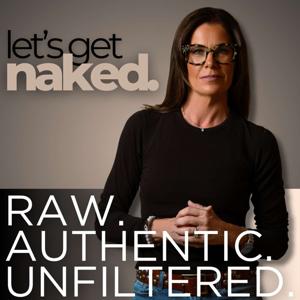

In this mini-sode, Anne and Cameron break down the “Insta-Trigger Reflex”—that split-second emotional hijack when a stranger’s curated post flips your mood into jealousy, irritation, insecurity, or a full spiral. The key insight: most reactions aren’t about what you saw, they’re about what it poked—unhealed comparison wounds, unmet desires, and ego bruises that quietly hand your self-worth to someone else’s highlight reel.
They reframe social media as a trigger mirror you can use as emotional intelligence homework: notice the reaction, name the wound, and turn it into self-work instead of self-sabotage. Practical takeaways include curating your feed with intention, unfollowing without guilt, avoiding doom-scrolling, and recognizing how algorithms amplify outrage and misinformation—especially when clips are taken out of context and spread without responsibility. The episode ultimately lands on emotional sovereignty: your mood is not negotiable based on someone else’s content, and you always have the power to take your energy—and your day—back.
This podcast dives deep into real, raw topics—think vulnerability, triggers, and childhood trauma. But just so we're super clear: I’m not a licensed therapist, mental health professional, or anything close. I’m just a human sharing stories, lessons, and life hacks based on personal experience and a whole lot of curiosity.
So, while you might find some golden nuggets here, this is not therapy and should never replace professional mental health care. If you or someone you love is going through it, please—seriously—reach out to a licensed therapist or healthcare provider. You deserve the real deal.
Need Help Now?
Here are a few amazing resources:
· 988 Suicide & Crisis Lifeline (U.S.): Call or text 988
· NAMI HelpLine: 1-800-950-NAMI (6264) or nami.org/help
· Therapy Directory: psychologytoday.com
· Crisis Text Line: Text HOME to 741741
The opinions expressed on this show are ours and ours alone—no official organizations are responsible for what we say (or how much we overshare).
This show is proudly produced at PS Studios — learn more https://www.psstudios.co
 View all episodes
 By Anne Karber
5
2525 ratings
In this mini-sode, Anne and Cameron break down the “Insta-Trigger Reflex”—that split-second emotional hijack when a stranger’s curated post flips your mood into jealousy, irritation, insecurity, or a full spiral. The key insight: most reactions aren’t about what you saw, they’re about what it poked—unhealed comparison wounds, unmet desires, and ego bruises that quietly hand your self-worth to someone else’s highlight reel.
They reframe social media as a trigger mirror you can use as emotional intelligence homework: notice the reaction, name the wound, and turn it into self-work instead of self-sabotage. Practical takeaways include curating your feed with intention, unfollowing without guilt, avoiding doom-scrolling, and recognizing how algorithms amplify outrage and misinformation—especially when clips are taken out of context and spread without responsibility. The episode ultimately lands on emotional sovereignty: your mood is not negotiable based on someone else’s content, and you always have the power to take your energy—and your day—back.
This podcast dives deep into real, raw topics—think vulnerability, triggers, and childhood trauma. But just so we're super clear: I’m not a licensed therapist, mental health professional, or anything close. I’m just a human sharing stories, lessons, and life hacks based on personal experience and a whole lot of curiosity.
So, while you might find some golden nuggets here, this is not therapy and should never replace professional mental health care. If you or someone you love is going through it, please—seriously—reach out to a licensed therapist or healthcare provider. You deserve the real deal.
Need Help Now?
Here are a few amazing resources:
· 988 Suicide & Crisis Lifeline (U.S.): Call or text 988
· NAMI HelpLine: 1-800-950-NAMI (6264) or nami.org/help
· Therapy Directory: psychologytoday.com
· Crisis Text Line: Text HOME to 741741
The opinions expressed on this show are ours and ours alone—no official organizations are responsible for what we say (or how much we overshare).
This show is proudly produced at PS Studios — learn more https://www.psstudios.co
228,294 Listeners

43,536 Listeners

8,655 Listeners

370,116 Listeners

165,110 Listeners

27,806 Listeners

3,849 Listeners

19,650 Listeners

5,087 Listeners

16,379 Listeners

148 Listeners
215 Listeners