
Sign up to save your podcasts
Or

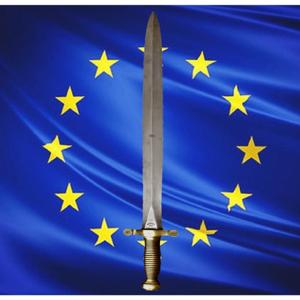


The Anchorage summit, orchestrated by Russia, aimed to « use the American president as an accomplice, consciously or not, to force Ukraine into territorial concessions and make it capitulate. » This event is characterized as « self-inflicted humiliation » for Washington, lacking any reciprocal concessions from Russia.
Françoise Thom’s analysis provides a critical framework, asserting that « The Trump administration is in the process of saving the Putin regime, which it needs to extort Europe. » She argues that Russia’s actions are part of a consistent historical strategy involving a « foreign accomplice » and the « salami tactic, » designed to incrementally undermine victims while appearing to seek compromise. Thom contends that the proposed « deal » with the US is a « lure » intended to exploit Trump’s transactional approach to foreign policy, ultimately aimed at weakening Europe.
Crucially, Françoise Thom highlights that « Europeans are in a position of strength » due to Russia’s economic dependence on Europe. She advocates for a resolute European strategy involving clear dissociation from any US « betrayal » of Ukraine, direct security guarantees for Kyiv, and the use of economic leverage to force Russian withdrawal from occupied territories. The overarching theme is a call for European strategic lucidity and proactive engagement to counter Russian aggression, which is framed as a « metaphysical threat.
L’objectif de Poutine est clair : utiliser le président américain comme complice, conscient ou pas, pour forcer l’Ukraine à des concessions territoriales et la faire capituler. La rencontre, qui devait être celle de la « poursuite de la paix » à Anchorage a tourné à l’« humiliation auto-infligée » pour Washington, sans la moindre contrepartie. Fasciné par l’ancien officier du KGB, Trump lui a offert une légitimation spectaculaire sur le sol américain. Si le pire, un « Yalta de l’Arctique », semble pour l’heure avoir été évité, les dirigeants européens sont attendus à la Maison-Blanche ce soir pour tenter de raisonner un président qui a conseillé à l’Ukraine d’« accepter le deal » en convoquant Zelensky dans le bureau ovale, seul, pour mieux le faire fléchir, qui retrouvera ensuite plusieurs dirigeants venus le soutenir. Ce dont les Européens devraient se souvenir, c’est qu’ils sont position de force, comme l’a rappelé l’historienne Françoise Thom dans une chronique publiée dans le Monde, car la Russie dépend économiquement essentiellement de l’Europe. Encore faudrait-il, qu’ensemble, ces dirigeants se révèlent à la hauteur de la tâche, contrairement à leurs ainés à Munich. Ce serait un excellent départ pour cette « nouvelle diplomatie » à laquelle hier Emmanuel Macron a fait référence. Après les belles paroles, l’heure est venue de passer à l’acte en soutenant l’Ukraine et en déjouant un piège aussi grossier qu’abject de la part d’un pays que l’on veut croire encore notre allié
The August 15, 2025, summit in Anchorage, Alaska, between Presidents Donald Trump and Vladimir Putin has emerged in American media analysis as a case study in political theater. Designed to produce a major diplomatic breakthrough, it primarily generated symbolic and narrative outcomes while failing to achieve its main stated objective: ending the war in Ukraine. US press coverage, across the ideological spectrum, has largely defined this summit not by what was agreed upon, but by what was missing. The narrative crystallized around the stark contrast between a grandiose, high-stakes staging and the glaring absence of a concrete agreement.
This analysis aims to deconstruct this paradox, demonstrating that for President Putin, the symbolism was the substance, whereas for President Trump, the lack of substance necessitated a post-hoc reframing of the summit's objective and success. The following analysis will examine in detail how American media interpreted the inconclusive outcome of the talks, the near-unanimous perception of a strategic victory for the Kremlin, the rhetoric and actions of the American president, and the widely reported anxiety of allies.
Der Gipfel vom 15. August 2025 in Anchorage, Alaska, zwischen den Präsidenten Donald Trump und Wladimir Putin hat sich in der amerikanischen Medienanalyse als Fallstudie für politisches Theater erwiesen. Konzipiert, um einen großen diplomatischen Durchbruch zu erzielen, brachte er hauptsächlich symbolische und narrative Ergebnisse hervor, während er sein erklärtes Hauptziel verfehlte: die Beendigung des Krieges in der Ukraine. Die Berichterstattung der US-Presse über das gesamte ideologische Spektrum hinweg hat diesen Gipfel weitgehend nicht durch das, was vereinbart wurde, sondern durch das, was fehlte, definiert. Die Erzählung kristallisierte sich um den starken Kontrast zwischen einer grandiosen, hochriskanten Inszenierung und dem eklatanten Fehlen einer konkreten Vereinbarung.
Diese Analyse zielt darauf ab, dieses Paradoxon zu dekonstruieren und zu zeigen, dass für Präsident Putin die Symbolik die Substanz war, während für Präsident Trump der Mangel an Substanz eine nachträgliche Neuausrichtung des Ziels und des Erfolgs des Gipfels erforderlich machte. Die folgende Analyse wird detailliert untersuchen, wie die amerikanischen Medien den ergebnislosen Ausgang der Gespräche interpretierten, die nahezu einstimmige Wahrnehmung eines strategischen Sieges für den Kreml, die Rhetorik und die Handlungen des amerikanischen Präsidenten sowie die weithin berichtete Angst der Verbündeten.
The August 15, 2025, summit in Anchorage, Alaska, between Presidents Donald Trump and Vladimir Putin, is widely viewed by American and European media as a "case study in political theater" that produced "symbolic and narrative results" rather than concrete diplomatic breakthroughs. Despite high expectations for a major diplomatic breakthrough, particularly an end to the war in Ukraine, the summit failed to yield any substantive agreement, including a ceasefire. The media consensus is that the summit represented a significant strategic victory for Putin, who effectively leveraged the event to break his diplomatic isolation and project power, while Trump, unable to secure his stated objective, resorted to a post-summit narrative aimed at preserving his image as a "dealmaker." The underlying theme is the power of optics and divergent strategic objectives in modern diplomacy. Dominance of Perception: The "overwhelming consensus" is that the Anchorage summit was a "major geopolitical event whose main currency was perception, not policy." It was a "spectacle that changed little on the ground in Ukraine, but significantly altered the diplomatic atmosphere."
Asymmetrical Outcomes: Putin achieved a "major strategic victory simply by attending and being celebrated," successfully using the event to "break his isolation and project his power." Trump, failing to secure a tangible agreement, "had to settle for salvaging a political victory by praising the 'warm' atmosphere of the meeting and shifting the burden of peace onto others."
Legacy of Staging: The summit will be remembered not for any agreement but for its "saisissante clarté" in demonstrating "the power of staging in modern diplomacy and the divergent strategic objectives of its two main protagonists."
Future Concerns: The source concludes with a speculative concern that Trump may attempt to force Zelensky into territorial concessions in Washington to "erase this disaster" and "disguise Donald Trump's humiliation in Anchorage," potentially leading "Europeans to endorse Ukraine's capitulation." This is framed as a "new crude trap" for Zelensky.
Le sommet du 15 août 2025 à Anchorage, en Alaska, entre les présidents Donald Trump et Vladimir Poutine, restera un cas d’espèce dans les annales diplomatiques, du jamais vu. « Un cas d’école de théâtre politique » … Conçu pour produire une percée diplomatique majeure, il a surtout généré des résultats symboliques et narratifs, tout en échouant à atteindre son objectif principal déclaré : mettre fin à la guerre en Ukraine. La presse américaine, quasi unanime sur l’ensemble du spectre idéologique, a largement défini ce sommet non pas par ce qui y a été convenu, mais par ce qui a manqué. Le récit s’est cristallisé autour du contraste saisissant entre une mise en scène grandiose, aux enjeux élevés, et l’absence flagrante d’un accord concret. Pour le président Poutine, le symbolisme était la substance, tandis que pour le président Trump, l’absence de substance a nécessité un recadrage a posteriori de l’objectif et du succès du sommet. Voyons comment les médias américains ont interprété l’issue non concluante des pourparlers, la perception quasi unanime d’une victoire stratégique pour le Kremlin, la rhétorique et les actions du président américain, ainsi que l’anxiété des alliés, largement relayée.
Тодд Левенталь має 25-річний досвід боротьби з дезінформацією, конспірологічними теоріями та неправдивою інформацією з Росії, Радянського Союзу, Іраку та інших країн, переважно в Агентстві інформації США та Державному департаменті США. Він був єдиним або головним урядовим чиновником США, відповідальним за боротьбу з дезінформацією та недостовірною інформацією в 1989-1996, 2002-2010 та 2015 роках. Тодд аналізує історичне вживання таких термінів, як «корисний ідіот» і «попутник», у контексті радянських і російських операцій впливу. Він наголошує на нагальній потребі ретельного і скрупульозного розмежування між фактичними агентами, симпатиками, корисними ідіотами та попутниками для збереження довіри до зусиль з протидії дезінформації. У статті детально описано, як радянська розвідка використовувала некомуністичних симпатиків для посилення своєї пропаганди та дезінформації, наводячи конкретні історичні приклади, такі як справа Джима Гаррісона та репортажі Волтера Дюранті. У ній також застерігається від неточного та політично мотивованого позначення осіб як «агентів» або «корисних ідіотів» лише за те, що вони дотримуються поглядів, які збігаються з поглядами Москви.
Принципи, обговорені в цій статті, залишаються дуже актуальними для розуміння сучасних операцій іноземного впливу. Важливо розрізняти тих, кого активно вербують і контролюють іноземні супротивники (агенти), та тих, хто з різних причин (наївність, спільна ідеологія, щире переконання або навіть опортунізм) підсилюють або підтримують іноземні наративи. Неправильне позначення осіб може підірвати законні зусилля з протидії дезінформації, зробивши загальний аналіз політично упередженим або неточним, що знизить довіру громадськості та ефективність заходів. Ця стаття слугує нагадуванням про необхідність надавати пріоритет ретельним дослідженням і точній термінології в складному світі інформаційної війни.
Todd Leventhal, Experte für Desinformationsbekämpfung, konzentriert sich hier auf die Konzepte der „nützlichen Idioten” und „Mitläufer”. Es handelt sich dabei um Personen, die bewusst oder unbewusst manipuliert werden, um pro-sowjetische oder pro-russische Narrative zu verbreiten, oft durch die Weitergabe von Verschwörungstheorien. Er unterscheidet sorgfältig zwischen verschie-denen Ebenen er Sympathie und Zusammenarbeit und betont, wie wichtig es ist, genaue Unter-scheidungen zu treffen, um Desinformation wirksam zu bekämpfen. Einige historische Beispiele, wie der Fall Jim Garrison und die Berichterstattung von Walter Duranty über die Hungersnot in der Ukraine, veranschaulichen die Auswirkungen dieser Beeinflussungstechniken.
Todd Leventhal warnt vor einer übermäßigen Vereinfachung der Motive von Personen und plädiert für eine strenge und faire Analyse ausländischer Einflussnahme
Todd Leventhal has 25 years of experience combating disinformation, conspiracy theories, and false information from Russia, the Soviet Union, Iraq, and other countries, primarily for the U.S. Information Agency and the U.S. Department of State. He was the sole or primary U.S. government official responsible for combating disinformation and misinformation from 1989-1996, 2002-2010, and 2015. Todd examines the historical use of terms like "useful idiot" and "fellow traveler" in the context of Soviet and Russian influence operations. It emphasizes the crucial need for careful and scrupulous distinctions between actual agents, sympathizers, useful idiots, and fellow travelers to maintain credibility in counter-disinformation efforts. The article details how Soviet intelligence leveraged non-communist sympathizers to amplify their propaganda and disinformation, citing specific historical examples such as the Jim Garrison case and the reporting of Walter Duranty. It also cautions against the imprecise and politically motivated labeling of individuals as "agents" or "useful idiots" simply for holding views that align with Moscow's.
The principles discussed in this paper remain highly relevant for understanding contemporary foreign influence operations. The distinction between those actively recruited and controlled by foreign adversaries (agents) versus those who, for various reasons (naiveté, shared ideology, genuine conviction, or even opportunism), amplify or align with foreign narratives is critical. Mislabeling individuals can undermine legitimate efforts to counter disinformation by making the overall analysis appear politically biased or inaccurate, thus reducing public trust and effectiveness. This article serves as a reminder to prioritize thorough research and precise terminology in the complex landscape of information warfare.
From the publisher's feed
43 Listeners