
Sign up to save your podcasts
Or

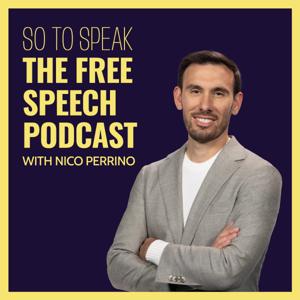

We break down the legal case against James Comey over an alleged "true threat" and how far the government can go in prosecuting speech. Plus, we examine renewed FCC pressure on ABC and Jimmy Kimmel.
Timestamps:
00:00 Intro
00:57 Does the DOJ have a viable case against James Comey?
04:51 "True threats" and Comey's case
06:36 Threats against U.S. presidents and Watts v. United States
09:55 Was it a mistake for Comey to take down the "8647" seashell image?
11:18 Can the case be dismissed before it goes to trial?
12:38 Can Comey's case be considered a selective prosecution?
13:23 Is the process itself a punishment?
15:29 Could prosecutors face consequences for bringing this case?
18:07 Examples of true threats
20:35 "True threat" versus "incitement to imminent lawless action"
22:53 Is it still a "true threat" if charges come a year later?
24:32 Can Comey recover his legal fees?
25:34 Do threats become more real in the wake of other active threats?
26:32 Does the First Amendment differ for speech about the president?
30:06 What's going on with the FCC and ABC?
34:20 What do NRA v. Vullo and the FCC's calls to fire Jimmy Kimmel have in common?
35:17 Why does broadcast licensing exist in the internet age?
36:51 Have past presidents historically influenced broadcast licensing?
38:33 Is the Fairness Doctrine still in effect?
40:30 What can ABC do if the FCC takes away their licenses?
42:40 Will ABC fight back?
46:01 Has broadcast media regulation always been a frustration for 1A advocates?
49:20 Humphrey's Executor & content-based regulation
50:58 Is the FCC independent from the executive branch?
51:45 The past 18 months of FCC action
52:15 Outro
Joining us:
Conor Fitzpatrick, supervising senior attorney
Aaron Terr, director of public advocacy
Bob Corn-Revere, chief counsel
 View all episodes
 By FIRE

4.6
198198 ratings
We break down the legal case against James Comey over an alleged "true threat" and how far the government can go in prosecuting speech. Plus, we examine renewed FCC pressure on ABC and Jimmy Kimmel.
Timestamps:
00:00 Intro
00:57 Does the DOJ have a viable case against James Comey?
04:51 "True threats" and Comey's case
06:36 Threats against U.S. presidents and Watts v. United States
09:55 Was it a mistake for Comey to take down the "8647" seashell image?
11:18 Can the case be dismissed before it goes to trial?
12:38 Can Comey's case be considered a selective prosecution?
13:23 Is the process itself a punishment?
15:29 Could prosecutors face consequences for bringing this case?
18:07 Examples of true threats
20:35 "True threat" versus "incitement to imminent lawless action"
22:53 Is it still a "true threat" if charges come a year later?
24:32 Can Comey recover his legal fees?
25:34 Do threats become more real in the wake of other active threats?
26:32 Does the First Amendment differ for speech about the president?
30:06 What's going on with the FCC and ABC?
34:20 What do NRA v. Vullo and the FCC's calls to fire Jimmy Kimmel have in common?
35:17 Why does broadcast licensing exist in the internet age?
36:51 Have past presidents historically influenced broadcast licensing?
38:33 Is the Fairness Doctrine still in effect?
40:30 What can ABC do if the FCC takes away their licenses?
42:40 Will ABC fight back?
46:01 Has broadcast media regulation always been a frustration for 1A advocates?
49:20 Humphrey's Executor & content-based regulation
50:58 Is the FCC independent from the executive branch?
51:45 The past 18 months of FCC action
52:15 Outro
Joining us:
Conor Fitzpatrick, supervising senior attorney
Aaron Terr, director of public advocacy
Bob Corn-Revere, chief counsel
2,267 Listeners
1,513 Listeners
2,903 Listeners
634 Listeners
907 Listeners
796 Listeners
379 Listeners
739 Listeners
617 Listeners
3,946 Listeners
3,833 Listeners
805 Listeners
8,447 Listeners
115 Listeners
1,121 Listeners