
Sign up to save your podcasts
Or

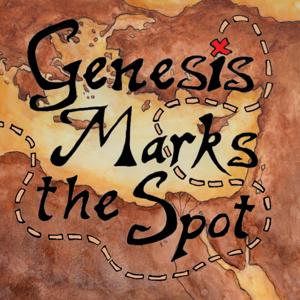

Oral tradition can function as real evidence—sometimes. But it’s not automatically reliable, and it isn’t always “just a telephone game,” either. In this episode, we lay down guardrails for how to evaluate worldwide flood traditions critically and fairly—without sliding into cynicism, speculation, or wishful thinking.
We build an “evaluation toolkit” for weighing flood stories as evidence: provenance (who recorded it, when, and from whom), transmission setting (ritual/public context, custodians, specialists), genre, and the difference between shared motifs (often “cheap” and common) versus shared structure (more “costly” and evidentially weighty).
Along the way, we look at how stories predictably reshape over time: compression/expansion, harmonization, normalization (turning weird into familiar), moralization, politics/legitimization, and “prestige borrowing”—plus the complications of missionary/colonial recording and finally, we ground this in three lanes of observable evidence—psychology, ethnography, and ancient textual witnesses—so we can ask better questions as we move into global flood traditions in upcoming episodes.
On This Rock Biblical Theology Community: https://on-this-rock.com/
Website: genesismarksthespot.com
Patreon: https://www.patreon.com/GenesisMarkstheSpot
Music credit: "Marble Machine" by Wintergatan
Link to Wintergatan’s website: https://wintergatan.net/
Link to the original Marble Machine video by Wintergatan: https://www.youtube.com/watch?v=IvUU8joBb1Q&ab_channel=Wintergatan
 View all episodes
 By Carey Griffel
5
3838 ratings
Oral tradition can function as real evidence—sometimes. But it’s not automatically reliable, and it isn’t always “just a telephone game,” either. In this episode, we lay down guardrails for how to evaluate worldwide flood traditions critically and fairly—without sliding into cynicism, speculation, or wishful thinking.
We build an “evaluation toolkit” for weighing flood stories as evidence: provenance (who recorded it, when, and from whom), transmission setting (ritual/public context, custodians, specialists), genre, and the difference between shared motifs (often “cheap” and common) versus shared structure (more “costly” and evidentially weighty).
Along the way, we look at how stories predictably reshape over time: compression/expansion, harmonization, normalization (turning weird into familiar), moralization, politics/legitimization, and “prestige borrowing”—plus the complications of missionary/colonial recording and finally, we ground this in three lanes of observable evidence—psychology, ethnography, and ancient textual witnesses—so we can ask better questions as we move into global flood traditions in upcoming episodes.
On This Rock Biblical Theology Community: https://on-this-rock.com/
Website: genesismarksthespot.com
Patreon: https://www.patreon.com/GenesisMarkstheSpot
Music credit: "Marble Machine" by Wintergatan
Link to Wintergatan’s website: https://wintergatan.net/
Link to the original Marble Machine video by Wintergatan: https://www.youtube.com/watch?v=IvUU8joBb1Q&ab_channel=Wintergatan

19,516 Listeners

4,794 Listeners
1,499 Listeners
572 Listeners

252 Listeners

5,220 Listeners
1,490 Listeners
700 Listeners
38 Listeners

129 Listeners
242 Listeners
192 Listeners
133 Listeners

26 Listeners
14 Listeners