
Sign up to save your podcasts
Or

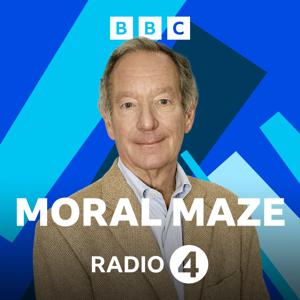

The government has announced a series of proposals to “strengthen free speech and academic freedom at universities in England”, with a “free speech champion” investigating potential infringements on campuses. The Education Secretary Gavin Williamson warned of a “chilling effect” where students and staff feel they cannot express themselves freely. Many believe these measures are a welcome legal intervention following claims of increasing numbers of individuals being silenced, no-platformed or sacked. Critics, however, say the threat to free speech on campuses is grossly exaggerated and the government is cynically stirring up a culture war to distract from its own failings in tackling Covid. Moreover, they claim these proposals actively undermine free speech because they are just another way of controlling what is 'acceptable' speech, the impact of which is to discipline those who are defending others from racism, sexism, homophobia and transphobia. Students have a right to physical safety and to expect not to be subjected to hatred, but some worry about a ‘concept creep’ in which the definition of hate speech has widened to include any opinions that go against the prevailing orthodoxy. Academics’ own experiences are mixed: some say they feel no pressure of censorship, others believe their colleagues are in denial about the regression of academic freedom. Universities have long been seen as places of intellectual danger, where people go to be shocked and changed. Is this idea in retreat? Or are universities still the vibrant and stimulating places they always were, with a generation of students who are merely less tolerant of intolerance? With Jonathan Haidt, Zamzam Ibrahim, Prof Eric Kaufmanm and Prof Dr Alison Scott-Baumann.
Producer: Dan Tierney
 View all episodes
 By BBC Radio 4

4.6
5151 ratings
The government has announced a series of proposals to “strengthen free speech and academic freedom at universities in England”, with a “free speech champion” investigating potential infringements on campuses. The Education Secretary Gavin Williamson warned of a “chilling effect” where students and staff feel they cannot express themselves freely. Many believe these measures are a welcome legal intervention following claims of increasing numbers of individuals being silenced, no-platformed or sacked. Critics, however, say the threat to free speech on campuses is grossly exaggerated and the government is cynically stirring up a culture war to distract from its own failings in tackling Covid. Moreover, they claim these proposals actively undermine free speech because they are just another way of controlling what is 'acceptable' speech, the impact of which is to discipline those who are defending others from racism, sexism, homophobia and transphobia. Students have a right to physical safety and to expect not to be subjected to hatred, but some worry about a ‘concept creep’ in which the definition of hate speech has widened to include any opinions that go against the prevailing orthodoxy. Academics’ own experiences are mixed: some say they feel no pressure of censorship, others believe their colleagues are in denial about the regression of academic freedom. Universities have long been seen as places of intellectual danger, where people go to be shocked and changed. Is this idea in retreat? Or are universities still the vibrant and stimulating places they always were, with a generation of students who are merely less tolerant of intolerance? With Jonathan Haidt, Zamzam Ibrahim, Prof Eric Kaufmanm and Prof Dr Alison Scott-Baumann.
Producer: Dan Tierney

7,913 Listeners
863 Listeners

1,067 Listeners
159 Listeners

5,576 Listeners

1,808 Listeners

1,729 Listeners

1,018 Listeners
2,113 Listeners

1,952 Listeners
32 Listeners
38 Listeners

428 Listeners
159 Listeners
43 Listeners
75 Listeners
108 Listeners
745 Listeners

3,245 Listeners
779 Listeners
1,010 Listeners
3,858 Listeners

1,314 Listeners
851 Listeners
48 Listeners