
Sign up to save your podcasts
Or

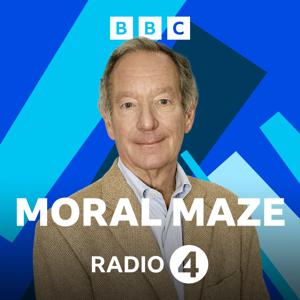

Years of soft-touch regulation and the universal adoption of smartphones have created a “perfect storm of addictive 24/7 gambling”, making “the lives of two million people miserable” – according to a House of Lords Select Committee report looking into the betting industry. Its 66 recommendations include a ban on “loot boxes” in video games, which can often be bought for real money and offer a randomised reward; many see this as a dangerous gateway to gambling for children. It wants to ease the industry out of sports sponsorship; half the Premier League football clubs are currently supported by betting companies. It wants new taxes on gambling with the money used to fund addiction clinics. What, if any, is the moral equivalence between problem gambling and other forms of addiction to recreational activities like drinking and smoking? If it’s a public health issue rather than a matter of individual free choice, how heavily should gambling be restricted? Perhaps, because gambling addiction can often have a wider social impact, hurting families and friends as well as the addicts themselves, it should be compared to drug abuse. If that’s reasonable, why not just treat gambling like any class A drug and make it illegal? Gambling enthusiasts and libertarians see it as a leisure activity which offers harmless fun to the vast majority of punters. They believe there is nothing intrinsically immoral about the industry, although most admit that betting companies do have a duty of care to vulnerable clients. Are problem gamblers the hapless victims of a heartless racket or does that rob them of moral agency and free them of personal responsibility? Is problem gambling a disease, a moral failing or just the downside of freedom? With Dr Henrietta Bowden-Jones, Brigid Simmonds, Christopher Snowdon and Matt Zarb-Cousin.
Producer: Dan Tierney.
 View all episodes
 By BBC Radio 4

4.6
5151 ratings
Years of soft-touch regulation and the universal adoption of smartphones have created a “perfect storm of addictive 24/7 gambling”, making “the lives of two million people miserable” – according to a House of Lords Select Committee report looking into the betting industry. Its 66 recommendations include a ban on “loot boxes” in video games, which can often be bought for real money and offer a randomised reward; many see this as a dangerous gateway to gambling for children. It wants to ease the industry out of sports sponsorship; half the Premier League football clubs are currently supported by betting companies. It wants new taxes on gambling with the money used to fund addiction clinics. What, if any, is the moral equivalence between problem gambling and other forms of addiction to recreational activities like drinking and smoking? If it’s a public health issue rather than a matter of individual free choice, how heavily should gambling be restricted? Perhaps, because gambling addiction can often have a wider social impact, hurting families and friends as well as the addicts themselves, it should be compared to drug abuse. If that’s reasonable, why not just treat gambling like any class A drug and make it illegal? Gambling enthusiasts and libertarians see it as a leisure activity which offers harmless fun to the vast majority of punters. They believe there is nothing intrinsically immoral about the industry, although most admit that betting companies do have a duty of care to vulnerable clients. Are problem gamblers the hapless victims of a heartless racket or does that rob them of moral agency and free them of personal responsibility? Is problem gambling a disease, a moral failing or just the downside of freedom? With Dr Henrietta Bowden-Jones, Brigid Simmonds, Christopher Snowdon and Matt Zarb-Cousin.
Producer: Dan Tierney.

7,913 Listeners

863 Listeners

1,067 Listeners

159 Listeners

5,576 Listeners

1,808 Listeners

1,729 Listeners

1,018 Listeners

2,113 Listeners

1,952 Listeners
32 Listeners
38 Listeners

428 Listeners
159 Listeners
43 Listeners
75 Listeners
108 Listeners
745 Listeners

3,245 Listeners

779 Listeners

1,010 Listeners
3,858 Listeners

1,314 Listeners
851 Listeners
48 Listeners