
Sign up to save your podcasts
Or

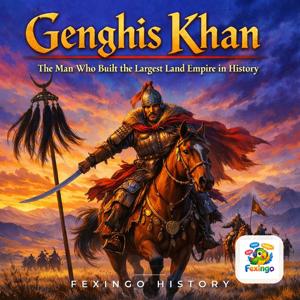


In 1221, Genghis Khan pursued the Khwarezmian prince Jalal al-Din Mingburnu to the banks of the Indus River in what is now Pakistan. This episode tells the story of that desperate battle — a rare instance of the Mongols facing a determined last stand by a hostile army. We explore Jalal al-Din's dramatic escape by leaping his horse off a cliff into the river, the aftermath that saw his family captured, and the strategic consequences for the Mongol advance into India. Drawing on accounts from Juvayni, the Secret History of the Mongols, and later Persian historians, we examine how this single engagement shaped the western frontier of the Mongol Empire and why Genghis chose not to pursue further into the subcontinent.
#GenghisKhan #JalalAlDin #BattleOfTheIndus #MongolEmpire #KhwarezmianEmpire #1221 #IndusRiver #MongolConquests #Juvayni #SecretHistoryOfTheMongols #MongolArmy #CentralAsia #SouthAsia #History #FexingoHistory #MilitaryHistory #SteppeWarfare #MongolInvasion
Keep every episode free: buymeacoffee.com/fexingo
In 1226, Genghis Khan launched his final military campaign against the Tangut kingdom of Xi Xia (Western Xia), a wealthy Buddhist state that had defied his demands for tribute. The campaign would prove unexpectedly difficult, as the Mongols faced fortified cities, scorched-earth tactics, and a grueling siege of the capital, Yinchuan. But the most dramatic twist came at the end: Genghis Khan died during or just after the campaign, under circumstances that remain shrouded in legend. This episode explores the historical evidence for his death — including the Secret History of the Mongols, Rashid al-Din's Jami' al-tawarikh, and Marco Polo's account — and weighs the competing theories: a hunting accident, a battle wound, or even a vengeful Tangut princess. We also examine the brutal aftermath, when the Mongols annihilated the Tangut civilization — destroying their script, cities, and almost all records — as well as the succession crisis that followed Genghis's death and the kurultai that chose Ögedei as his heir.
#GenghisKhan #XiXia #WesternXia #Tangut #MongolEmpire #Yinchuan #SecretHistoryoftheMongols #RashidalDin #JamiAltawarikh #MarcoPolo #Kurultai #Ögedei #CentralAsia #SteppeHistory #History #FexingoHistory #DeathOfGenghis #SiegeWarfare
Keep every episode free: buymeacoffee.com/fexingo
In 1221, the Mongol army under Genghis Khan's sons Jochi, Chagatai, and Ögedei laid siege to Urgench, the wealthy capital of the Khwarezmian Empire. The campaign was marked by intense urban combat, engineering ingenuity, and a bitter feud between Jochi and Chagatai over the city's fate. After months of fighting, the Mongols breached the walls using mud-brick rubble and diverted the Amu Darya river to flood the city. The sack was one of the deadliest in history, with estimates of over a million killed. This episode dives into the siege's tactics, the political tensions among Genghis's sons, and the long-term consequences for Central Asia. We also explore the role of engineers, the use of siege towers and flaming arrows, and how the city's destruction reshaped the region's trade and demographics. Juvayni's chronicles and archaeological evidence inform our account of this pivotal but often overlooked battle.
#Urgench #KhwarezmianEmpire #MongolSiege #GenghisKhan #Jochi #Chagatai #Ögedei #AmuDarya #MongolTactics #SiegeWarfare #CentralAsia #1221 #Juvayni #MongolEmpire #History #FexingoHistory #MedievalWarfare #MilitaryHistory
Keep every episode free: buymeacoffee.com/fexingo
In 1221, as Genghis Khan's armies swept through the Khwarezmian Empire, a Mongol prince — his grandson Mutukan — was killed by an arrow at the fortress of Bamiyan. The Mongols' response was absolute: the city was destroyed so completely that it was said no living thing remained. But the real story is what came after. Mutukan's father, Chagatai, was given the news in careful stages over three days, following a steppe custom designed to manage grief. Genghis himself oversaw the Siege of Bamiyan — the only siege he personally commanded. The episode explores how the Mongols processed loss, how Mutukan's death nearly fractured the succession, and how the memory of that day shaped Mongol warfare for decades. We look at the sources: the Secret History of the Mongols, Juvayni's history, and the archaeological evidence from the Bamiyan Valley. We also consider how this event connects to later Mongol campaigns — including the destruction of Nishapur — and what it reveals about Genghis Khan's leadership during his most vulnerable moment.
#GenghisKhan #Bamiyan #Mutukan #Chagatai #MongolEmpire #SiegeOfBamiyan #SecretHistoryOfTheMongols #Juvayni #KhwarezmianEmpire #SteppeWarfare #MongolGrief #CentralAsia #1221 #History #FexingoHistory #AfghanistanHistory #MongolConquests #WorldHistory
Keep every episode free: buymeacoffee.com/fexingo
While the Khwarezmian campaign gets most of the attention, Genghis Khan spent more than two decades fighting the Jin Dynasty of northern China — a war that shaped Mongol military tactics, siegecraft, and governance. This episode follows the campaign from the 1211 uprising of the Kereyid and Mongol allies against Jin rule to the fall of Zhongdu (modern Beijing) in 1215. We explore the key battles like Yehuling, where 90,000 Jin soldiers were annihilated, the role of defectors like the Khitan general Shimo Minggan, and the controversial siege of Zhongdu where Genghis accepted a massive tribute only to resume the war later. We also discuss the devastating impact on the Jin heartland, the use of Chinese siege engineers, and how this war indirectly saved Europe by tying down Mongol forces in the east. Named figures include Genghis Khan, Jin Emperor Wanyan Yongji, Shimo Minggan, and the Mongol general Muqali. The episode also touches on the Khitan rebellion, the use of gunpowder weapons, and the long-term consequences for the Yuan Dynasty.
#GenghisKhan #JinDynasty #MongolConquest #Zhongdu #Yehuling #ShimoMinggan #WanyanYongji #Muqali #Khitan #Siegecraft #ChineseHistory #SteppeWarfare #YuanDynasty #MongolEmpire #History #FexingoHistory #CentralAsia #MedievalWarfare
Keep every episode free: buymeacoffee.com/fexingo
When Genghis Khan united the Mongol tribes and launched his conquests, he didn't just build an empire—he reshaped global trade. This episode explores how the Mongol Empire revived and transformed the Silk Road, connecting China, Central Asia, Persia, and Europe like never before. We discuss the role of the ortogh system of merchant partnerships, the Yam relay stations that made long-distance travel safer and faster, and how the Mongols' religious tolerance and legal code (the Yassa) encouraged trade. Key figures include the Uyghur merchant Mar Yaballaha, the Venetian traveler Marco Polo, and the Persian historian Juvayni. We also look at the spread of paper money, gunpowder, and the bubonic plague along Mongol trade routes. For listeners who know about the conquests, this episode reveals the economic engine that sustained the largest land empire in history and its lasting impact on globalization.
#GenghisKhan #SilkRoad #MongolEmpire #Ortogh #Yam #MarcoPolo #Juvayni #MarYaballaha #Trade #Globalization #CentralAsia #Yassa #PaperMoney #Gunpowder #Plague #FexingoHistory #History #Podcast
Keep every episode free: buymeacoffee.com/fexingo
When Genghis Khan's son Ögedei died in 1241, the Mongol Empire faced a crisis no one had anticipated: who would rule while the kurultai debated the succession? The answer was Töregene Khatun, Ögedei's widow and a woman of immense political skill — and immense ruthlessness. For nearly five years, from 1241 to 1246, she ruled as regent, dismantling her husband's administration, purging his Confucian advisors, and replacing them with her own allies, most notoriously the Persian merchant Abd al-Rahman. She bribed princes, manipulated the kurultai, and delayed the election of a new khagan until she could secure the throne for her son Güyük. This episode explores Töregene's rise from a Merkit captive married to Ögedei, her brutal power struggles with officials like Yelü Chucai and Mahmud Yalavach, and the chaos that nearly tore the empire apart — until her own daughter-in-law, Sorqaqtani Beki, outmaneuvered her. Töregene's regency reveals the fragile, human machinery behind the Mongol conquest machine: a story of ambition, corruption, and the women who held — and nearly broke — the empire.
#TöregeneKhatun #MongolEmpire #ÖgedeiKhan #GüyükKhan #MongolRegency #YelüChucai #MahmudYalavach #AbdAlRahman #SorqaqtaniBeki #Kurultai #Karakorum #Merkit #MongolWomen #SteppePolitics #FexingoHistory #History #CentralAsia #13thCentury
Keep every episode free: buymeacoffee.com/fexingo
When Genghis Khan conquered Central Asia, he didn't just send his sons to govern — he sent his daughters. This episode explores how the Mongol Empire was held together by a network of powerful princesses, from Al-Altun's diplomatic marriage to the Uyghur ruler Barchuk, to the formidable Sorqaqtani Beki who outmaneuvered the empire's regents. We delve into the Secret History of the Mongols and Persian chronicles to uncover how these women wielded real political power, commanded armies, and kept the vast empire stable long after the Great Khan's death. Discover how Genghis's daughters turned marriage alliances into governing tools, managed trade routes, and even influenced the selection of future khans. The episode also touches on the controversial fate of Al-Altun, who may have been executed by her own brother Ögedei. A surprising look at the women who were the empire's hidden backbone.
#GenghisKhan #MongolEmpire #AlAltun #SorqaqtaniBeki #SecretHistoryoftheMongols #Uyghur #Barchuk #Ögedei #MongolPrincesses #SteppeQueens #CentralAsia #Khatun #Yassa #Juvayni #RashidalDin #MongolHistory #History #FexingoHistory
Keep every episode free: buymeacoffee.com/fexingo
In episode 137 of Genghis Khan: The Man Who Built the Largest Land Empire in History, hosts Lucas and Luna explore the early bond between Temüjin and his blood brother Jamukha—a friendship that defined the rise of the Mongol Empire. They examine the spiritual and political weight of the anda oath sworn in the Khentii Mountains, the 1181 split at Qaraqorum that turned allies into rivals, and how Jamukha's death under Yassa law sealed Temüjin's path to becoming Genghis Khan. Drawing from the Secret History of the Mongols and Rashid al-Din's Jami' al-tawarikh, the episode uncovers the personal cost of empire-building and the inner conflicts of the steppe. This episode complements earlier deep dives on Börte, Yelü Chucai, and Mongol army organization by focusing on a single relationship that shaped Mongol politics.
#GenghisKhan #Jamukha #SecretHistoryoftheMongols #MongolEmpire #SteppePolitics #Anda #BloodBrother #KhentiiMountains #Yassa #MongolHistory #Temüjin #CentralAsia #EmpireBuilding #RashidalDin #JamiatTawarikh #MongolTraditions #History #FexingoHistory
Keep every episode free: buymeacoffee.com/fexingo
Before Genghis Khan united the Mongol steppe, he had a blood brother named Jamukha. This episode explores the extraordinary bond and bitter rivalry between these two men, drawing on the Secret History of the Mongols to trace their journey from sworn friends to mortal enemies. Lucas and Luna discuss the significance of the Mongol tradition of anda — blood brotherhood — and how Jamukha's challenge shaped Genghis's vision of leadership. They examine key battles like Dalan Balzhut and the dramatic flight of the Jurkin tribe, as well as Jamukha's role in the crushing defeat at the Battle of the Thirteen Wings. The episode also delves into Jamukha's capture, his haunting final request for a death without bloodshed, and the elusive legend of his burial site in the Khentii Mountains. A story of loyalty, betrayal, and the harsh choices that forged an empire.
#GenghisKhan #Jamukha #MongolEmpire #SecretHistoryoftheMongols #Anda #BloodBrotherhood #DalanBalzhut #BattleoftheThirteenWings #Temujin #Kereyid #Toghrul #Jurkin #KhentiiMountains #MongolSteppe #History #FexingoHistory #CentralAsia #EpicRivalry
Keep every episode free: buymeacoffee.com/fexingo
From the publisher's feed