
Sign up to save your podcasts
Or

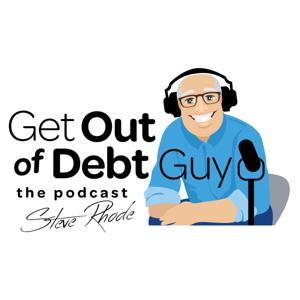


Steve Rhode, the old Get Out of Debt Guy, and Damon Day, the new Get Out of Debt Guy, tackle a big uncomfortable truth: your FICO score is not your financial life. In this episode, Steve and Damon talk about rising fuel prices, shrinking credit limits, Jamie Dimon’s warning about a possible credit-led recession, and why clinging to a “good” credit score can sometimes keep people broke.
They dig into why banks can cut your credit lines even if you’ve never missed a payment, why available credit is not the same thing as emergency savings, and why the right debt solution may be the one that protects your cash, not your score. They also cover real-world debt settlement numbers, lawsuits from debt buyers, zombie second mortgages, and the hidden cash advance trap when using Venmo with a credit card.
The message is simple: don’t fear the FICO. Understand it. Use it when it helps. But don’t sacrifice your future, your savings, or your retirement just to keep a bank happy.
For more debt help, free tools, and consumer advice, visit https://getoutofdebt.org
You can reach Damon Day for a free consultation at https://damonday.com
In this episode of the Get Out of Debt Guy Show, Steve Rhode, the old or original Get Out of Debt Guy, and Damon Day, the new Get Out of Debt Guy, cut through the noise and talk about what rising prices, shrinking credit access, and a shaky economy could mean for people already living on borrowed money.
They cover why relying on available credit is dangerous, how banks can reduce credit lines with little warning, why HELOCs are not a guaranteed safety net, and what recent warnings from major companies may be signaling about debt, inflation, housing, and consumer pressure. They also dig into the ugly truth about timeshares, timeshare exit companies, debt settlement, and why waiting too long to act can make a bad situation much worse.
This episode is a blunt, funny, real-world conversation about credit cards, emergency funds, cash flow problems, rising household costs, and how to protect yourself before your financial options disappear.
Get more help, articles, and tools at https://getoutofdebt.org
Talk to Damon directly at https://damonday.com
Spring cleaning is not just for closets. In this episode of the Get Out of Debt Guy podcast, Steve Rhode, the original Get Out of Debt Guy, and Damon Day, the new Get Out of Debt Guy, dig into what it really means to clean up your financial life when gas prices are rising, debt is getting heavier, and cash flow is tighter than ever.
They talk about how higher gas prices squeeze already stressed budgets, why carrying debt makes every financial problem worse, and how people can take back control by tracking spending, reviewing credit reports, and making decisions based on math instead of fear or shame. The conversation also tackles bankruptcy myths, why waiting too long can make debt problems more expensive, and how to think clearly about your options before panic sets in.
You’ll also hear practical advice about credit reports, debt collectors, scams, budgeting apps, government benefits, and why protecting your checking account matters more than most people realize. This is a straight-talking episode about debt relief, personal finance, bankruptcy, credit, budgeting, and financial survival in an economy that keeps getting more expensive.
For more help, visit https://getoutofdebt.org and if you want to speak with Damon directly, reach him at https://damonday.com.
Dave Ramsey’s advice can help—until real life shows up.
In this episode of The Get Out of Debt Guy, Steve Rhode (the old, original Get Out of Debt Guy) and Damon Day (the new Get Out of Debt Guy) scrap the planned outline and tackle what people actually struggle with: why Dave Ramsey’s “beans and rice” approach works for some…and flat-out fails for others.
They break down:
What Dave Ramsey gets right (debt is serious, emergency funds matter, snowball wins can work)
What he misses (depression, ADHD, stress, decision paralysis, and the reality that not everyone can grind for 5 years)
Why automation beats budgeting for a lot of people (systems > willpower)
How to pay off debt when you feel like you have no extra money
When it makes sense to stop paying certain debts to protect cash and build a plan (including bankruptcy or settlement prep)
The hidden “gotcha” of credit union cross-collateralization (yes—an “unsecured” credit union debt can put your car or even your house at risk)
They also touch on the social side nobody talks about: the embarrassment of being broke, avoiding friends, and how isolation fuels the debt-depression loop.
Get help and tools at https://getoutofdebt.org
Book a free call with Damon at https://damonday.com
Steve Rhode, the old original Get Out of Debt Guy, and Damon Day, the new Get Out of Debt Guy, dig into a hard truth about tax refunds and debt: getting a refund feels good, but using it to make a small dent in credit card balances usually does not solve the bigger problem.
In this episode, Steve and Damon talk about why hoping for a windfall is not a real debt strategy, how to use a tax refund as a reset point, and why April is the perfect time to build a smarter plan for getting out of debt. They also cover how adjusting your tax withholding can help, why automating savings matters, and how high-yield savings accounts can keep your money working for you instead of giving the IRS an interest-free loan.
The conversation also dives into three important topics people struggling with debt need to understand right now: private student loan debt and bankruptcy options, ADHD and debt behavior, and how bankruptcy timing can make a huge difference depending on your income situation.
This episode is for anyone dealing with credit card debt, tax refund decisions, student loans, budgeting problems, financial stress, debt settlement questions, or bankruptcy concerns.
More help and articles: https://getoutofdebt.org
Reach Damon Day for a free consultation: https://damonday.com
What happens when a creditor forgives part of your debt? In this episode of the Get Out of Debt Guy Show, Steve Rhode, the original Get Out of Debt Guy, and Damon Day, the new Get Out of Debt Guy, break down the tax consequences of debt forgiveness and explain what a 1099-C really means.
If you settle debt for less than you owe, the forgiven balance may be treated as taxable income by the IRS. Steve and Damon walk through how canceled debt works, when you may owe taxes, when the insolvency exception could help, and why so many people get blindsided because debt settlement companies never explained the full picture.
They also talk about why bankruptcy is often misunderstood, how debt can affect security clearances and professional licenses, the danger of hidden debt in marriage, and why shame should never drive your debt decisions. This is a practical, honest conversation about debt relief, debt settlement, bankruptcy options, tax liability, and how to make a smart plan before you act.
Read more and use the free tools at https://getoutofdebt.org
Reach Damon directly at https://damonday.com
If you are dealing with debt settlement, forgiven debt, IRS tax issues, or trying to understand your debt relief options, this episode will help you make sense of what happens next.
After filing your taxes, it can feel smart to wait for your refund before making a debt plan. But in this episode, Steve Rhode, the original Get Out of Debt Guy, and Damon Day, the new Get Out of Debt Guy, explain why waiting could be costing you hundreds or even thousands of dollars in credit card interest, personal loan payments, and financial stress. They talk about the real cost of delaying action, how tax refunds are often used as a financial rescue parachute, why so many people procrastinate on debt relief, and when options like bankruptcy, debt settlement, or a smarter payoff strategy may make more sense than continuing to struggle.
This conversation also covers money and marriage, financial stress, bankruptcy myths, and why getting independent debt advice can help you make a better decision faster. If you are dealing with credit card debt, tax debt, debt stress, or wondering how to use your tax refund wisely, this episode will help you stop waiting and start taking control.
Learn more at https://getoutofdebt.org and reach Damon directly at https://damonday.com.
Got a tax refund coming and wondering whether to save it, use it to pay off credit cards, build an emergency fund, or settle debt? In this episode, Steve Rhode, the original Get Out of Debt Guy, and Damon Day, the new Get Out of Debt Guy, break down the smartest ways to use a tax refund when you’re already struggling with debt.
They talk about why throwing a refund at credit card debt is not always the best move, how a refund can be used more strategically, when it makes sense to build a cash buffer first, and why every financial decision needs a real plan behind it. They also dig into debt settlement, debt consolidation loans, 1099-C tax issues, forgiven debt, insolvency, and how financial stress can wreck clear thinking.
If you’re dealing with credit card debt, tax refund decisions, debt payoff confusion, or just want practical debt relief advice without the shame and nonsense, this episode is for you.
You’ll also hear about helpful free tools at GetOutOfDebt.org, including the Your Brain on Debt quiz and the 1099-C calculator, designed to help you make smarter money decisions before panic takes over.
Get more help at https://getoutofdebt.org
Reach Damon directly at https://damonday.com
Your tax refund feels like a lifeline—until you do the math.
In this episode of The Get Out of Debt Guy, Steve Rhode (the original Get Out of Debt Guy) and Damon Day (the new Get Out of Debt Guy) break down why a $3,000–$5,000 refund usually doesn’t “fix” the kind of credit card debt most listeners are carrying. If you’ve got $30,000 to $200,000 in debt, a refund can become a one-time emotional paymentthat barely dents the balance… and then gets charged right back up when life happens (tires, repairs, surprises).
They also dig into a problem almost nobody talks about: debt and depression. When you’re overwhelmed, follow-through becomes harder—so generic “grind it out” advice (budgets, five-year payoff plans) can fail even when you want it to work. Steve and Damon explain why this is common, why it’s not about shame, and why you need a strategy that matches your real life—not an internet template.
You’ll also hear a straight-shooting breakdown of credit counseling / debt management plans vs. debt settlement, why people confuse them, and why “one-size-fits-all” debt advice can cost you years (and even derail retirement savings).
Next week, they’ll cover the smart plays for using a refund when you’re in debt—so you can stop repeating this cycle every tax season.
Get help and tools at https://getoutofdebt.org
Talk to Damon directly at https://damonday.com
You’re smart. You’re successful. You’ve solved hard problems at work and in life. So why is debt the one problem that keeps looping?
In this episode, Steve Rhode (the old, original Get Out of Debt Guy) and Damon Day (the new Get Out of Debt Guy) go after the “I’ll figure it out myself” trap — the mindset that helps you win everywhere… except when it comes to credit card debt, personal loans, and financial stress.
We break down the three big DIY “solutions” that look logical but often make things worse:
Debt consolidation loans: the “lower rate” pitch that can wreck your cash flow and lead right back to credit cards
Merchant Cash Advances (MCAs): the business version of a payday loan — daily/weekly withdrawals, brutal “factor rates,” and a stack that can end in bankruptcy
Closing paid-off credit cards: feels responsible… but can hurt your credit score by raising utilization and shrinking account history
If you’ve been “researching” your way out of debt for months with no real progress, this is your sign: you don’t get extra points for suffering alone. Get a plan before you accidentally lock yourself into the wrong move.
✅ Learn more at https://getoutofdebt.org
📞 Damon can be reached at https://damonday.com (free consultation)
Next episode: why your tax refund won’t save you — and what to do before April hits.
From the publisher's feed

39,048 Listeners

3,234 Listeners

887 Listeners

2,118 Listeners
1,230 Listeners

280 Listeners

3,664 Listeners

234 Listeners

819 Listeners

311 Listeners

3,244 Listeners

19,254 Listeners

301 Listeners
80 Listeners