
Sign up to save your podcasts
Or

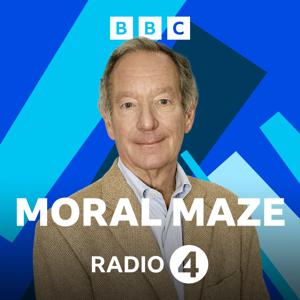

Major changes in the Civil Service are needed to tackle metropolitan ‘groupthink’ in government, according to Michael Gove. Sceptics are worried about the impact of all this on the political neutrality of our administrators. Beyond the walls of Whitehall, there are those in Britain who believe that ‘groupthink’ has become pestilential. The word was coined in the 1970s by social psychologist Irving Janis. It has come to refer to people who are passionate about a particular view of the world and who treat those who don’t share their values with contempt, or even hostility. Today, commentators talk also of ‘cancel culture’ – public denunciations of high-profile individuals whose beliefs are deemed to be incompatible with the prevailing moral orthodoxy. When ‘unacceptable’ private thoughts are made public, reputations can be trashed and jobs are sometimes lost. Those accused of this kind of ‘groupthink’ reject that criticism and believe that all public figures should be held accountable for their views. Once made public, they argue, those views can have a direct and adverse impact on people’s lives, so they become everybody’s business. Should a person’s legitimacy in public life be judged as much on what they think as how they behave? Is it possible to separate thoughts from deeds or are they intimately connected? Has social media robbed us of the ability to tolerate diversity of opinion, or is this talk of ‘the thought police’ hysterical? Is ‘groupthink’, as we have come to understand it, irrational, divisive and dangerous? Or does it merely describe an age-old phenomenon: a group of like-minded people uniting to campaign for a better world? With Dalia Gebrial, Paul Taylor, Rt Rev Dr David Walker and Toby Young.
Producer: Dan Tierney.
 View all episodes
 By BBC Radio 4

4.6
5151 ratings
Major changes in the Civil Service are needed to tackle metropolitan ‘groupthink’ in government, according to Michael Gove. Sceptics are worried about the impact of all this on the political neutrality of our administrators. Beyond the walls of Whitehall, there are those in Britain who believe that ‘groupthink’ has become pestilential. The word was coined in the 1970s by social psychologist Irving Janis. It has come to refer to people who are passionate about a particular view of the world and who treat those who don’t share their values with contempt, or even hostility. Today, commentators talk also of ‘cancel culture’ – public denunciations of high-profile individuals whose beliefs are deemed to be incompatible with the prevailing moral orthodoxy. When ‘unacceptable’ private thoughts are made public, reputations can be trashed and jobs are sometimes lost. Those accused of this kind of ‘groupthink’ reject that criticism and believe that all public figures should be held accountable for their views. Once made public, they argue, those views can have a direct and adverse impact on people’s lives, so they become everybody’s business. Should a person’s legitimacy in public life be judged as much on what they think as how they behave? Is it possible to separate thoughts from deeds or are they intimately connected? Has social media robbed us of the ability to tolerate diversity of opinion, or is this talk of ‘the thought police’ hysterical? Is ‘groupthink’, as we have come to understand it, irrational, divisive and dangerous? Or does it merely describe an age-old phenomenon: a group of like-minded people uniting to campaign for a better world? With Dalia Gebrial, Paul Taylor, Rt Rev Dr David Walker and Toby Young.
Producer: Dan Tierney.

7,913 Listeners

863 Listeners

1,067 Listeners
159 Listeners

5,576 Listeners

1,808 Listeners

1,729 Listeners

1,018 Listeners
2,113 Listeners

1,952 Listeners
32 Listeners
38 Listeners

428 Listeners
159 Listeners
43 Listeners
75 Listeners
108 Listeners
745 Listeners

3,245 Listeners
779 Listeners
1,010 Listeners
3,858 Listeners

1,314 Listeners
851 Listeners
48 Listeners