
Sign up to save your podcasts
Or

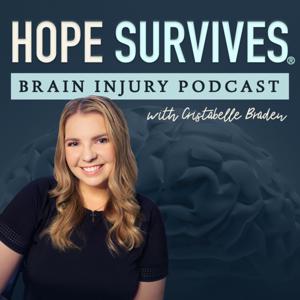


After a concussion, it can be hard to find answers to reduce symptoms, especially when you “look fine” on the outside. Even conventional evaluations can fail to provide clear answers. Today, we are exploring the powerful connection between nutrition and brain function, and how targeted, holistic choices can calm inflammation and put recovery back into your hands.
In this episode, host Cristabelle Braden interviews Chelsea Tuttle, who shares her journey navigating post-concussion syndrome following a car accident and a delayed onset of life-altering symptoms. Chelsea details how discovering persistent neuro-inflammation on her brain scans led her to partner with a nutritionist to trial an anti-inflammatory elimination diet, producing a night-and-day shift in her cognitive clarity, headaches, and physical stamina. We also talk about sensory overload while driving, identifying individual food triggers, and learning to measure progress by celebrating small daily wins rather than fixating on limitations.
🥑*Access Our FREE Downloadable Resources on Brain Nutrition: https://hopesurvives.org/resource-hub/nutrition-physical-health
This week’s spotlight with Dr. Jeremy Schmoe from The Functional Neurology Center is on movement and nutrition in neuro-recovery. Dr. Schmoe explains how intentional movement activates cerebellar, basal ganglia, and frontal lobe pathways, how targeted therapies can engage neural circuits when movement is restricted from injury, and why adopting a brain healthy diet can significantly reduce migraine frequency and systemic inflammation.
🧠 In this episode:
CONNECT
Follow @hopesurvives
Visit hopesurvives.org
Join a support group at hopesurvives.org/community
Reach out to us anytime: [email protected]
Hosted by Cristabelle Braden: @cristabellebraden | cristabellebraden.com
-------
Sponsor
Thank you to The Functional Neurology Center for sponsoring this podcast - The FNC offers personalized neuro-recovery programs for anyone going through brain injury and a wide range of neurological conditions. Learn more: thefnc.com
0:00 Intro
1:54 Welcome with Cristabelle
3:30 Movement and Nutrition for Brain Recovery - Dr. Jeremy Schmoe
9:24 Chelsea’s Concussion Story
15:45 Invisible Symptoms and Inflammation
18:52 Finding Nutrition for Concussion Symptoms
23:45 Changes and Improvements
25:30 Encouragement & Small Steps
31:36 Words of Hope
-------
Disclaimer
This podcast is for education and informational purposes only and is not medical advice. Please consult your physician for individualized care. More: hopesurvives.org/podcast
A sudden stroke can alter everything in an instant. For many who have experienced brain injuries and strokes, the hardest battles aren't just physical, but the invisible challenges of neuro-fatigue, unpredictable cognitive stamina, and wrestling with who you are when your career and daily routines change overnight.
In this episode, host Cristabelle Braden interviews stroke survivor and founder of The Broken Road Project, Trent Peterson, who shares his journey following a life-altering brainstem stroke. Listen to discover how Trent navigated the sudden loss of independence, managed invisible symptoms like double vision and cognitive flooding, and had to come to big questions about his identity. We talk about the power of redefining your life after an injury like this, and how embracing a "broken road" can open the door to redefining your life and purpose.
We also feature a spotlight with Dr. Jeremy Schmoe from The Functional Neurology Center on hope for post-stroke rehabilitation. Dr. Schmoe discusses emerging therapeutic strategies that go beyond traditional motor rehab, including gut barrier support, photobiomodulation, virtual reality mirror therapy to stimulate mirror neurons, and pulsed electromagnetic field (PEMF) therapy to drive neuroplasticity and blood flow.
🧠 In this episode:
CONNECT
Follow @hopesurvives
Visit hopesurvives.org
Join a support group at hopesurvives.org/community
Reach out to us anytime: [email protected]
Hosted by Cristabelle Braden: @cristabellebraden | cristabellebraden.com
Connect with Trent: thebrokenroad.org
-------
Sponsor
Thank you to The Functional Neurology Center for sponsoring this podcast - The FNC offers personalized neuro-recovery programs for anyone going through brain injury and a wide range of neurological conditions. Learn more: thefnc.com
0:00 Intro
2:12 Welcome with Cristabelle
4:48 Hope for Stroke Rehab - Dr. Jeremy Schmoe
7:40 Trent’s Stroke Story
12:25 Invisible and Identity Changes
16:02 Redefining and Reinventing
21:10 Adjusting Pacing & Advocating For Yourself
24:25 Broken Road Project & Giving Back
30:52 Words of Hope
-------
Disclaimer
This podcast is for education and informational purposes only and is not medical advice. Please consult your physician for individualized care. More: hopesurvives.org/podcast
Recovering from any type of concussion or brain injury can feel like a really long journey. But what if you have been developing a resilience you didn’t know you had all along? Whether you’ve had the injury yourself, or if you are a loved one - join us in this episode for some encouragement.
In this episode, host Cristabelle Braden interviews Speech-Language Pathologist Wendy Ellmo, who shares both her professional expertise and personal insight after sustaining a severe traumatic brain injury at age 17. Wendy breaks down the foundations of cognitive recovery, offering practical tools to reframe accommodations and strategies as empowering safety nets rather than limitations. Listen for practical ways to foster resilience and find purpose along the journey.
We also feature a spotlight with Dr. Jeremy Schmoe from The Functional Neurology Center on neurological resilience and neuroplasticity. Dr. Schmoe shares how intentional stimulation, including quick eye movements, visualization, breath mechanics, and cognitive dual-tasking, helps neurons fire and wire together while calming microglial neuro-inflammation.
🧠 In this episode:
The Hope Collective: read and share reflections on life after brain injury: hopesurvives.org/thehopecollective
CONNECT
Follow @hopesurvives
Visit hopesurvives.org
Join a support group at hopesurvives.org/community
Reach out to us anytime: [email protected]
Hosted by Cristabelle Braden: @cristabellebraden | cristabellebraden.com
-------
Sponsor
Thank you to The Functional Neurology Center for sponsoring this podcast - The FNC offers personalized neuro-recovery programs for anyone going through brain injury and a wide range of neurological conditions. Learn more: thefnc.com
-------
0:00 Intro
1:55 Welcome with Cristabelle
2:50 Neuroplasticity & Brain Resilience - Dr. Jeremy Schmoe
7:07 Introducing Wendy
11:45 How Personal TBI Experience Helped in SLP Practice
13:15 Common Changes after Brain Injury
16:48 Ways to Strengthen Resilience
25:04 Small, Practical Steps
29:08 Encouragement for Family Members
31:18 Words of Hope
-------
Disclaimer
This podcast is for education and informational purposes only and is not medical advice. Please consult your physician for individualized care. More: hopesurvives.org/podcast
Living with post-concussion syndrome often means navigating a disorienting loss of identity, unpredictable symptoms, and the frustration of feeling like a stranger to yourself. When a good day is suddenly followed by an overwhelming crash, the uncertainty of recovery can make finding a clear path forward feel impossible. Today, we are exploring how to navigate the emotional and physical toll of lingering symptoms, adapt to an invisible injury, and discover true peace in the midst of life's chaos.
Today, host Cristabelle Braden interviews author and speaker Tara L. Banks, who candidly shares her personal experience recovering from multiple concussions. Listen as Tara opens up about grappling with a shifted sense of self, managing light and sound sensitivity, dizziness, and brain fog, and learning to advocate for herself when her struggles aren't visible to others. We also discuss redefining victory through the "little wins" of daily life, leaning on faith and supportive community, and cultivating internal peace when external circumstances remain uncertain.
We also feature a spotlight with Dr. Jeremy Schmoe from The Functional Neurology Center on hope for post-concussion syndrome. Dr. Schmoe shares the importance of looking beyond traditional rehab to explore blood chemistry, gut health, neuro-inflammation, and supporting the brain's glymphatic system.
🧠 In this episode:
The Hope Collective: read and share reflections on life after brain injury: hopesurvives.org/thehopecollective
CONNECT
Follow @hopesurvives
Visit hopesurvives.org
Join a support group at hopesurvives.org/community
Reach out to us anytime: [email protected]
Hosted by Cristabelle Braden: @cristabellebraden | cristabellebraden.com
Connect with Tara:.taralbanks.com
-------
Sponsor
Thank you to The Functional Neurology Center for sponsoring this podcast - The FNC offers personalized neuro-recovery programs for anyone going through brain injury and a wide range of neurological conditions. Learn more: thefnc.com
-------
0:00 Intro
2:05 Welcome with Cristabelle
4:24 Hope for PCS - Spotlight with Dr. Jeremy Schmoe
8:26 Tara’s Concussion Story
15:14 “Looking Fine” - Not Feeling Fine
20:18 Finding Peace in Post-Concussion
23:25 Sense of Self & Not Giving Up
31:10 Finding Everyday Fruit - Tara’s Book
32:22 Words of Hope
-------
Disclaimer
This podcast is for education and informational purposes only and is not medical advice. Please consult your physician for individualized care. More: hopesurvives.org/podcast
Have you ever felt stuck and unsure how to move forward in your recovery journey? Today, as we kick off Season 6, we are talking about how learning about brain health can make a huge impact - and giving you some practical tools to take with you.
In this episode, host Cristabelle Braden interviews Luke Bohnenberger, known as Luke Speaks TBI, who shares his powerful journey from a severe car accident and mental health struggles to becoming an advocate for others. Listen to discover how understanding your brain’s needs on a neurological level can remove shame, empower recovery, and help you regain a sense of control over your life and recovery journey.
We also feature a spotlight on brain health with Dr. Jeremy Schmoe from The Functional Neurology Center. Dr. Schmoe explains practical, daily habits for supporting your neurology, focusing on blood sugar regulation, hydration, and simple ways to activate your brain through movement, visualization, and stress reduction.
🧠 In this episode:
CONNECT
Follow @hopesurvives
Visit hopesurvives.org
Join a support group at hopesurvives.org/community
Reach out to us anytime: [email protected]
Hosted by Cristabelle Braden: @cristabellebraden | cristabellebraden.com
Connect with Luke: lukespeakstbi.com
-------
Sponsor
Thank you to The Functional Neurology Center for sponsoring this podcast - The FNC offers personalized neuro-recovery programs for anyone going through brain injury and a wide range of neurological conditions. Learn more: https://www.thefnc.com
-------
0:00 Intro
1:45 Welcome with Cristabelle
2:59 Brain Health - Spotlight with Dr. Jeremy Schmoe
6:02 Introducing Luke
8:45 The TBI Journey
14:35 Foundation of Brain Health
23:00 Understanding Safety in Nervous System
26:45 Takeaways and Small Steps
31:35 Final Words of Hope
-------
Disclaimer
This podcast is for education and informational purposes only and is not medical advice. Please consult your physician for individualized care. More: hopesurvives.org/podcast
At Hope Survives, we know that life with brain injury isn’t easy - so we're here to talk all about the ups, downs, and in-betweens, and offer some encouragement and practical tools to help you on your journey. Today we're sharing a preview of where we're going in Season 6.
This season, we’re having thoughtful conversations with clinicians and individuals impacted by brain injury: connecting expert insight with the real-life, day-to-day experience of life after brain injury. Today’s preview episode includes a first look at some of our conversations. Subscribe and stay tuned for the official premiere!
CONNECT
Follow @hopesurvives
Visit hopesurvives.org
Join a support group at hopesurvives.org/community
Reach out to us anytime: [email protected]
Hosted by Cristabelle Braden: @cristabellebraden | cristabellebraden.com
-------
Sponsor
Thank you to The Functional Neurology Center for sponsoring this podcast - The FNC offers personalized neuro-recovery programs for anyone going through brain injury and a wide range of neurological conditions. Learn more: https://www.thefnc.com
-------
Disclaimer
This podcast is for education and informational purposes only and is not medical advice. Please consult your physician for individualized care. More: hopesurvives.org/podcast
It’s easy to feel overwhelmed after a brain injury, with the mix of symptoms, daily stress, and simply coping with how your life has changed. It’s also common after brain injury to end up in survival mode, feeling disconnected from your body, and pushing yourself - which may be okay short term, but can add to long term stress and chronic symptoms. Today, we are diving into the topics of grounding, mindfulness, and how learning to regulate your nervous system can help you to move forward with healing after a brain injury.
In this episode, host Cristabelle Braden interviews Occupational Therapist Shelley Latendresse, who shares practical insights on how mindfulness and grounding techniques can aid recovery from a brain injury. Listen to discover how simple daily practices can help manage symptoms, reduce cognitive load, and promote healing. We also talk about coexisting with pain, symptoms, and the ways that we can acknowledge where we are at while also moving forward.
We also feature a spotlight with Dr. Jeremy Schmoe from The Functional Neurology Center. Dr. Schmoe explains how to bring your nervous system out of a hyper-sympathetic "fight-or-flight" state using targeted neurological stimulation as well as ways to do it at home.
This is also our Season 5 finale! We are so grateful for the conversations we've had this season and we look forward to staying connected as we enter a break to prepare for the next season.
🧠 In this episode:
CONNECT
Follow @hopesurvives
Visit hopesurvives.org
Join a support group at hopesurvives.org/community
Reach out to us anytime: [email protected]
Hosted by Cristabelle Braden: @cristabellebraden | cristabellebraden.com
-------
Sponsor
Thank you to The Functional Neurology Center for sponsoring this podcast - The FNC offers personalized neuro-recovery programs for anyone going through brain injury and a wide range of neurological conditions. Learn more: https://www.thefnc.com
-------
0:00 Intro
1:53 Welcome with Cristabelle
3:00 Season 5 Finale
7:15 Nervous System Regulation - Spotlight with Dr. Jeremy Schmoe
13:00 Introducing Shelley Latendresse, OT
17:51 Why Mindfulness Matters
19:55 Feeling Disconnected from Your Body & Mind
21:40 Ways to Connect to the Moment
31:30 Grounding for Coexisting with Pain and Symptoms
40:44 Finding Beauty in the Everyday
42:22 Words of Hope
-------
Disclaimer
This podcast is for education and informational purposes only and is not medical advice. Please consult your physician for individualized care. More: hopesurvives.org/podcast
When you are recovering from a brain injury, simply trying to get through a daily task can feel like an absolute mountain to climb. Executive dysfunction can make it incredibly frustrating to finish what you start: you might find yourself losing your place mid-task, getting easily distracted, or completely forgetting what you were doing in the first place, leaving behind a trail of half-finished projects and not knowing how to continue.
In this episode, host Cristabelle Braden sits down for a full interview with Stacia Bissell and Katya Bowen to discuss the ins and outs of task completion after brain injury - and how you can map out a plan to get your focus back.
We also feature a spotlight with Dr. Jeremy Schmoe from The Functional Neurology Center all about some of the neurological and metabolic reasons behind executive dysfunction.
*Join the Maps for Task Completion Live Virtual Workshop - coming up on September 18 - register now! https://hopesurvives.org/maps-workshop
🧠 In this episode:
CONNECT
Follow @hopesurvives
Visit hopesurvives.org
Join a support group at hopesurvives.org/community
Reach out to us anytime: [email protected]
Hosted by Cristabelle Braden: @cristabellebraden | cristabellebraden.com
-------
Sponsor
Thank you to The Functional Neurology Center for sponsoring this podcast - The FNC offers personalized neuro-recovery programs for anyone going through brain injury and a wide range of neurological conditions. Learn more: https://www.thefnc.com
-------
0:00 Intro
2:10 Welcome with Cristabelle
5:00 Executive Dysfunction - Spotlight with Dr. Jeremy Schmoe
8:45 Introducing Stacia & Katya
16:55 Task Completion
19:25 Creating Your Map
26:00 Setting Yourself Up for Success
34:35 Encouragement
36:25 Words of Hope
-------
Disclaimer
This podcast is for education and informational purposes only and is not medical advice. Please consult your physician for individualized care. More: hopesurvives.org/podcast
Imagine a world where brain injury recovery isn't a frustrating game of trial and error, but a precisely mapped, tech-driven path designed for how your unique brain heals. The future of neuro-rehabilitation is no longer a distant dream - it is happening right now, and it brings so much hope.
In this episode, host Cristabelle Braden sits down with Dr. Jeremy Schmoe from The Functional Neurology Center to unpack some of the recent groundbreaking technology advancements reshaping rehabilitation. If you or a loved one has ever been stuck in survival mode or told your scans look "normal" despite a daily battle with brain fog and fatigue, this conversation is an exciting look at the advanced care happening across the globe.
🧠 In this episode:
CONNECT
Follow @hopesurvives
Visit hopesurvives.org
Join a support group at hopesurvives.org/community
Reach out to us anytime: [email protected]
Hosted by Cristabelle Braden: @cristabellebraden | cristabellebraden.com
-------
Sponsor
Thank you to The Functional Neurology Center for sponsoring this podcast - The FNC offers personalized neuro-recovery programs for anyone going through brain injury and a wide range of neurological conditions. Learn more: https://www.thefnc.com
-------
0:00 Intro
1:47 Welcome with Cristabelle
6:05 Introducing Dr. Schmoe
12:25 New Visual Tablet Tech - REMOBI
21:20 New VR Assessment Tech - NESPLORA
24:52 New Brain Imaging Tech - NIRSIT
28:20 Words of Hope
-------
Disclaimer
This podcast is for education and informational purposes only and is not medical advice. Please consult your physician for individualized care. More: hopesurvives.org/podcast
Music has a unique ability to reach parts of the brain that regular speech or traditional therapies sometimes cannot. For those who have experienced a brain injury, the rhythmic and multi-sensory nature of music can bridge neurological gaps and provide a distinct pathway toward healing. In this episode, host Cristabelle Braden sits down with neurologic music therapist Serenna Wagner and her client, Alice Collier, who has experienced a brain injury to talk about the profound impact of music therapy on recovery.
We also feature a spotlight with Dr. Ryan Harvey from The Functional Neurology Center. Dr. Harvey explains the mechanics of auditory stimulation and music, breaking down how it triggers multi-sensory integration to stimulate neural pathways without overloading a recovering patient's sensory system.
🧠 In this episode:
Connect with Serenna: https://thisinnervoice.com/
CONNECT
Follow @hopesurvives
Visit hopesurvives.org
Join a support group at hopesurvives.org/community
Reach out to us anytime: [email protected]
Hosted by Cristabelle Braden: @cristabellebraden | cristabellebraden.com
-------
Sponsor
Thank you to The Functional Neurology Center for sponsoring this podcast - The FNC offers personalized neuro-recovery programs for anyone going through brain injury and a wide range of neurological conditions. Learn more: https://www.thefnc.com
-------
0:00 Intro
1:53 Music on Cristabelle’s Journey
6:10 Music and Multi-Sensory Integration in Brain Injury Rehabilitation with Dr. Harvey - Spotlight
9:43 Introducing Alice and Serenna
15:05 Finding New Life after Brain Injury
18:15 Understanding Music Therapy
23:05 How Music Brings Growth after Brain Injury
27:27 Creativity in Brain Injury Recovery
32:45 Playing “The Drunken Sailor”
35:28 Words of Hope
-------
Disclaimer
This podcast is for education and informational purposes only and is not medical advice. Please consult your physician for individualized care. More: hopesurvives.org/podcast
From the publisher's feed

78,283 Listeners

39,013 Listeners

87,221 Listeners

111,734 Listeners

369,311 Listeners
8,532 Listeners
835 Listeners

15,909 Listeners

2,893 Listeners
21 Listeners