
Sign up to save your podcasts
Or

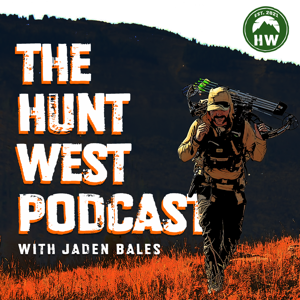


We're covering a little bit of everything on this week's Hunt West Podcast!
First, I'm checking in from the middle of Wyoming hunting season with some great success stories from Hunt West hunters, an opening-day elk hunt that ended with a mature bull at just 36 yards, and some thoughts on why we need to pay more attention to tracks. Plus, we're talking about how to adjust your mule deer tactics as mature bucks start transitioning toward the rut.
Then Ryan Burnett of Pattern Pros joins me to talk about finding the right ammunition for sighting in your rifle, building confidence behind the trigger, and making shooting and hunting something the whole family can enjoy. We also get into some pretty entertaining hunting stories involving ducks, turkeys, and a particularly angry beaver.
It's a little bit of everything this week, but there's plenty here to help you become a better hunter.
Show Links:
Find Ryan and Pattern Pros at patternprosusa.com
2027 Complete Hunt Plans: Reserve your spot >>
Upcoming state-specific hunting webinars >>
Sign Up for the Hunt West Digest Email >>
Late-season rifle elk hunting is a grind. The bulls have been pressured, the weather can be brutal, and you might only get one good opportunity all week.
Montana horseback hunting guide Drew Crain joins me to talk about finding and killing elk in late October and November on public land. We cover where elk move after opening day, hunting thick timber and small feeding areas, deciding when to glass versus cover ground, and why fresh snow can change your entire hunt.
Drew also shares stories from guiding wilderness elk and mule deer hunters, including a hard lesson about passing up a bull and the story of his own successful backcountry rifle elk hunt.
Plus, we get into staying warm, keeping your rifle ready, and the mindset it takes to keep hunting when things get tough.
If you've got a late-season rifle tag, this one's for you.
Show Links:
Follow Drew on Instagram @Drewcrain
2027 Complete Hunt Plans: Reserve your spot >>
Upcoming state-specific hunting webinars >>
Sign Up for the Hunt West Digest Email >>
Opening day of rifle elk season can be your best opportunity to kill a bull. But once the shooting starts, things can fall apart in a hurry.
This week, I'm recapping a five-day guided rifle elk hunt in Wyoming with my hunter, Chance. We had plenty of opportunities, watched hunting pressure completely change elk behavior, and spent four days grinding before finally putting a great six-point bull on the ground on the last morning.
Along the way, I'm sharing some lessons on adapting to hunting pressure, making smart decisions around private land boundaries, and knowing when to switch from trying to kill an elk RIGHT NOW to setting yourself up for success later in the hunt.
Plus, I'll explain why, despite our success, this isn't the type of elk hunt I'd personally spend my preference points on, and why matching your hunting style to the right unit matters more than you might think.
Links:
2027 Complete Hunt Plans: Reserve your spot >>
Upcoming state-specific hunting webinars >>
Jaden finally filled his Oregon Premium Pronghorn tag, but it definitely didn't happen the way he expected.
On the drive back to the airport, Jaden sits down with his brother Tyler to recap the hunt, including how different this low-density Oregon pronghorn hunt was from chasing antelope in Wyoming or Montana, why local knowledge mattered so much, and how timing completely changed where the antelope were living.
Then they get into the part that every rifle hunter should hear before season.
Jaden borrowed Tyler's rifle, got an opportunity at a good buck, and proceeded to shoot over him multiple times before finally getting the job done at much closer range. That leads into a conversation about knowing your rifle, getting an accurate range, understanding your rangefinder, practicing with the actual system you'll hunt with, and knowing when you need to move fast versus when you absolutely need to slow down.
They also talk about why a "premium" tag doesn't necessarily mean a premium hunt, how expectations can make or break an experience, and why this particular hunt ended up being valuable for reasons that had very little to do with antelope score.
If you've got a rifle deer or elk hunt coming this fall, consider this your reminder: Go shoot your rifle.
Show links:
Reserve 2027 Complete Hunt Plans >>
Hunt West Application Webinars >>
Get the Hunt West Digest Sunday Email
Learn About the Hunt West Argentina Red Stag Trip
Need help with a last-minute hunting problem? Email Jaden at [email protected]
Thanks to Bo DePena, a musician, friend and avid hunter in Colorado, for the intro and outro music for the show.
Everybody wants a honey hole, but how big is one? A single wallow, a particular hillside, or an entire drainage? And can you really pass one along to another hunter?
On a quick Montana elk hunt with my buddy Drew, I test out a "honey hole" that was passed along to me. We checked out a proven elk spot, found bulls in some nasty country, and learned a few lessons about finding elk and making the most of your opportunities with a short amount of time.
I also talk about testing an old pronghorn honey hole in Oregon and what October mule deer hunters can learn from all of this talk of "honey holes."
Sure, honey holes might exist, but they come and go. Timing, hunting pressure, and changing conditions can make yesterday's killer spot a complete bust. The real trick is learning why animals use certain places and how to adjust when they don't. And that's what we talk about while telling some good old hunting stories in this week's episode of the Hunt West Podcast. Hope you enjoy!
Show Notes:
Reserve 2027 Complete Hunt Plans >>
Hunt West Application Webinars >>
Get the Hunt West Digest Sunday Email
Learn About the Hunt West Argentina Red Stag Trip
Need help with a last-minute hunting problem? Email Jaden at [email protected]
Thanks to Bo DePena, a musician, friend and avid hunter in Colorado, for the intro and outro music for the show.
We're into the final stretch of September, and this episode comes straight from a Wyoming archery elk hunt full of silent bulls, changing elk movement and rut activity, close calls, and one satellite six-point that followed our cow calls into 24 yards.
We also break down the recovery after the shot, including why we started a timer, backed out overnight, and brought in a tracking dog before recovering the bull 15 hours later. Then we look ahead at late-September elk tactics, including why satellite bulls may come in silently, why herd bulls can be tough to pull off cows, and how we're approaching the final push of archery season.
Enjoy this episode of the Hunt West Podcast!
Show Notes:
Reserve 2027 Complete Hunt Plans >>
Hunt West Application Webinars >>
Get the Hunt West Digest Sunday Email
Learn About the Hunt West Argentina Red Stag Trip
Need help with a last-minute hunting problem? Email Jaden at [email protected]
Thanks to Bo DePena, a musician, friend and avid hunter in Colorado, for the intro and outro music for the show.
Opening week is where an entire summer of scouting finally gets tested against reality. Jaden heads into Montana's archery opener with seven mule deer bucks scouted, several he would gladly shoot, and a plan to hunt aggressively. Four days later, he has found five completely different bucks, made two legitimate stalks, gotten inside archery range, and somehow never laid eyes on any of the deer he spent the summer scouting.
In this solo episode, Jaden breaks down those opening-week hunts and the decisions behind them. He explains his framework of hunting to "kill this season, kill today, or kill right now," why he changed tactics after a dead opening morning, and how impatience ruined an opportunity after he had already slipped within bow range. He also shares a second stalk on a high-country four-point that simply disappeared after bedding, plus what both failed opportunities taught him about thermals, aggression, patience, and using current information instead of becoming married to scouting history.
The conversation then shifts to elk. Despite cool weather, rain, and plenty of reasons to expect an early start to the rut, Jaden heard zero bugles during his first four days in the mountains. Other hunters were finding hot pockets of activity, however, including Hunt West clients Ben and Tucker in Idaho. Jaden lays out what he expects from the September 11-20 window and why elk hunters should be prepared to glass, call, hunt water, locate herds from a distance, and change tactics rather than relying entirely on covering miles and ripping bugles.
Finally, Jaden previews the Wyoming archery elk hunt he is guiding next. Instead of trying to out-hike the elk, the plan is to use distant glassing, water, private-land access, midday stalks, and several contingency plans to adapt the hunt to both the country and the hunter. It is another real-time example of the central theme of Hunt West: build a good plan, bring plenty of tools, and expect the animals to change it.
Show Links:
Reserve 2027 Complete Hunt Plans >>
Hunt West Application Webinars >>
Get the Hunt West Digest Sunday Email
Learn About the Hunt West Argentina Red Stag Trip
Need help with a last-minute hunting problem? Email Jaden at [email protected]
Thanks to Bo DePena, a musician, friend and avid hunter in Colorado, for the intro and outro music for the show.
Opening day is where an entire summer of mule deer scouting collides with reality. Jaden sits down with Garrison Kinsel to compare their scouting seasons and lay out their actual plans for the opening days of Montana's archery season and Colorado's muzzleloader season.
Both hunters have identified mature target bucks, but the picture is already changing. Trail cameras have gone quiet, bucks have shifted elevation, high-country vegetation is drying out, and other hunters are beginning to appear. Jaden and Garrison discuss why a missing buck may have only changed his travel route, how water and feed can reshape late-summer patterns, and why hunters often need to expand their search before abandoning a productive area.
They also break down how they are ranking their A, B and C locations, adjusting their tolerance for hunting pressure, and deciding between aggressive spot-and-stalk plays, ambushes and still-hunting. Garrison plans to scout several C-tier locations before committing to his original target bucks, while Jaden intends to hunt aggressively on opening morning before falling back to lower-pressure country.
This episode is a real-time look at turning summer scouting into a hunting plan that can survive opening-day chaos. If you have a buck scouted, recently lost track of one, or placed too many eggs in one honey-hole basket, this conversation will help you decide what to do next.
Show Links:
Follow Garrison Kinsel on Instagram
Get the Hunt West Digest Sunday Email
Learn About the Hunt West Argentina Red Stag Trip
Need help with a last-minute hunting problem? Email Jaden at [email protected]
Thanks to Bo DePena, a musician, friend and avid hunter in Colorado, for the intro and outro music for the show.
Nobody plans on needing a tracking dog, but the decisions made during the first few hours after a questionable shot can determine whether an animal is recovered or lost.
Scott Gillespie, founder of Rocky Mountain Big Game Recovery, joins the podcast to explain what hunters should do when a blood trail disappears. Scott walks through how to contact a tracker, how long hunters may need to wait based on the hit, why grid searching can make a dog's job harder, and when it is time to stop tracking and back out.
The conversation also digs into frontal shots on elk, what blood can and cannot tell you, how tracking dogs follow animals when no visible sign remains, and why rain does not necessarily ruin a dog's ability to work a trail. Scott shares several memorable recoveries involving elk, mule deer, and black bears, including animals found more than a mile from the shot and others hunters had unknowingly walked past for days.
Finally, Scott explains why sharp broadheads, a well-tuned bow, and complete pass-throughs matter so much. If you are heading into archery season, this episode will help you make better decisions before the shot, immediately afterward, and when the blood trail runs dry. Hope you enjoy and learn something valuable from this one!
Show Links:
Find a tracking dog and handler >>
Learn more about Rocky Mountain Big Game Recovery >>
Book a Hunt West Planning Session >>
Hunt West Hosted Red Stag Trip >>
Thanks to Bo DePena, a musician, friend, and avid hunter in Colorado, for the intro and outro music for the show.
Back in February, Jaden and Hayden Richins recorded an episode called "Contingencies: How to Build Backup Plans". They worked through uncertain draw odds, multiple states, and over-the-counter options to make sure they would have a hunt together no matter how application season shook out. That planning session eventually sent them to Northern California to bowhunt blacktail deer.
Now it is late August, their hunt is over, and contingency plans got tested in the real world. Jaden and Hayden expected to backpack into the high country, glass up bucks, and hunt them using a familiar spot-and-stalk approach. Instead, they found few deer up high, smoke that ruined their glassing, brutal terrain, unpredictable winds, and blacktails that were remarkably good at staying out of archery range.
This episode covers how they adjusted once the original plan failed. They moved to lower elevations, followed tracks and travel corridors, still-hunted through cover, and eventually committed to sitting springs for hours at a time. That was not how either of them wanted to hunt, but it consistently gave them their best opportunities.
They did not come home with a buck, but this hunt proved why contingencies cannot stop at choosing another state or buying a backup tag. Western hunters also need backup areas, backup tactics, and a process for deciding when it is time to change course. This is the full-circle follow-up to the February episode and an honest look at what adapting during a hunt actually looks like when Plan A gets punched in the mouth.
Show Links:
Book a Hunt West Planning Session >>
Hunt West Hosted Red Stag Trip >>
Thanks to Bo DePena, a musician, friend, and avid hunter in Colorado, for the intro and outro music for the show.
From the publisher's feed
Ranked by our users in the last 21 days
2,789 Listeners
2,925 Listeners

575 Listeners

662 Listeners
641 Listeners
157 Listeners
1,630 Listeners
256 Listeners
6,755 Listeners
1,878 Listeners
447 Listeners
94 Listeners
143 Listeners
125 Listeners
78 Listeners