
Sign up to save your podcasts
Or



Most people have probably heard a high-pitched whining noise in their ears at least once. It comes and then it goes, but it’s temporary. However, for some people, that ringing, hissing, whistling, buzzing, or clicking sound is constant. That noise that isn’t a noise is called tinnitus, and it’s generally caused by damage to the auditory system.
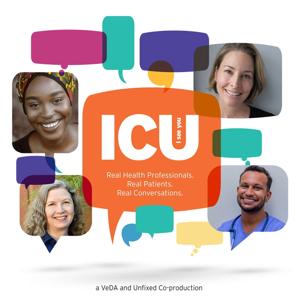
In this episode of the ICU ("I See You") podcast, the discussion explores the connection between tinnitus and hearing loss, common concerns, and possible treatments and coping strategies. Hosts Cynthia Ryan (VeDA Executive Director) and Kimberly Warner (Unfixed Media Founder & Director) are joined by Dr. Christina Shields, AuD, and Steve Schwier, who shares his personal experience with tinnitus resulting from Meniere's disease. Steve vividly describes the impact of tinnitus on his daily life and the disorienting effect it has. Dr. Shields explains the nature of tinnitus.
This podcast is a co-production of the Vestibular Disorders Association (VeDA) and Unfixed Media.
About the Guests:
Diagnosed with Meniere’s Disease in 2013, Steve Schwier had been able to do little at that time but stay on his couch and manage his symptoms. But in 2020, Steve decided to get up and ride his bike across America to be the voice of a suffering, silent minority and bring awareness to Meniere’s Disease. His difficult and grueling ride is chronicled in his memoir, “On the Vertigo: One Sick Man’s Journey to Make a Difference.” Despite the horrendous nature of Meniere’s disease, Steve tells his story with humor, grace, and heartfelt reflection.
Dr. Christina Shields, AuD is an Assistant Clinical Professor in the Department of Hearing and Speech Sciences at the University of Maryland in College Park. She received a bachelor's degree in Hearing and Speech Sciences, as well as her Clinical Doctorate in Audiology from the University of Maryland. She completed her clinical fourth year placement at the University of Maryland Medical Center in 2013. Her clinical background includes diagnostic audiometric testing, amplification for adult patients, vestibular assessment, and tinnitus, hyperacusis evaluation and management. She currently teaches undergraduate hearing and speech courses and supervises graduate students in the clinic.
VeDA relies on your support to help vestibular patients on their journey to find a life rebalanced. You can make a real difference by making a donation at https://vestibular.org/donate/
If you are experiencing vertigo, tinnitus, dizziness, imbalance, brain fog, or other balance-related symptoms, VeDA may be able to help. To learn more about vestibular conditions and get help finding a diagnosis, treatment, coping tools, and support visit https://vestibular.org/
For help finding a vestibular healthcare provider visit https://vestibular.org/healthcare-directory/
If you are a vestibular healthcare professional and want to reach more patients, join VeDA's Healthcare Provider Directory by becoming a member at https://vestibular.org/article/resources-for-professionals/professional-membership/. Additional benefits include patient education articles you can brand with your logo.
Movement and exercise are two words that can be really triggering for people with chronic illnesses. You may have heard someone say to you “just exercise, you’ll feel better,” but when we take that advice from our doctors the opposite effect might happen. More often than not, picking up a new exercise routine can actually make you feel worse if your symptoms and current state of chronic illness is not considered first and foremost. Exercise CAN be used to your advantage, and you can absolutely reduce your sensitivity to movement, reduce the number of attacks you have, raise your threshold, and improve your quality of life through movement if you approach it with very specific intentions. Today we’ll talk about how and what kind of movement benefits people with vestibular dysfunction.
In this episode of the ICU ("I See You") podcast, hosts Cynthia Ryan (VeDA Executive Director) and Kimberly Warner (Unfixed Media Founder & Director) discuss the challenges around movement for vestibular patients. They invite Physical Therapist Dr. Madison Oak and vestibular patient Stephanie B. Looney to discuss this topic, bringing together the patient and healthcare provider perspectives.
This podcast is a co-production of the Vestibular Disorders Association (VeDA) and Unfixed Media.
About the Guests
Stephanie B. Looney is a 50 year old retired Physician Assistant (PA-C) who worked in the field of dermatology and is a mother of two teenagers. 10 years ago my husband and she visited NYC and while there she experienced a choking episode that changed the course of my life. Three days later, she was in the emergency room with head pain, nausea, and extreme dizziness. After being evaluated and misdiagnosed for over a year, she was eventually diagnosed with vestibular migraine and PPPD. Her vestibular journey has included countless procedures, numerous medications, and therapies to try to improve my symptoms. She has wrestled with my chronic disorders both physically and psychologically, learning along the way that self-compassion and the support of others is a key part of the treatment plan. In the last year and a half she has worked with Dr. Madison Oak, The Vertigo Doctor, who taught her the importance of movement, no matter how small, and its positive impact on the vestibular system. Today she deals with chronic dizziness and weekly migraine attacks while trying to live a fulfilled and meaningful life. Her life looks different now compared to before my diagnosis; however, she has learned to embrace helpful accommodations and know that she is more than just her vestibular disorder.
Dr. Madison Oak is a physical therapist who specializes in treatment of Vestibular Migraine, Persistent Postural Perceptual Dizziness, and other vestibular disorders. Madison is the founder of Vestibular Group Fit, @thevertigodoctor, and Oak Physical Therapy & Wellness. Madison strives to provide excellent, evidence based, vestibular resources that are thorough, helpful, and actually make sense to people who have vestibular disorders.
Migraine and dizziness disorders affect SO many people in the US and the world. Madison’s journey began when she was working in an NYC outpatient Physical Therapy clinic. The day she saw an incredibly nervous, acutely dizzy, Manhattan bus driver, followed by a chronically dizzy concierge home visit patient, she realized that many people who need vestibular care cannot always access the care they need. There is not enough information about dizziness, why we get dizzy, and how to treat dizziness. It’s simple, but it feels so scary and complex when you’re actually dizzy. So, she started @TheVertigoDoctor on Instagram, a telehealth clinic in 8 states addressing only vestibular disorders, and Vestibular Group Fit. Between these three, there are accessible resources for all of those who live with vestibular disorders no matter your specific situation!
Vestibular rehabilitation therapy, or VRT, is a specialized form of exercise-based therapy designed to alleviate both primary and secondary symptoms of vestibular disorders. VRT uses specific head, body, and eye exercises designed to retrain the brain to recognize and process signals from the inner ear and coordinate them with information from our eyes and muscles. Physical therapists are challenged with creating a customized therapy plan for each patient. While VRT is an evidence-based approach for treating many types of vestibular problems, it’s not always the miracle-cure many patients are hoping for.
In this episode of the ICU ("I See You") podcast, hosts Cynthia Ryan (VeDA Executive Director) and Kimberly Warner (Unfixed Media Founder & Director) explore what works and what doesn't when it comes to Vestibular Rehabilitation Therapy. They invite Physical Therapist Matt Whitaker and vestibular patient Ashley Chin to discuss this topic, bringing together the patient and healthcare provider perspectives.
This podcast is a co-production of the Vestibular Disorders Association (VeDA) and Unfixed Media.
About the Guests
Ashley Chin is from Greenville, SC. She is a former Emergency Room RN turned home baker after many medical issues, including vestibular migraine and PPPD. She enjoys baking, crafting, and really anything nerdy including Disney, Star Wars, board games, etc. She and her husband have been married for almost 5 years, and have a sweet Wire Fox Terrier puppy named Luna.
Matt Whitaker is a physical therapist with over 20 years of experience. In 1998 he earned his degree from Loma Linda University where he co-founded the vestibular rehabilitation program for the outpatient neurological clinic. He was also a guest lecturer and vestibular instructor for doctoral physical therapy students and neurology residents. For the first decade of his career, he treated patients with neurologic conditions, working in all settings including acute and ICU care, inpatient rehabilitation, home health, and skilled nursing. Over the past fifteen years, he has focused on orthopedic care but remains passionate about helping patients with vestibular issues. Today, Matt is a co-owner of Evolve Physical Therapy, a clinic with two locations in the Portland metro area where he lives with his family.
VeDA relies on your support to help vestibular patients on their journey to find a life rebalanced. You can make a real difference by making a donation at https://vestibular.org/donate/
If you are experiencing vertigo, tinnitus, dizziness, imbalance, brain fog, or other balance-related symptoms, VeDA may be able to help. To learn more about vestibular conditions and get help finding a diagnosis, treatment, coping tools, and support visit https://vestibular.org/
For help finding a vestibular healthcare provider visit https://vestibular.org/healthcare-directory/
If you are a vestibular healthcare professional and want to reach more patients, join VeDA's Healthcare Provider Directory by becoming a member at https://vestibular.org/article/resources-for-professionals/professional-membership/. Additional benefits include patient education articles you can brand with your logo.
#LifeRebalanced #MakeVestibularVisible #Vertigo #Vestibular #Tinnitus #Dizzy #Balance
For many people with vertigo, dizziness, and imbalance it can take months or years to get an accurate diagnosis. Emergency room physicians rule out life-threatening conditions and refer patients to their primary care providers, who may be ill-equipped to diagnose vestibular problems or provide an appropriate specialist referral. As a result, people are often tossed back and forth between healthcare providers, many of whom provide little support or guidance, and in the end may end up with one or more inaccurate diagnoses or none at all.
In this episode of the ICU ("I See You") podcast hosts Cynthia Ryan (VeDA Executive Director) and Kimberly Warner (Unfixed Media Founder & Director) explore the often long road to diagnosis that many vestibular patients must travel before they finally find out what is causing their symptoms. They invite Dr. Matthew Crowson and vestibular patient Stefanie Adams to discuss this topic, bringing together the patient and healthcare provider perspectives.
This podcast is a co-production of the Vestibular Disorders Association (VeDA) and Unfixed Media.
About the Guests
Stefanie Adams
Stefanie suffered multiple traumatic brain injuries and had her third concussion in 2017. As soon as she hit her head she felt off-balance and started to sway. Over the next year she developed terrible migraines and dizziness. Eventually, the migraines left, but the dizziness stayed. A year later she discovered that she had a perilymph fistula (a hole in the membrane separating the middle and inner ears) when she got the flu, blew her nose, and the room started to spin. She’s had surgery to repair the fistula and is now a VeDA Ambassador and vestibular advocate.
Matthew Crowson, MD, MPA, MASc, FRC
Dr. Matthew Crowson is a fellowship-trained ear and skull base surgeon. His primary clinical focus is on diagnosis, medical, and surgical management of balance disorders. Dr. Crowson has been a speaker at national and international hearing & balance research meetings and has authored a textbook and numerous peer-reviewed publications in otology, neurotology and otolaryngology. He has served on the VeDA Board of Directors and Medical Advocacy Committee. He also participates in medical outreach work with prior mission trips to Western Kenya, rural Thailand, and the Canadian Arctic.
--
VeDA relies on your support to help vestibular patients on their journey to find a life rebalanced. You can make a real difference by making a donation at vestibular.org/donate
If you are experiencing vertigo, tinnitus, dizziness, imbalance, brain fog, or other balance-related symptoms, VeDA may be able to help. To learn more about vestibular conditions and get help finding a diagnosis, treatment, coping tools, and support visit vestibular.org
For help finding a vestibular healthcare provider visit vestibular.org/directory
If you are a vestibular healthcare professional and want to reach more patients, join VeDA's Healthcare Provider Directory by becoming a member at vestibular.org/membership. Additional benefits include patient education articles you can brand with your logo.
Audiological testing can be an important step in helping doctors determine whether the inner ear is the source of a patient’s dizziness. However, if you’ve ever talked with someone who has been through the gamut of tests - it’s not exactly a picnic in the park. Many patients - already ill from symptoms and fearful of tests that can exacerbate them - are anxious about their first audiologist appointment.
This episode of the ICU - "I See You" podcast covers the topic of audiological testing and the experience of vestibular patients who undergo these tests. Guests Jesus Gomez, audiologist and PhD student, joins the discussion to listen to the experiences of vestibular patient Karen Mizrach. Listen now to this thoughtful and vulnerable discussion about addressing challenges and anxieties that a vestibular patient faces going into, during, and after audiological testing.
About the guests:
In December of 2017, Karen woke up in the middle of the night with vertigo. After many doctor visits, tests, and treatments, the dizziness and off-balance sensations continued and it has become a chronic condition. Finally, she saw a neurologist who recognized her symptoms as Vestibular Migraine and Cervicogenic Dizziness, and this year PPPD was added to her list of conditions. The most challenging part of these disorders has been the isolation. Karen is divorced with grown children who don’t live close by. Living alone and having to quit her job teaching made this challenge all the more difficult. Finding VeDA was a game-changer! She now feels connected to people who understand and are supportive. Karen has become a VeDA volunteer to give back to the community that has made a difference in her life.
Jesus Gomez is an audiologist and first-year Ph.D. student in the vestibular sciences lab at James Madison University. He received his B.S in Communication Sciences and Disorders from the University of Virginia and Doctorate of Audiology from the University of Tennessee, where his interest in vestibular science began under the direction of Dr. Steven Doettl and strengthened during his 4th-year externship at the Cleveland Clinic with Dr. Julie Honaker. His interests are in electrophysiology and vestibular sciences, where he is currently under the mentorship of Drs. Erin Piker and Chris Clinard. His overarching goal is to become a bilingual clinician scientist serving both Spanish and English speaking populations.
Hosts:
Cynthia Ryan, Executive Director of the Vestibular Disorders Association (VeDA) https://vestibular.org/
Kimberly Warner, Founder and Director of Unfixed Media https://unfixedmedia.com/
This podcast is a co-production of the Vestibular Disorders Association (VeDA) and Unfixed Media.
VeDA relies on your support to help vestibular patients on their journey to find a life rebalanced. You can make a real difference by making a donation at https://vestibular.org/donate/
If you are experiencing vertigo, tinnitus, dizziness, imbalance, brain fog, or other balance related symptoms, VeDA may be able to help. To learn more about vestibular conditions and get help finding a diagnosis, treatment, coping tools, and support visit https://vestibular.org/
For help finding a vestibular healthcare provider visit https://vestibular.org/healthcare-directory/
If you are a vestibular healthcare professional and want to reach more patients, join VeDA's Healthcare Provider Directory by becoming a member at https://vestibular.org/article/
Anyone who has ever experienced vestibular dysfunction will tell you, vestibular symptoms are hard to describe. It can be difficult to explain the difference between symptoms like vertigo, dizziness, imbalance, spinning, disequilibrium, and more. Factors like acute symptoms and anxiety can make it even harder to paint a clear picture for your healthcare provider.
In this episode, vestibular patient Joy Holten and medical student Marcus Paoletti discuss this issue and provide insight into how your symptoms can be best communicated to your physician.
About the guests:
Marcus Paoletti is a second-year medical student at Keck School of Medicine, USC. Before that, he attended the University of California, Berkeley, where he received a degree in Molecular and Cellular Biology. He became interested in otolaryngology and healthcare related to the head and neck early in his training due to the complexity of the region’s anatomy and vital importance of these structures. He is also the co-president of the otolaryngology student interest group at his medical school.
Joy Holten is a 48-year-old mother of 2 who lives in Austin, TX. In 2018 she began experiencing constant dizziness after an infection. For 3 years she suffered daily symptoms but was still able to work from home. In 2021 that all changed. When her symptoms went from bad to worse she visited the ER 5 times. She was finally forced to take medical leave. Eventually, she found Dr. Shin Bey, one of the leading “dizzy” neurologists in the county, who diagnosed her with Vestibular Migraine and PPPD. Since then, Joy co-founded a YouTube series called “Finding Joy in your Vestibular Journey” and hosts a Zoom support group for fellow vestibular sufferers.
Hosts:
Cynthia Ryan, Executive Director of the Vestibular Disorders Association (VeDA) https://vestibular.org/
Kimberly Warner, Founder and Director of Unfixed Media https://unfixedmedia.com/
This podcast is a co-production of the Vestibular Disorders Association (VeDA) and Unfixed Media.
-----
VeDA relies on your support to help vestibular patients on their journey to find a life rebalanced. You can make a real difference by making a donation at https://vestibular.org/donate/
If you are experiencing vertigo, tinnitus, dizziness, imbalance, brain fog, or other balance related symptoms, VeDA may be able to help. To learn more about vestibular conditions and get help finding a diagnosis, treatment, coping tools, and support visit https://vestibular.org/
For help finding a vestibular healthcare provider visit https://vestibular.org/healthcare-directory/
If you are a vestibular healthcare professional and want to reach more patients, join VeDA's Healthcare Provider Directory by becoming a member at https://vestibular.org/article/resources-for-professionals/professional-membership/. Additional benefits include patient education articles you can brand with your logo.
From the publisher's feed
In the ICU ("I See You") podcast hosts Cynthia Ryan and Kimberly Warner explore the vestibular experience by facilitating conversations between vestibular patients and the health professionals who…
Ranked by our users in the last 21 days

43,813 Listeners

26,824 Listeners

12,669 Listeners

87,200 Listeners

111,800 Listeners
52 Listeners

29,036 Listeners

16,033 Listeners

18,908 Listeners

6,917 Listeners
1,214 Listeners