
Sign up to save your podcasts
Or

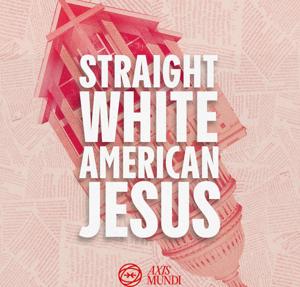

In this episode, Brad Onishi takes on a provocative question: is James Talarico really a “liberal Christian nationalist,” as critics on both the right and left have claimed following his primary victory over Jasmine Crockett? Drawing on the widely cited definition from sociologists Andrew Whitehead and Samuel Perry, the episode breaks down what Christian nationalism actually is: a fusion of Christian and American identity, a belief in divine sanction for political domination, and a moral framework that privileges Christians as uniquely legitimate citizens. Onishi argues that simply being a religious politician—or even using theological language in public debate—does not meet this threshold, pushing back on claims from figures like William Wolfe and C.J. Engel, as well as critiques from scholars like Heath Carter.
Through close analysis of Talarico’s own words and political theology, the episode contends that his emphasis on pluralism, the separation of church and state, and universal human dignity stands in direct opposition to Christian nationalist ideology. Rather than advocating for a theocratic state or privileging Christians above others, Talarico frames his faith as a call to inclusive democracy and care for all neighbors. Onishi warns that labeling figures like Talarico as “Christian nationalists” risks flattening important distinctions and obscuring the anti-democratic aims of actual Christian nationalist movements. The result is a deeper exploration of how faith can show up in politics without undermining democracy—and why precision in our language matters now more than ever.
Learn more about your ad choices. Visit megaphone.fm/adchoices
 View all episodes
 By Bradley Onishi + Daniel Miller

4.7
18951,895 ratings
In this episode, Brad Onishi takes on a provocative question: is James Talarico really a “liberal Christian nationalist,” as critics on both the right and left have claimed following his primary victory over Jasmine Crockett? Drawing on the widely cited definition from sociologists Andrew Whitehead and Samuel Perry, the episode breaks down what Christian nationalism actually is: a fusion of Christian and American identity, a belief in divine sanction for political domination, and a moral framework that privileges Christians as uniquely legitimate citizens. Onishi argues that simply being a religious politician—or even using theological language in public debate—does not meet this threshold, pushing back on claims from figures like William Wolfe and C.J. Engel, as well as critiques from scholars like Heath Carter.
Through close analysis of Talarico’s own words and political theology, the episode contends that his emphasis on pluralism, the separation of church and state, and universal human dignity stands in direct opposition to Christian nationalist ideology. Rather than advocating for a theocratic state or privileging Christians above others, Talarico frames his faith as a call to inclusive democracy and care for all neighbors. Onishi warns that labeling figures like Talarico as “Christian nationalists” risks flattening important distinctions and obscuring the anti-democratic aims of actual Christian nationalist movements. The result is a deeper exploration of how faith can show up in politics without undermining democracy—and why precision in our language matters now more than ever.
Learn more about your ad choices. Visit megaphone.fm/adchoices

9,238 Listeners

3,530 Listeners

87,868 Listeners
12,741 Listeners

2,082 Listeners
5,832 Listeners

8,371 Listeners
51,054 Listeners

2,080 Listeners
1,572 Listeners

16,525 Listeners
9,295 Listeners
98 Listeners

11,013 Listeners

2 Listeners

2,307 Listeners

3,186 Listeners

25 Listeners
16 Listeners

88 Listeners
21 Listeners

207 Listeners
156 Listeners