
Sign up to save your podcasts
Or

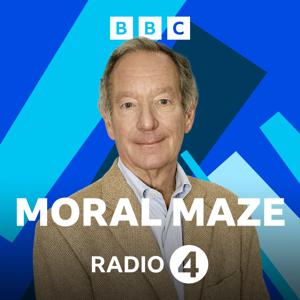

The 2026 World Cup is the biggest in the tournament's history, with 48 teams playing 104 matches across three countries: The United States, Mexico and Canada.
For many, this summer's competition reveals that the game has drifted irreversibly from its working-class roots. Ticket prices are prohibitive for ordinary fans. FIFA's governance has been dogged by corruption scandals. Money and power have thoroughly colonised its institutions. And human rights groups warn this tournament will be a “bonanza of sportswashing”, consciously deployed by a US administration conducting mass deportations of migrants, many of them Latin American, as soft-power cover.
But others argue that markets set prices and fans made their choice. Commercialisation is the price of the game's global reach and football's globalisation has been a democratic force. Free-to-air coverage means the World Cup remains genuinely universal. For supporters of nations qualifying for the first time in decades, this is pure, uncomplicated joy. Some contend that those who weaponise sport for political protest are doing exactly what they accuse Trump of: subordinating the game to an agenda. And if moral purity were the admission criterion, no tournament would ever be staged anywhere.
Is the World Cup morally compromised?
Chair: Michael Buerk
 View all episodes
 By BBC Radio 4

4.6
5151 ratings
The 2026 World Cup is the biggest in the tournament's history, with 48 teams playing 104 matches across three countries: The United States, Mexico and Canada.
For many, this summer's competition reveals that the game has drifted irreversibly from its working-class roots. Ticket prices are prohibitive for ordinary fans. FIFA's governance has been dogged by corruption scandals. Money and power have thoroughly colonised its institutions. And human rights groups warn this tournament will be a “bonanza of sportswashing”, consciously deployed by a US administration conducting mass deportations of migrants, many of them Latin American, as soft-power cover.
But others argue that markets set prices and fans made their choice. Commercialisation is the price of the game's global reach and football's globalisation has been a democratic force. Free-to-air coverage means the World Cup remains genuinely universal. For supporters of nations qualifying for the first time in decades, this is pure, uncomplicated joy. Some contend that those who weaponise sport for political protest are doing exactly what they accuse Trump of: subordinating the game to an agenda. And if moral purity were the admission criterion, no tournament would ever be staged anywhere.
Is the World Cup morally compromised?
Chair: Michael Buerk

7,639 Listeners

876 Listeners

1,046 Listeners
156 Listeners

5,520 Listeners

1,799 Listeners

1,763 Listeners

1,049 Listeners

2,110 Listeners

1,920 Listeners
30 Listeners
43 Listeners

393 Listeners
164 Listeners
43 Listeners
58 Listeners
114 Listeners
684 Listeners

3,177 Listeners

720 Listeners

1,002 Listeners
3,336 Listeners

1,183 Listeners
797 Listeners
45 Listeners