
Sign up to save your podcasts
Or

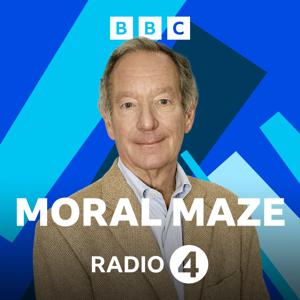

Some of the UK’s national parks saw visitor numbers soar to bank holiday levels over the weekend. The message about social distancing and self-isolation is taking time to sink in. "Life should not feel normal," said the Scottish First Minister, Nicola Sturgeon. If it does, she added, “You should ask if you are doing the right things." The public’s response to these unprecedented times has exemplified the best and the worst of humanity. What, then, does the coronavirus crisis tell us about the fundamental nature of our species? Your answer to that question will depend on whether you agree with the 17th century philosopher Thomas Hobbes that people are naturally disposed to ‘rapine and revenge’; or with the 18th century thinker Jean-Jacques Rousseau that humans are essentially good. The tussle between self-interest and altruism has been part of the human condition since we were decorating caves. Now an ever-tightening lockdown will make life-changing demands on all of us. We are social animals who evolved and adapted to survive in groups, so how well are we equipped to cope with extended periods of self-isolation? Some predict an epidemic of depression and suicides. Others argue that we are far more adept at developing our own inner life than were our ancestors in the ancient world, who saw exile as a fate worse than death. Are we right to be worried about the moral and psychological effects of a prolonged lack of human contact? Or are we more resilient than we think? With Hilda Burke, Andrew Colman, Julia Hartley-Brewer and Mark Vernon.
Producer: Dan Tierney.
 View all episodes
 By BBC Radio 4

4.6
5151 ratings
Some of the UK’s national parks saw visitor numbers soar to bank holiday levels over the weekend. The message about social distancing and self-isolation is taking time to sink in. "Life should not feel normal," said the Scottish First Minister, Nicola Sturgeon. If it does, she added, “You should ask if you are doing the right things." The public’s response to these unprecedented times has exemplified the best and the worst of humanity. What, then, does the coronavirus crisis tell us about the fundamental nature of our species? Your answer to that question will depend on whether you agree with the 17th century philosopher Thomas Hobbes that people are naturally disposed to ‘rapine and revenge’; or with the 18th century thinker Jean-Jacques Rousseau that humans are essentially good. The tussle between self-interest and altruism has been part of the human condition since we were decorating caves. Now an ever-tightening lockdown will make life-changing demands on all of us. We are social animals who evolved and adapted to survive in groups, so how well are we equipped to cope with extended periods of self-isolation? Some predict an epidemic of depression and suicides. Others argue that we are far more adept at developing our own inner life than were our ancestors in the ancient world, who saw exile as a fate worse than death. Are we right to be worried about the moral and psychological effects of a prolonged lack of human contact? Or are we more resilient than we think? With Hilda Burke, Andrew Colman, Julia Hartley-Brewer and Mark Vernon.
Producer: Dan Tierney.

7,913 Listeners

863 Listeners

1,067 Listeners
159 Listeners

5,576 Listeners

1,808 Listeners

1,729 Listeners

1,018 Listeners

2,113 Listeners

1,952 Listeners
32 Listeners
38 Listeners

428 Listeners
159 Listeners
43 Listeners
75 Listeners
108 Listeners
745 Listeners

3,245 Listeners

779 Listeners
1,010 Listeners

3,858 Listeners

1,314 Listeners
851 Listeners
48 Listeners