
Sign up to save your podcasts
Or

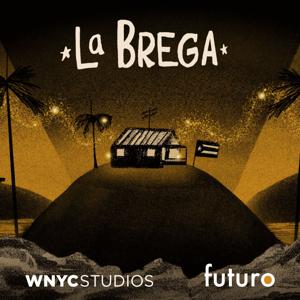


As the island donde hasta la piedras cantan — “where even the rocks sing” — Puerto Rico is home to a dizzying breadth of musical expression. From the lyrical boleristas of the 1930s, to the electric salseros of the ’70s, to the reggaetoneros of today who have taken music from the margins and made it a global sensation, this season takes listeners on an exciting, richly-reported, cross-genre adventure that captures the ceaseless creativity, emotional resonance, and yes, la brega that are hallmarks of Puerto Rican music across eras and formats.
Voices featured in this trailer include: Elena Martínez, José Massó, Gabby Rivera, Afrika Clivillés, Lia Camille Crockett, Bianca Graulau, Omar Alfanno, Ruben Blades, Mireya Ramos, Velcro, Susana Baca, and Alberto “Ringo” Martínez.
This season of La Brega is made possible by the Mellon Foundation.
Want to support our independent journalism? Join Futuro+ for exclusive episodes, sneak peaks and behind-the-scenes chisme on La Brega and all our podcasts: futuro.supportingcast.fm/la-brega-plus
Hosted on Acast. See acast.com/privacy for more information.
Conocida como la isla donde hasta las piedras cantan, Puerto Rico alberga una vertiginosa amplitud de expresión musical. Desde los boleristas líricos de la década de 1930 hasta los salseros eléctricos de los '70 y los reggaetoneros de hoy que han tomado la música de los espacios marginales y la han convertido en una sensación mundial, esta temporada lleva a los oyentes a una emocionante aventura rica en reportajes y cruce de géneros musicales que captura la creatividad incesante, la resonancia emocional y, sí, la brega, que son sellos distintivos de la música puertorriqueña en todas las épocas y formatos.
Las voces que aparecen en este tráiler incluyen: Victor Guys, Bobby Sanabria, Ana Macho, Afrika Clivillés, Lia Camille Crockett, Bianca Graulau, Omar Alfanno, Ruben Blades, Mireya Ramos, Velcro, Susana Baca, y Alberto “Ringo” Martínez.
Esta temporada de La Brega existe gracias a The Mellon Foundation.
Want to support our independent journalism? Join Futuro+ for exclusive episodes, sneak peaks and behind-the-scenes chisme on La Brega and all our podcasts: futuro.supportingcast.fm/la-brega-plus
Hosted on Acast. See acast.com/privacy for more information.
La Brega introduces The Last Cup, a limited series about soccer and the immigrant experience — from NPR and Futuro Studios.
Lionel Messi is known as the best soccer player of his generation, but there’s one dream he’s never achieved: winning a World Cup for Argentina, the country he left decades ago. Reporter Jasmine Garsd asks, what does home mean when you are so far away, for so long?
To listen to the full series in English or Spanish, follow along here or subscribe wherever you get your podcasts.
During the early 1950s, the children of Puerto Rico were invited to an icy winter spectacle. Mayor Felisa Rincón de Gautier, the charismatic mayor of San Juan, arranged for Eastern Airlines to bring a plane-load of snow for a snowball fight in the city. It was a feat that has become legend for a whole generation. But while this winter wonderland came to San Juan free of charge, it wasn't without a cost.
In this special holiday episode of La Brega, we learn how the snow was actually transported to San Juan from Hilda Jimenez, Doña Fela’s assistant. And we hear from some of the people who experienced it up-close. Ignacio Rivera (of the radio program Fuego Cruzado) was 8 years old and threw snowballs; the artist Antonio Martorell remembers that too, but also sees the event as part of Puerto Rico’s troubling colonial relationship with the United States. Seventy years later – when ice is at an even greater premium – journalist and author Ana Teresa Toro says Puerto Rico is still grappling with how to understand that special delivery.
To learn more about Doña Fela, we recommend a visit to the Casa Museo Felisa Rincón de Gautier.
You can learn more about Antonio Martorell in a recent documentary called El Accidente Feliz. His portrait of the mayor is here.
The snowball fight is also the subject of a piece by the artist Sofía Gallisá Muriente, called Lluvia con nieve, now part of Whitney's collection.
Ana Teresa Toro’s new book of poetry is “Flora animal.”
Want to support our independent journalism? Join Futuro+ for exclusive episodes, sneak peaks and behind-the-scenes chisme on La Brega and all our podcasts: futuro.supportingcast.fm/la-brega-plus
Hosted on Acast. See acast.com/privacy for more information.
A principios de la década de los 50, los niños de Puerto Rico fueron invitados a un espectáculo invernal. Felisa Rincón de Gautier, la alcaldesa de San Juan, hizo arreglos para que Eastern Airlines trajera un avión cargado de nieve para formar una pelea de bolas de nieve en la ciudad capital. Esta hazaña se ha convertido en leyenda para toda una generación. Pero, aunque esta maravilla helada fue gratis, no vino libre de costo.
En este episodio especial de La Brega, Hilda Jiménez, la ex asistente de Doña Fela, explica como la nieve llegó a San Juan. Y escuchamos a algunas de las personas que lo experimentaron de primera mano. Ignacio Rivera (del programa radial Fuego Cruzado) tenía 8 años en aquel entonces y recuerda con alegría (o nostalgia?) haber tirado bolas de nieve; mientras que el artista Antonio Martorell también recuerda el evento, pero hoy lo ve como parte de la historia colonial de Puerto Rico con los Estados Unidos. Setenta años después, Puerto Rico todavía está luchando por entender el espectáculo de la nieve. La periodista y autora Ana Teresa Toro nos explica por qué.
Para conocer más sobre Doña Felisa, recomendamos una visita a la Casa Museo Felisa Rincón de Gautier.
Puedes aprender más sobre Antonio Martorell en el documental llamado El Accidente Feliz. Su retrato de la alcaldesa se puede ver aquí.
La pelea de bolas de nieve también es el tema de una pieza de la artista Sofía Gallisá Muriente, llamada 'Lluvia con nieve', ahora parte de la colección del Museo Whitney en Nueva York.
“Flora animal” es el título del nuevo libro de poesía de Ana Teresa Toro.
Want to support our independent journalism? Join Futuro+ for exclusive episodes, sneak peaks and behind-the-scenes chisme on La Brega and all our podcasts: futuro.supportingcast.fm/la-brega-plus
Hosted on Acast. See acast.com/privacy for more information.
Puerto Rico’s relationship with the United States has long been a subject of intense debate. In 1952, Puerto Rico adopted a new status that was meant to decolonize the island. In English, we call it a “Commonwealth.” In Spanish, it’s called “Estado Libre Asociado”, or ELA. Puerto Ricans were promised for decades that this unique status meant they had a special kind of sovereignty while maintaining ties to the US. Now, a series of recent crises on the island have led many to question that promise, and to use the word “colony” more and more. In this episode, political anthropologist and El Nuevo Día columnist Yarimar Bonilla looks for those who still believe in the ELA, and asks what happens when a political project dies.
You can get more resources for related issues at the Puerto Rico Syllabus website.
Want to support our independent journalism? Join Futuro+ for exclusive episodes, sneak peaks and behind-the-scenes chisme on La Brega and all our podcasts: futuro.supportingcast.fm/la-brega-plus
Hosted on Acast. See acast.com/privacy for more information.
La relación que tiene Puerto Rico con los Estados Unidos siempre ha sido un tema de debate intenso. En 1952, Puerto Rico adoptó un nuevo status que prometía descolonizar la isla. En inglés le llama “Commonwealth”. En español, lo llamamos Estado Libre Asociado, o ELA. Por décadas se le prometió a los boricuas que este estatus era único porque les brindaba una autonomía especial junto al beneficio de mantener lazos profundos con Estados Unidos.
Ahora, en medio de crisis tras crisis, más personas están cuestionando esa promesa y usando la palabra colonia para describir la relación política con Estados Unidos.
En este episodio, la antropóloga política y columnista de El Nuevo Día, Yarimar Bonilla busca a las personas que todavía creen en él ELA, mientras se pregunta, ¿qué pasa cuando muere un proyecto político?
Pueden encontrar la pagina web del Puerto Rico Syllabus aqui.
Want to support our independent journalism? Join Futuro+ for exclusive episodes, sneak peaks and behind-the-scenes chisme on La Brega and all our podcasts: futuro.supportingcast.fm/la-brega-plus
Hosted on Acast. See acast.com/privacy for more information.
Luis J. Valentín Ortiz from the Centro de Periodismo Investigativo tells a hidden story from Puerto Rico’s debt crisis, that of the micro-creditors — thousands of low-income retirees and former public employees with claims that the government may never pay, ranging from hundreds to thousands of dollars. As a federal judge prepares to make a decision on whether they’ll get paid, this episode asks: how can the government settle its many debts — not just monetary — with its citizens?
You can read more about micro-creditors in this piece from CPI..
We also recommend this Radio Ambulante episode, produced by Luis Trelles, for more context about the debt crisis.
Want to support our independent journalism? Join Futuro+ for exclusive episodes, sneak peaks and behind-the-scenes chisme on La Brega and all our podcasts: futuro.supportingcast.fm/la-brega-plus
Hosted on Acast. See acast.com/privacy for more information.
El periodista del Centro de Periodismo Investigativo, Luis J. Valentín Ortiz, cuenta la historia de los pequeños acreedores en la quiebra de Puerto Rico — miles de retirados y ex-empleados públicos que reclamaron al Gobierno dinero que quizás nunca recibirán. En momentos en que el tribunal federal se prepara para decidir sobre este tema, este episodio cuestiona: ¿Cómo el Gobierno está atendiendo las deudas que tiene, no solo las monetarias, con sus ciudadanos?
Puedes leer más sobre los acreedores sociales en este artículo del CPI.
Recomendamos este episodio de Radio Ambulante, producido por Luis Trelles, para más contexto sobre la deuda.
Want to support our independent journalism? Join Futuro+ for exclusive episodes, sneak peaks and behind-the-scenes chisme on La Brega and all our podcasts: futuro.supportingcast.fm/la-brega-plus
Hosted on Acast. See acast.com/privacy for more information.
Despite being a U.S. colony, Puerto Rico competes in sports as its own country on the world stage. Since the 70s, Puerto Rico’s national basketball team has been a pride of the island, taking home trophy after trophy. But in the 2004 at the Athens Olympics, the team was up against the odds, with an opening game against a U.S. Dream Team stacked with players like Lebron James and Allen Iverson. Futuro Media’s Julio Ricardo Varela tells the story of a basketball game that Puerto Ricans will never forget, and why he thinks now, more than ever, is a crucial moment to remember it.
The documentary "Nuyorican Basquet" is here.
If you want to see the famous photo of Carlos Arroyo, click here.
To read more about sovereignty and sports, we recommend The Sovereign Colony: Olympic Sport, National Identity, and International Politics in Puerto Rico, by Antonio Sotomayor.
Want to support our independent journalism? Join Futuro+ for exclusive episodes, sneak peaks and behind-the-scenes chisme on La Brega and all our podcasts: futuro.supportingcast.fm/la-brega-plus
Hosted on Acast. See acast.com/privacy for more information.
From the publisher's feed
Hosted on Acast. See acast.com/privacy for more information.
692 Listeners
3,780 Listeners

1,886 Listeners
14,658 Listeners
4,432 Listeners
288 Listeners

4,178 Listeners
184 Listeners

748 Listeners

56,435 Listeners
10,263 Listeners

770 Listeners
849 Listeners

5,549 Listeners
216 Listeners

15,917 Listeners
1,554 Listeners
671 Listeners
188 Listeners