
Sign up to save your podcasts
Or

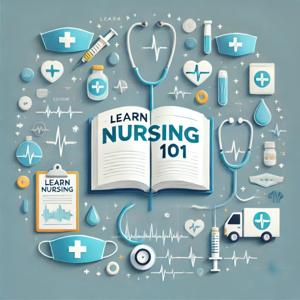


In this Advanced Med-Surg episode, we review ATI Chapter 4, which focuses on neurologic diagnostic procedures used to assess brain structure, cerebral blood flow, electrical activity, and overall neurologic function. This episode walks through common neurologic assessments and imaging studies, including cerebral angiography, CT scans, EEGs, Glasgow Coma Scale scoring, lumbar punctures, MRI, PET and SPECT scans, and radiographic imaging. Emphasis is placed on nursing responsibilities before, during, and after each procedure, including informed consent, patient preparation, safety considerations, and complication monitoring. You’ll hear detailed explanations of contrast use, sedation considerations, positioning, and post-procedure assessments, as well as key patient education points that frequently appear on exams. This review is designed to help nursing students confidently prepare patients for neurologic procedures, recognize complications early, and apply evidence-based nursing care in both acute and diagnostic settings.
Source: All information in this podcast is based on ATI Advanced Medical-Surgical Nursing, Chapter 4
In this Week 3 episode, we break down alterations in cardiac function with a focused review of perfusion and its impact on critically ill patients. The discussion walks through core cardiovascular concepts including cardiac output, preload, afterload, and mean arterial pressure, then builds into clinical applications such as hemodynamic monitoring, angiography, and invasive cardiovascular procedures. You’ll hear a clear review of dysrhythmia recognition, ECG interpretation, cardioversion and defibrillation, pacemakers and ICDs, and the nursing priorities surrounding acute coronary syndromes. The episode also connects coronary artery disease, myocardial infarction, aneurysms, and aortic dissections to real-world assessment findings, diagnostics, and evidence-based nursing interventions. This review is designed to reinforce clinical judgment, prioritization, and safety for managing patients with compromised cardiac perfusion in high-acuity settings.
All information sourced from: Alterations to Cardiac Function – Week 3 Lecture (ATI-aligned course content)
In this Advanced Med-Surg episode, we review ATI Chapter 39, which focuses on aneurysms and aortic dissections, including their pathophysiology, risk factors, and clinical management. We’ll review the differences between aneurysms, which involve dilation of the arterial wall, and dissections, which result from a tear in the inner lining of the vessel. The episode highlights major risk factors such as hypertension and atherosclerosis, along with key assessment findings that may signal impending rupture. You’ll also hear an overview of diagnostic imaging, including CT scans and ultrasound, used to monitor aneurysm size and progression. Nursing priorities related to strict blood pressure control, pain management, and preparation for surgical repair using grafts are emphasized throughout. This episode provides an exam-focused review to help nursing students recognize vascular emergencies early and apply evidence-based interventions to prevent catastrophic complications.
Source: All information in this podcast is based on ATI Advanced Medical-Surgical Nursing, Chapter 39
In this Advanced Med-Surg episode, we review ATI Chapter 30, which focuses on pacemakers and implantable cardioverter/defibrillators (ICDs) used to manage cardiac rhythm disturbances. We’ll review the purpose and function of temporary and permanent pacing devices, including pulse generators, leads, and sensing mechanisms. The episode emphasizes key nursing responsibilities such as monitoring cardiac rhythms for pacer spikes and capture, assessing surgical sites for infection or hematoma, and identifying device malfunction. You’ll also hear essential patient education topics, including activity restrictions, incision care, and precautions related to magnetic fields and electronic devices. This episode provides an exam-ready review to help nursing students safely monitor, manage, and educate patients with cardiac pacing and defibrillation devices.
Source: All information in this podcast is based on ATI Advanced Medical-Surgical Nursing, Chapter 30
In this Advanced Med-Surg episode, we review ATI Chapter 29, which focuses on electrocardiography and the nursing management of cardiac dysrhythmias. We’ll break down how ECGs are used to monitor the heart’s electrical activity and identify ischemia, injury, and rhythm disturbances. The episode reviews common cardiac monitoring methods, including bedside ECG monitoring, continuous telemetry, and Holter monitoring, with emphasis on appropriate lead placement and rhythm interpretation. You’ll also hear an overview of life-threatening dysrhythmias and the emergency interventions required to manage them, including defibrillation, synchronized cardioversion, and the use of temporary or permanent pacemakers. Priority nursing responsibilities such as rhythm recognition, patient safety, and rapid intervention are emphasized throughout. This episode provides an exam-ready review to help nursing students confidently monitor cardiac rhythms and respond to dysrhythmias in acute care settings.
Source: All information in this podcast is based on ATI Advanced Medical-Surgical Nursing, Chapter 29
In this Advanced Med-Surg episode, we review ATI Chapter 28, which focuses on cardiovascular diagnostic and therapeutic procedures used to assess cardiac function, perfusion, and hemodynamic stability. We’ll review key diagnostic tools such as cardiac enzyme testing, echocardiograms, and stress testing, with an emphasis on what abnormal findings indicate and how nurses monitor patients before and after testing. The episode also covers invasive and noninvasive hemodynamic monitoring, as well as angiography to evaluate coronary circulation and vascular blockages. You’ll hear an overview of therapeutic access devices, including vascular access devices such as PICC lines and implanted ports, along with essential nursing responsibilities related to insertion, maintenance, and complication prevention. This episode provides a focused, exam-ready review to help nursing students safely manage cardiovascular procedures and apply evidence-based cardiac care.
Source: All information in this podcast is based on ATI Advanced Medical-Surgical Nursing, Chapter 28
In this Advanced Med-Surg Week 2 lecture review, we take a deeper dive into the respiratory system and the advanced nursing care required to maintain effective oxygenation and ventilation. This episode focuses on how gas exchange is assessed through arterial blood gases and oxygen saturation monitoring, and how those findings guide clinical decision-making. We’ll review escalating levels of respiratory support, including oxygen therapy, non-invasive ventilation such as CPAP and BiPAP, and mechanical ventilation for patients in respiratory failure.
You’ll also hear a focused discussion on critical nursing responsibilities, including chest tube management, prevention of ventilator-associated pneumonia through consistent oral care, and the safe use and titration of sedation to support ventilated patients. Emphasis is placed on recognizing early signs of respiratory deterioration, preventing complications, and applying evidence-based interventions in high-acuity settings. This episode is designed to help nursing students connect Week 2 lecture concepts with real-world critical care practice and exam expectations.
Source: All information in this podcast is based on Week 2 Advanced Med-Surg Lecture Notes
In this Week 1 Advanced Med-Surg episode, we break down the core concepts introduced in the first lecture and connect them directly to high-yield ATI content reviewed throughout the week. This episode focuses on emergency nursing priorities, including triage systems, rapid decision-making, and the primary survey using the ABCDE framework to identify and intervene in life-threatening conditions. We’ll walk through critical emergencies such as heat- and cold-related injuries, submersion injuries, bites, stings, and poisonings, with an emphasis on early stabilization before definitive diagnosis.
You’ll also hear an integrated review of respiratory and cardiac emergencies, including ventilation versus oxygenation, chest trauma, cardiac rhythms, and ACLS priorities. Key physiologic concepts such as shock, mean arterial pressure, fluid shifts, acid-base balance, and electrolyte disturbances are explained in a clinical, exam-focused way. The episode concludes with an introduction to critical care nursing concepts, including vasopressor use, hemodynamic monitoring, and the importance of combining technology with hands-on assessment. This episode is designed to help nursing students understand how Week 1 lecture content forms the foundation for advanced clinical judgment in high-acuity settings.
Source: All information in this podcast is based on Week 1 Advanced Med-Surg Lecture Notes
In this Advanced Med-Surg episode, we review ATI Chapter 46, which focuses on acid-base imbalances and how the body maintains physiologic homeostasis through chemical, respiratory, and renal buffering systems. We’ll break down the mechanisms of compensation, explaining how the lungs regulate carbon dioxide and how the kidneys manage bicarbonate to stabilize arterial pH. The episode reviews the four primary acid-base disorders—respiratory acidosis, respiratory alkalosis, metabolic acidosis, and metabolic alkalosis—highlighting their causes, clinical manifestations, and priority nursing interventions. You’ll also hear a step-by-step approach to interpreting arterial blood gas results to accurately identify each imbalance. Potential complications, including respiratory arrest, dysrhythmias, and altered level of consciousness, are emphasized throughout. This episode provides an exam-ready framework to help nursing students assess, monitor, and manage acid-base disturbances safely and effectively.
Source: All information in this podcast is based on ATI Advanced Medical-Surgical Nursing, Chapter 46
In this Advanced Med-Surg episode, we review ATI Chapter 27, which focuses on respiratory failure and related critical conditions, including acute respiratory failure, acute respiratory distress syndrome (ARDS), and SARS-CoV-2–associated respiratory complications. We’ll review key pathophysiologic changes that impair gas exchange, along with major risk factors such as advanced age, chronic illness, and prolonged hypoxemia. The episode emphasizes priority diagnostic findings, including arterial blood gas interpretation and imaging studies. You’ll also hear an in-depth review of nursing interventions such as mechanical ventilation strategies, PEEP management, patient positioning, and the use of medications including neuromuscular blockers and antivirals. Potential complications such as barotrauma, ventilator-associated infections, and hemodynamic instability are addressed throughout. This episode provides an exam-focused review to help nursing students recognize respiratory failure early and deliver safe, evidence-based critical care.
Source: All information in this podcast is based on ATI Advanced Medical-Surgical Nursing, Chapter 27
From the publisher's feed
Ranked by our users in the last 21 days

1,243 Listeners
559 Listeners

730 Listeners

99,661 Listeners
692 Listeners

25,719 Listeners
257 Listeners
184 Listeners

296 Listeners
449 Listeners

1,134 Listeners
569 Listeners

327 Listeners

3,109 Listeners

57 Listeners