
Sign up to save your podcasts
Or

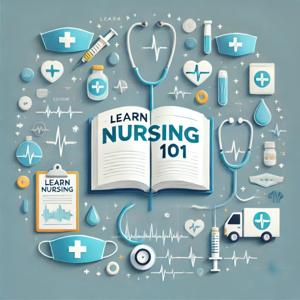


In this Advanced Med-Surg episode, we review ATI Chapter 26, which focuses on the assessment and management of acute thoracic injuries, including pneumothorax, hemothorax, and flail chest. We’ll review how trauma or underlying pathology can lead to lung collapse, impaired ventilation, or chest wall instability, with particular emphasis on the rapid recognition and treatment of tension pneumothorax. The episode highlights priority nursing assessments such as respiratory distress, asymmetrical chest movement, diminished or absent breath sounds, and changes in oxygenation. You’ll also hear an overview of key medical and nursing interventions, including chest tube placement, thoracentesis, mechanical ventilation, and pain management strategies using analgesics and sedatives. Patient-centered care and discharge education are emphasized to support recovery and prevent complications. This episode provides an exam-ready review to help nursing students recognize life-threatening thoracic conditions and deliver timely, evidence-based care.
Source: All information in this podcast is based on ATI Advanced Medical-Surgical Nursing, Chapter 26
In this Advanced Med-Surg episode, we review ATI Chapter 25, which focuses on the assessment and management of pulmonary embolism, a life-threatening cardiovascular and respiratory emergency. We’ll review major risk factors such as surgery, prolonged immobility, pregnancy, and hypercoagulable states, with special attention to increased risk in older adults and certain post-COVID patients. The episode covers priority diagnostic studies including CT pulmonary angiography and ventilation–perfusion scans, along with key laboratory findings. You’ll also hear an overview of pharmacologic management with anticoagulants and thrombolytic therapy, as well as nursing responsibilities related to oxygen administration, respiratory and hemodynamic monitoring, and prevention of bleeding complications. Preventive strategies, patient education, and advanced interventions such as embolectomy are emphasized throughout. This episode provides an exam-ready review to help nursing students recognize pulmonary embolism early and deliver safe, evidence-based care.
Source: All information in this podcast is based on ATI Advanced Medical-Surgical Nursing, Chapter 25
In this Advanced Med-Surg episode, we review ATI Chapter 20, which focuses on respiratory management and the use of mechanical ventilation to support oxygenation and airway patency. We’ll break down supplemental oxygen delivery systems, including nasal cannulas, simple masks, nonrebreather masks, and Venturi masks, with an emphasis on appropriate selection and nursing monitoring. The episode also covers advanced airway management, including endotracheal intubation and mechanical ventilation, reviewing common ventilator modes, settings, and alarms. You’ll hear priority nursing actions related to recognizing early and late signs of respiratory distress, preventing complications such as oxygen toxicity, skin breakdown, and ventilator-associated infections, and ensuring patient safety in both acute and chronic care settings. This episode provides a clear, exam-focused review to help nursing students manage respiratory failure and deliver evidence-based respiratory care.
Source: All information in this podcast is based on ATI Advanced Medical-Surgical Nursing, Chapter 20
In this Advanced Med-Surg episode, we review ATI Chapter 19, which focuses on chest tube insertion and the ongoing nursing management required to maintain effective lung expansion. We’ll break down the purpose of chest tubes and how they restore normal intrathoracic pressure by removing air, blood, or fluid from the pleural space. The episode reviews the components and function of three-chamber drainage systems, including collection chambers, water seals, and suction control. You’ll also hear key nursing responsibilities related to patient safety, such as maintaining proper system positioning, monitoring for air leaks, assessing drainage, and identifying complications. The episode concludes with nursing considerations for chest tube insertion, troubleshooting, and safe removal. This review provides a clear, exam-focused approach to chest tube management and patient monitoring.
Source: All information in this podcast is based on ATI Advanced Medical-Surgical Nursing, Chapter 19
In this Advanced Med-Surg episode, we review ATI Chapter 18, which focuses on respiratory diagnostic and therapeutic procedures used to evaluate lung function and airway integrity. We’ll walk through key diagnostic tests such as pulmonary function testing and arterial blood gas analysis, including how results are interpreted and what abnormal findings may indicate. The episode also covers invasive procedures like bronchoscopy and thoracentesis, with an emphasis on nursing responsibilities before, during, and after each intervention. You’ll hear priority safety considerations, including informed consent, monitoring for complications such as pneumothorax, and essential patient education. This episode provides a clear, exam-focused review to help nursing students apply evidence-based care and ensure patient safety during respiratory procedures.
Source: All information in this podcast is based on ATI Advanced Medical-Surgical Nursing, Chapter 18
In this Advanced Med-Surg episode, we review ATI Chapter 3, which focuses on the principles and management strategies essential to emergency nursing practice. We’ll walk through the triage process, including three-level and five-level systems, and how nurses prioritize care based on acuity and available resources. The episode emphasizes the primary survey using the ABCDE framework to rapidly identify and manage life-threatening conditions. You’ll also hear an overview of emergency care management for environmental injuries, toxic exposures, cardiac emergencies, and psychiatric crises, along with the role of standard precautions and evidence-based interventions. This episode provides a focused, exam-ready review to help nursing students strengthen clinical judgment and deliver safe, effective care in high-pressure emergency settings.
Source: All information in this podcast is based on ATI Advanced Medical-Surgical Nursing, Chapter 3
In this Pediatrics final review episode, we bring together high-yield pediatric nursing concepts across multiple body systems to support exam preparation and clinical readiness. We’ll review priority assessment findings, diagnostic indicators, and emergency interventions for gastrointestinal, renal, and neurologic conditions, including appendicitis, meningitis, and increased intracranial pressure. You’ll also hear key nursing safety considerations such as seizure precautions, cast care, prevention of skin infections, and early recognition of compartment syndrome. Developmental considerations and nutritional needs for infants, toddlers, and school-age children are integrated throughout to reinforce age-appropriate care. This episode provides a comprehensive, exam-focused review designed to help nursing students identify life-threatening complications and apply evidence-based pediatric nursing interventions with confidence.
Source: All information in this podcast is based on Pediatric Nursing Final Review Study Guide
In this Pediatrics episode, we walk through Chapter 28, which focuses on endocrine dysfunction in infants, children, and adolescents and how hormonal imbalances affect growth, metabolism, fluid balance, and development. We’ll review disorders of the pituitary, thyroid, adrenal, parathyroid, and pancreatic glands, including growth hormone abnormalities, precocious puberty, diabetes insipidus, SIADH, hypothyroidism, hyperthyroidism, and disorders of calcium regulation. You’ll also hear an overview of key assessment findings, diagnostic studies, and nursing priorities such as growth monitoring, fluid and electrolyte management, medication administration, and family education. This episode provides a detailed, exam-focused review to help nursing students recognize endocrine disorders early and provide safe, developmentally appropriate care.
Source: All information in this podcast is based on Wong’s Essentials of Pediatric Nursing, Chapter 28
In this Pediatrics episode, we walk through Chapter 27, which focuses on cerebral dysfunction in infants and children and the impact of neurologic injury on consciousness, intracranial pressure, and overall neurologic function. We’ll review normal brain physiology, causes of increased intracranial pressure, and early versus late signs of neurologic deterioration across different age groups. You’ll also hear an overview of neurologic assessment, including level of consciousness, pupil response, motor function, posturing, and use of tools such as the pediatric Glasgow Coma Scale. Nursing priorities related to airway management, prevention of secondary brain injury, intracranial pressure monitoring, and family support are emphasized throughout. This episode provides a detailed, exam-focused review to help nursing students recognize cerebral compromise and deliver safe, evidence-based pediatric neurologic care.
Source: All information in this podcast is based on Wong’s Essentials of Pediatric Nursing, Chapter 27
In this Pediatrics episode, we walk through Chapter 26, which focuses on genitourinary dysfunction in infants and children, including disorders affecting the kidneys, ureters, bladder, and urethra. We’ll review assessment of renal and urinary function, common laboratory and diagnostic studies, and key nursing responsibilities such as intake and output monitoring, blood pressure assessment, and specimen collection. You’ll also hear an overview of common genitourinary conditions, including urinary tract infections, vesicoureteral reflux, obstructive uropathies, and congenital anomalies such as hypospadias, cryptorchidism, and bladder exstrophy. This episode provides a detailed, exam-focused review to help nursing students recognize genitourinary disorders and apply appropriate nursing care to protect renal function and support children and their families.
Source: All information in this podcast is based on Wong’s Essentials of Pediatric Nursing, Chapter 26
From the publisher's feed
Ranked by our users in the last 21 days

1,243 Listeners
559 Listeners

730 Listeners

99,661 Listeners
692 Listeners

25,719 Listeners
257 Listeners

184 Listeners

296 Listeners
449 Listeners

1,134 Listeners

569 Listeners

327 Listeners

3,109 Listeners

57 Listeners