
Sign up to save your podcasts
Or

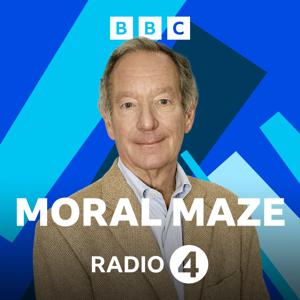

The centenary of the end of the First World War this weekend is a significant moment for collective moral reflection. What is the point of remembering the fallen? Is it to make a solemn vow that we will not let their sacrifice turn out to have been in vain and that we will fight to hold onto the freedoms they fought to defend? Or is it formal commitment that we will not repeat the mistakes of the past and that we will never again send our young men to die uselessly for a cause they do not understand? We can all accept that the rituals and symbols of remembrance say a lot about the values and shared emotions of our nation in the 21st century, but do they express the best or the worst of our nationhood? History and psychology teach us that we are bad at learning from our mistakes. Maybe that’s because remembrance, according to critics, sentimentalises the past, sugar-coating history with the politics of the present, reinforcing nationalism rather than national togetherness. Maybe, in many corners of our grieving and grudgeful planet, there is a moral case for forgetting. That view - reply the crowds who lined the streets of Wootton Bassett to welcome home the heroes of Helmand - is unpatriotic rubbish. Meanwhile the armed forces are seeing their biggest personnel shortage in a decade. The Chief Of Defence Staff, General Sir Nick Carter recently questioned whether today’s young people understand the "notion of service". If that’s true, should we welcome their independence of mind, or deplore their lack of loyalty? If it does nothing else, perhaps the act of remembrance serves to remind us of the virtue of sacrifice and that millions of people once rallied to a cause they believed to be greater than themselves.
Producer: Dan Tierney
 View all episodes
 By BBC Radio 4

4.6
5151 ratings
The centenary of the end of the First World War this weekend is a significant moment for collective moral reflection. What is the point of remembering the fallen? Is it to make a solemn vow that we will not let their sacrifice turn out to have been in vain and that we will fight to hold onto the freedoms they fought to defend? Or is it formal commitment that we will not repeat the mistakes of the past and that we will never again send our young men to die uselessly for a cause they do not understand? We can all accept that the rituals and symbols of remembrance say a lot about the values and shared emotions of our nation in the 21st century, but do they express the best or the worst of our nationhood? History and psychology teach us that we are bad at learning from our mistakes. Maybe that’s because remembrance, according to critics, sentimentalises the past, sugar-coating history with the politics of the present, reinforcing nationalism rather than national togetherness. Maybe, in many corners of our grieving and grudgeful planet, there is a moral case for forgetting. That view - reply the crowds who lined the streets of Wootton Bassett to welcome home the heroes of Helmand - is unpatriotic rubbish. Meanwhile the armed forces are seeing their biggest personnel shortage in a decade. The Chief Of Defence Staff, General Sir Nick Carter recently questioned whether today’s young people understand the "notion of service". If that’s true, should we welcome their independence of mind, or deplore their lack of loyalty? If it does nothing else, perhaps the act of remembrance serves to remind us of the virtue of sacrifice and that millions of people once rallied to a cause they believed to be greater than themselves.
Producer: Dan Tierney

7,913 Listeners

863 Listeners

1,067 Listeners

159 Listeners

5,576 Listeners

1,808 Listeners

1,729 Listeners

1,018 Listeners
2,113 Listeners

1,952 Listeners
32 Listeners
38 Listeners

428 Listeners

159 Listeners
43 Listeners
75 Listeners
108 Listeners
745 Listeners

3,245 Listeners
779 Listeners
1,010 Listeners

3,858 Listeners

1,314 Listeners
851 Listeners
48 Listeners