
Sign up to save your podcasts
Or

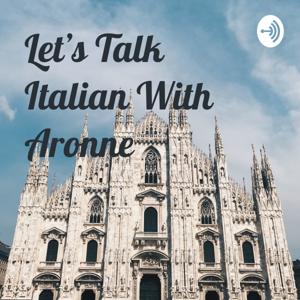


Ciao ragazzi! Bentornati nel mio podcast! Nella puntata di oggi, vi insegnerò ad utilizzare in maniera corretta i verbi "piacere", "bastare" e "servire" in una frase. Nello specifico, prenderò come esempio principale il verbo "piacere”. Dovete sapere, che tutte le informazioni che vi dirò in questo episodio possono essere applicate anche a tutti gli altri verbi che funzionano come "piacere”, ad esempio i verbi come: "bastare" e” servire". Nel corso dell’episodio farò moltissimi esempi, ve li trascriverò tutti nella descrizione di questo episodio! Buon ascolto!
-
Hi guys! Welcome back to my podcast! In today's episode, I'll teach you how to use correctly the verbs "Piacere", "Bastare" e "Servire" in a sentence. I'll take the verb "pleasure" as the main example. You must know, that all the information you'll hear in this episode can also be applied to all other verbs that work as "Piacere", for example verbs like: "Bastare" e "Servire". During the episode you'll hear a lot of examples, I'll report them in the description of this episode, take a look! Have a good time listening!
Examples with “Piacere”:
- Mi piace la pizza
- Mi piace ballare
- Mi piace il caffè
- Mi piacciono le torte
- Mi piace che tu venga a trovarmi spesso
- Non mi piace che tu venga a trovarmi spesso
- Mi piace come hai arredato la stanza
- Non mi piace come hai arredato la stanza
Examples with “Bastare”:
- Basta salare l’acqua
- Basta un po’ di sale
- Bastano gli ingredienti che abbiamo
- Basta che tu venga a trovarmi spesso
- Non basta che tu venga a trovarmi spesso
- Mi basta quello che hai già detto
- Non mi basta quello che hai già fatto
Examples with “Servire”:
- Mi serve una penna
- Serve studiare per andare avanti
- Ci servono I quaderni per la lezione
- Serve che tu vada al supermercato
- Non serve che tu vada al supermercato
- Le serve quello che hai scritto
- Non le serve quello che hai scritto
YouTube:
https://www.youtube.com/channel/UCAFdvNIGqBP9y7ggBRjfotQ
Anchor:
https://anchor.fm/letstalkitalian
Spotify:
https://open.spotify.com/show/5hJLzjWmfpRuxEGKLbu8r7
Apple Podcasts:
https://podcasts.apple.com/us/podcast/lets-talk-italian-with-aronne/id1498382139?uo=4
Google Podcasts:
https://www.google.com/podcasts?feed=aHR0cHM6Ly9hbmNob3IuZm0vcy8xMjZmNmY2NC9wb2RjYXN0L3Jzcw==
Let's keep in touch on HelloTalk @Aron.95
Ciao ragazzi! Bentornati nel mio podcast! Nella puntata di oggi, parleremo di come la parola “Ormai” viene utilizzata in italiano. Per molti studenti, questa parola risulta un po' complicata da comprendere e da utilizzare. Anche “Ormai”, come le altre parole che vi ho spiegato nei podcast precedenti, viene utilizzata spesso nelle conversazioni di tutti i giorni. Per questo motivo, ho deciso di affrontare questo argomento! In questo episodio sentirete moltissimi esempi. Mentre ascoltate il podcast, prendete nota! Come sempre, vi trascriverò tutti gli esempi nella descrizione di questo episodio, dateci un’occhiata! Buon ascolto!
-
Hi guys! Welcome back to my podcast! In today's episode, we'll talk about how the word "Ormai" is used in Italian. For many students, this word is a little tricky to understand and use. Even "Ormai", like the other words I explained to you in previous podcasts, is also often used in everyday conversations. For this reason, I decided to discuss this topic with you! During the episode you'll hear a lot of examples, I suggest you to take note! I'll report them in the description of this episode, take a look! Have a good time listening!
Examples:
- “Ormai” è tardi per scusarsi
- “Adesso” è tardi per scusarsi
- “A questo punto” è tardi per scusarsi
- Mancano solo due lezioni alla fine del corso, “ormai” non ci si può più iscrivere
- Mancano solo due lezioni alla fine del corso, “adesso” è troppo tardi per iscriversi
- “A questo punto”, visto che mancano solo due lezioni alla fine del corso, non ci si può più iscrivere
- Ti avevo chiesto d’incontrarci alle 15 (3 pm), “ormai” sono le 18 (6 pm) e non mi va più di uscire
- Ti avevo chiesto d’incontrarci alle 15 (3pm), “adesso” sono le 18 (6pm) e non mi va più di uscire
YouTube:
https://www.youtube.com/channel/UCAFdvNIGqBP9y7ggBRjfotQ
Anchor:
https://anchor.fm/letstalkitalian
Spotify:
https://open.spotify.com/show/5hJLzjWmfpRuxEGKLbu8r7
Apple Podcasts:
https://podcasts.apple.com/us/podcast/lets-talk-italian-with-aronne/id1498382139?uo=4
Google Podcasts:
https://www.google.com/podcasts?feed=aHR0cHM6Ly9hbmNob3IuZm0vcy8xMjZmNmY2NC9wb2RjYXN0L3Jzcw==
Let's keep in touch on HelloTalk @Aron.95
Ciao ragazzi! Bentornati nel mio podcast! Nella puntata di oggi, parleremo di come l’avverbio “Addirittura” viene utilizzato in italiano. Sono sicuro che l'avete già sentito perché è una di quelle parole che noi italiani utilizziamo sempre, è un po’ come: "Allora", "Addirittura", "Mi raccomando". Sono tutte parole che sono un po' difficili da capire e da utilizzare perché hanno un significato idiomatico. Per questo motivo, ho deciso di affrontare con voi questo argomento! Anche in questo episodio sentirete moltissimi esempi, mentre ascoltate prendete nota! Per aiutarvi, ve li trascriverò nella descrizione di questo episodio! Dateci un’occhiata! Buon ascolto!
-
Hi guys! Welcome back to my podcast! In today's episode, I'll talk about how the adverb "Addirittura" is used in Italian. I'm sure you've already heard it because it's one of those words that Italians always use, it's like: "Allora", "Addirittura", "Mi raccomando". These are all words that are a bit difficult to understand and use because they have an idiomatic meaning. For this reason, I decided to discuss this topic with you! During the episode you'll hear a lot of examples, I suggest you to take note! I'll report them in the description of this episode, take a look! It will help you better understand today's topic! Have a good time listening!
Examples:
- “Ti è piaciuto il film di ieri sera?”
- “Un sacco! Mi ha emozionato tantissimo! Ero così eccitato che alla fine del film ho addirittura pianto”.
- “Ma sei andato da solo al cinema?”
- “No, c’erano tutti i miei amici e addirittura i miei genitori!”
- “Lo sai che oggi ho corso per 10 chilometri?”
- “Addirittura! Come hai fatto? A me viene il fiatone dopo un paio di chilometri…”
- “Sai che oggi ho comprato un vestito in saldo? Pensa che da 25€ l’ho pagato solo 23€!”
- “Addirittura! Questo sì che è un’affare!”.
YouTube:
https://www.youtube.com/channel/UCAFdvNIGqBP9y7ggBRjfotQ
Anchor:
https://anchor.fm/letstalkitalian
Spotify:
https://open.spotify.com/show/5hJLzjWmfpRuxEGKLbu8r7
Apple Podcasts:
https://podcasts.apple.com/us/podcast/lets-talk-italian-with-aronne/id1498382139?uo=4
Google Podcasts:
https://www.google.com/podcasts?feed=aHR0cHM6Ly9hbmNob3IuZm0vcy8xMjZmNmY2NC9wb2RjYXN0L3Jzcw==
Let's keep in touch on HelloTalk @Aron.95
Ciao ragazzi! Bentornati nel mio podcast! Nella puntata di oggi, vi insegnerò come utilizzare e tradurre “Could, Would, Should“ in italiano. Dovete sapere che a differenza dell’inglese, la dicitura "verbo modale" in italiano non esiste, in italiano si parla di "modi verbali". Come tutti sappiamo, questi verbi servono a modulare il significato del verbo che segue. Nel corso dell’episodio sentirete moltissimi esempi, li potrete ritrovare trascritti anche nella descrizione di questo episodio. Buon ascolto!
-
Hi guys! Welcome back to my podcast! In today's episode, I'll teach you how to use and translate "Could, Would, Should" into Italian. You should know that unlike English, in Italian the word "modal verbs" doesn't exist, in Italian we speak about "verb tenses". As we all know, these verbs serve to modulate the meaning of the verb that follows. During the episode you'll hear many examples, I'll report them in the description of this episode, take a look! Have a good time listening!
Modal Verbs:
- Could (Potere)
- Would (Piacere o Volere)
- Should (Dovere)
Examples with “Could”:
- Potrei uscire a fare una passeggiata, visto che ho una mezz'ora libera (I could go out for a walk since I have half an hour free) - Present
- Sarei potuto/a uscire, visto che ho una mezz'ora libera (I could have gone out since I have half an hour free) - Past
Examples with “Would”:
- Ti piacerebbe andare al mare? (would you like to go to the beach?) - Present
- Ti sarebbe piaciuto andare al mare? (would you have liked to go to the beach?) - Past
Examples with “Should”:
- Dovresti andare, è tardi! (You should go, it's late!) - Present
- Saresti dovuto/a andare alla festa (You should have gone to the party) - Past
YouTube:
https://www.youtube.com/channel/UCAFdvNIGqBP9y7ggBRjfotQ
Anchor:
https://anchor.fm/letstalkitalian
Spotify:
https://open.spotify.com/show/5hJLzjWmfpRuxEGKLbu8r7
Apple Podcasts:
https://podcasts.apple.com/us/podcast/lets-talk-italian-with-aronne/id1498382139?uo=4
Google Podcasts:
https://www.google.com/podcasts?feed=aHR0cHM6Ly9hbmNob3IuZm0vcy8xMjZmNmY2NC9wb2RjYXN0L3Jzcw==
Let's keep in touch on HelloTalk @Aron.95
Ciao ragazzi! Bentornati nel mio podcast! Nella puntata di oggi, vi insegnerò come esprimere il vostro entusiasmo per qualcosa, che sia un viaggio, un evento, un concerto o qualunque altra cosa. Nel corso dell’episodio sentirete moltissimi esempi, vi consiglio di prendere nota. Li potrete ritrovare trascritti anche nella descrizione di questo episodio. Dateci un’occhiata, vi aiuterà a comprendere al meglio l’argomento di oggi! Buon ascolto!
-
Hi guys! Welcome back to my podcast! In today's episode, I'll teach you how to express your enthusiasm for something. A trip, an event, a concert or anything else. During the episode you'll hear many examples, I suggest you to take note! I'll report them in the description of this episode, take a look! It will help you better understand today's topic! Have a good time listening!
Terms to express excitement:
- Essere entusiasti
- Essere emozionati
- Essere eccitati
- Essere contenti
- Non vedere l’ora di…
Examples:
- Sono entusiasta di andare al concerto
- Sono entusiasta di partire
- Sono entusiasta di andare alla festa
- Sono emozionato/a di andare al concerto
- Sono emozionato/a di partire
- Sono emozionato/a di andare alla festa
- Sono eccitato/a sessualmente
- Il caffè mi rende eccitato/a = Il caffè mi rende agitato/a
- Sono contento/a di partire
- Non vedo l'ora di partire
YouTube:
https://www.youtube.com/channel/UCAFdvNIGqBP9y7ggBRjfotQ
Anchor:
https://anchor.fm/letstalkitalian
Spotify:
https://open.spotify.com/show/5hJLzjWmfpRuxEGKLbu8r7
Apple Podcasts:
https://podcasts.apple.com/us/podcast/lets-talk-italian-with-aronne/id1498382139?uo=4
Google Podcasts:
https://www.google.com/podcasts?feed=aHR0cHM6Ly9hbmNob3IuZm0vcy8xMjZmNmY2NC9wb2RjYXN0L3Jzcw==
Let's keep in touch on HelloTalk @Aron.95
Ciao ragazzi! Bentornati nel mio podcast! Nella puntata di oggi, sentirete alcune semplici frasi per principianti. Se hai appena iniziato a studiare l’italiano, questo è l’episodio che fa per te! Vi elencherò delle semplici espressioni che potete utilizzare nelle conversazioni di tutti i giorni. Come sempre, per aiutarvi con la comprensione ve le riporterò nella descrizione di questo episodio. Dateci un’occhiata! Buon ascolto!
-
Hi guys! Welcome back to my podcast! In today's episode, you'll hear some simple italian phrases for complete beginners. If you have just started studying Italian, this episode is for you! I'll list some simple expressions that you can use in everyday conversations. As always, to help you understand I'll report them in the description of this episode. Take a look! Have a good time listening!
Basic Italian Phrases You Must-Know:
- Buongiorno (Good Morning)
- Come ti chiami? (What’s your name?)
- Mi chiamo + Name / Sono + Name (My name is… / I’m…)
- Piacere (Nice to meet you)
- Grazie / Grazie mille (Thank you / Thank you very much)
- Prego (You’re welcome)
- Di dove sei? (Where are you from)
- Per favore (Please)
- Come stai? (inf.) / Come sta? (form.) (How are you)
- Bene grazie, e tu? (I’m good thanks, and you?)
YouTube:
https://www.youtube.com/channel/UCAFdvNIGqBP9y7ggBRjfotQ
Anchor:
https://anchor.fm/letstalkitalian
Spotify:
https://open.spotify.com/show/5hJLzjWmfpRuxEGKLbu8r7
Apple Podcasts:
https://podcasts.apple.com/us/podcast/lets-talk-italian-with-aronne/id1498382139?uo=4
Google Podcasts:
https://www.google.com/podcasts?feed=aHR0cHM6Ly9hbmNob3IuZm0vcy8xMjZmNmY2NC9wb2RjYXN0L3Jzcw==
Let's keep in touch on HelloTalk @Aron.95
Ciao ragazzi! Bentornati nel mio podcast! Nella puntata di oggi, sentirete alcune semplici parole e frasi che vi possono essere utili nel momento in cui verrete a visitare l’Italia per la prima volta. Ho cercato di raggrupparvi tutte quelle più utilizzate nelle conversazioni di tutti i giorni. Per aiutarvi con la comprensione ve le riporterò nella descrizione di questo episodio. Dateci un’occhiata! Buon ascolto!
-
Hey guys! Welcome back to my podcast! In today's episode, you'll hear some simple words and phrases that can be useful to you when you come to visit Italy for the first time. I've tried to group together all the most used in everyday conversations. To help you understand, I'll report them in the description of this episode. Take a look! Have a good time listening!
Words:
- Buongiorno
- Buonasera
- Buona giornata
- Buona serata
- Ciao
- Salve
- Arrivederci
- Arrivederla
- Altrettanto
Phrases:
- “Ho bisogno di aiuto!” (informal)
- “Mi può aiutare, per favore?” (formal)
- “Dov’è il… / Dov’è la…”
- “Il conto, per favore” (formal)
- “Posso pagare?” (informal)
- “Un biglietto, per favore”
- “Un caffè, per favore”
YouTube:
https://www.youtube.com/channel/UCAFdvNIGqBP9y7ggBRjfotQ
Anchor:
https://anchor.fm/letstalkitalian
Spotify:
https://open.spotify.com/show/5hJLzjWmfpRuxEGKLbu8r7
Apple Podcasts:
https://podcasts.apple.com/us/podcast/lets-talk-italian-with-aronne/id1498382139?uo=4
Google Podcasts:
https://www.google.com/podcasts?feed=aHR0cHM6Ly9hbmNob3IuZm0vcy8xMjZmNmY2NC9wb2RjYXN0L3Jzcw==
Let's keep in touch on HelloTalk @Aron.95
Ciao ragazzi! Bentornati nel mio podcast! Nella puntata di oggi, parleremo dei diversi significati della parola “Prego” in italiano, sentirete come questa semplice parola abbia moltissimi significati diversi l’uno dall’altro. Oggi, vi indicherò quali sono i significati più comuni e quelli più utilizzati nel parlato quotidiano. Per aiutarvi con la comprensione vi riporterò tutti gli esempi nella descrizione di questo episodio. Dateci un’occhiata, vi aiuterà a comprendere al meglio l’argomento di oggi! Buon ascolto!
-
Hi guys! Welcome back to my podcast! In today's episode, we'll talk about the different meanings of the word "Prego" in Italian, you'll hear how this simple word has a lot of different meanings. Today, I'll show you which are the most common and the most used meanings in everyday speech. To help you understand, I'll report all the examples in the description of this episode. Take a look, it will help you better understand today's topic! Have a good time listening!
Different meanings of “Prego”:
- Come risposta a “Grazie”
- Per invitare qualcuno ad entrare
- Come prima interazione con i clienti in un negozio
- Come risposta a delle richieste
- Come esclamazione, per dare il permesso a qualcuno di fare qualcosa
- Come domanda, per chiedere di rispiegare o di ridire qualcosa che non si è capito
- Per chiedere supporto o aiuto per qualcosa
- Per implorare qualcuno a fare qualcosa per te
Examples:
- Per piacere mi passi il mio telefono? Certo, eccolo! Grazie - Prego!
- Buongiorno, ho un appuntamento con il Dottore Rossi. - Prego signore, si accomodi!
- Buongiorno! Prego!
- Mi scusi, mi può aiutare? Certo, prego…
- Posso usare il telefono? Prego!
- Posso prendere l’acqua dal frigo? Prego!
- Buongiorno, mi può dire che ore sono? Prego? Non ho capito…
- Prego che tutto vada bene!
- Prego di passare l’esame!
- Mi porti a fare shopping? Ti prego!
Fixed expression with “Prego”:
Ma ti prego! (Oh, come on!)
Example:
La terra è piatta! Ma ti prego, non essere ridicolo!
YouTube:
https://www.youtube.com/channel/UCAFdvNIGqBP9y7ggBRjfotQ
Anchor:
https://anchor.fm/letstalkitalian
Spotify:
https://open.spotify.com/show/5hJLzjWmfpRuxEGKLbu8r7
Apple Podcasts:
https://podcasts.apple.com/us/podcast/lets-talk-italian-with-aronne/id1498382139?uo=4
Google Podcasts:
https://www.google.com/podcasts?feed=aHR0cHM6Ly9hbmNob3IuZm0vcy8xMjZmNmY2NC9wb2RjYXN0L3Jzcw==
Let's keep in touch on HelloTalk @Aron.95
Ciao a tutti e bentornati nel mio podcast! Nella puntata di oggi, vorrei parlarvi di un’usanza prettamente/esclusivamente italiana, conosciuta con il nome di “Aperitivo”. Oggi, dunque, effettueremo una puntata più conversazionale, diversa dalle solite! Partirò con il raccontarvi qualche cenno storico, per arrivare in fine ai giorni nostri dove questa usanza antichissima ha subito persino delle variazioni. Detto questo, mettetevi comodi e prendetevi qualcosa da bere, iniziamo con l’episodio di oggi! Buon ascolto!
-
Hey guys! Welcome back to my podcast! In today's episode, I would like to talk to you about an exclusively Italian tradition, known as the "Aperitivo". Today, we will carry out a more conversational episode, different from the usual ones! I will start by telling you some historical nods, to arrive at the present day where this ancient tradition has even undergone variations. That said, get comfortable and have a drink, let's start today's episode! Have a good time listening!
Vocabulary:
Usanza = Tradition
Prettamente = Purely
Conversazionale = Conversational
Cenno storico = Historical mention
Convivialità = Conviviality
Congregazione = Congregation
Socialità = Sociality
Aristocrazia = Nobility
Sofisticata = Fancy
Protratto = Prolonged
Analcoliche = Non alcoholic
Chiacchierare del più e del meno = Chit-chatting
Cocktail Recipes:
Spritz
- 3 ounces (1 part) "Aperol"
- 3 ounces (1 part) Dry Prosecco
- 1 ounce (a splash) Club soda or unflavored sparkling water
- Orange slice, for garnish
- Ice
Negroni
- 1 ounce Gin
- 1 ounce Campari
- 1 ounce Sweet vermouth
- Orange peel, for garnish
- Ice
"Lo Sbagliato"
- 1 1/2 ounces Sweet vermouth
- 1 1/2 ounces Campari
- 1 1/2 ounces Prosecco
- Orange peel, for garnish
- Ice
YouTube:
https://www.youtube.com/channel/UCAFdvNIGqBP9y7ggBRjfotQ
Anchor:
https://anchor.fm/letstalkitalian
Spotify:
https://open.spotify.com/show/5hJLzjWmfpRuxEGKLbu8r7
Apple Podcasts:
https://podcasts.apple.com/us/podcast/lets-talk-italian-with-aronne/id1498382139?uo=4
Google Podcasts:
https://www.google.com/podcasts?feed=aHR0cHM6Ly9hbmNob3IuZm0vcy8xMjZmNmY2NC9wb2RjYXN0L3Jzcw==
Let's keep in touch on HelloTalk @Aron.95
Ciao ragazzi! Bentornati nel mio podcast! Nella puntata di oggi, parleremo di come la parola “Proprio” viene utilizzata in italiano. Dovete sapere che “Proprio” è una parola che gli italiani usano molto e che ha tanti significati differenti. Per questo motivo, ho deciso di affrontare con voi questo argomento. Oltre ai vari esempi, sentirete quali sono i cinque punti fondamentali dell’utilizzo di questa parola. Troverete tutti gli esempi nella descrizione di questo episodio. Dateci un’occhiata, vi aiuterà a comprendere al meglio l’argomento di oggi! Buon ascolto!
-
Hi guys! Welcome back to my podcast! In today's episode, we'll talk about how the word "Proprio" is used in Italian. You should know that "Proprio" is a word that Italians use a lot and that has many different meanings. For this reason, I have decided to discuss this topic with you. In addition to the various examples, you'll hear the main fundamental points of using this word. You'll find all the examples in the description of this episode. Have a good time listening!
Principali usi della parola “Proprio”:
- Per sostituire gli aggettivi possessivi di 3ª persona singolare (suo, sua, suoi, sue) e 3ª plurale (loro) quando si riferisce al soggetto della frase.
- Per enfatizzare, rafforzare il significato di aggettivi, pronomi, verbi, nomi, avverbi. È un’alternativa alle parole veramente e davvero.
- Può essere utilizzato come rafforzativo ad una negazione e ad un’esclamazione.
- Può essere utilizzato per riferirsi ad un luogo o ad un'ora esatta.
- Può essere utilizzato come alternativa alla parola “Esattamente”
Examples:
Sara guida la propria auto (= la sua)
Luca e Matteo amano le proprie fidanzate (= le loro)
Anna è gelosa del proprio fidanzato (= del suo)
Questo film è proprio (davvero/veramente) bello!
Oggi mi sento proprio (davvero/veramente) male!
Non ho proprio (affatto/davvero) voglia di andare!
Non credo proprio (affatto/davvero) che lo sapesse.
Sei proprio (davvero/veramente) tu?
Papà posso fare tardi stasera? Non credo proprio!
Adesso mi mangio un bel piatto di pasta! Non ci pensare proprio!
Dopo cena troviamoci proprio qui!
Ho parcheggiato proprio fuori casa tua
Non hai visto Sara? È passata proprio adesso!
Lui ha detto proprio quello che mi aspettavo
È bella ma non è proprio quella che volevo
I miei genitori sono andati al mare proprio 10 minuti fa
Hai visto il film che ti ho suggerito? Si, l’ho visto proprio ieri!
Fixed expression with “Proprio”:
“In Proprio” (Self-employment)
Examples:
Io lavoro “in proprio”
Gianni si è licenziato e si è messo “in proprio”
YouTube:
https://www.youtube.com/channel/UCAFdvNIGqBP9y7ggBRjfotQ
Anchor:
https://anchor.fm/letstalkitalian
Spotify:
https://open.spotify.com/show/5hJLzjWmfpRuxEGKLbu8r7
Apple Podcasts:
https://podcasts.apple.com/us/podcast/lets-talk-italian-with-aronne/id1498382139?uo=4
Let's keep in touch on HelloTalk @Aron.95
From the publisher's feed
1,971 Listeners

898 Listeners

3,417 Listeners
98 Listeners