
Sign up to save your podcasts
Or

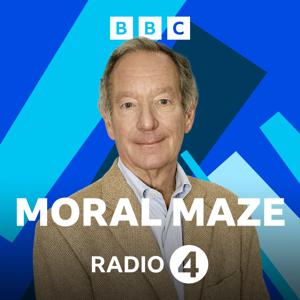

The rise in the number of fatal stabbings in recent months has generated big headlines and heated political debate. Teenage knife crime is high on the national agenda. There is broad agreement that something has to change but not as much agreement about what that is. Should there be more police officers on the streets? more surrender bins? more use of stop and search? more weapons sweeps? tougher sentences? Do we need a knife crime ‘tsar’ to co-ordinate it all? What about the role of schools and youth clubs? But before we start writing policy prescriptions, let’s ask a more basic question: are we seeing a long-overdue response to a desperate and tragic situation, or a nation in the grip of full-blown moral panic? The phrase ‘moral panic’ - which was popularised by sociologist Stanley Cohen in his 1972 book about mods and rockers - is nearly always used pejoratively to denote an over-the-top expression of public anxiety about the lowering of moral standards. Yet it could be argued that a moral panic is like a whistling kettle - it’s a warning that things have come to the boil. Perhaps we shouldn’t speak of moral panics but of moral calls to action – opportunities to get money spent and policies reformed on important issues that are usually below the national radar. Or perhaps such societal soul-searchings are just spasms of empathy, emotional outbursts that take no account of long-term trends, get in the way of clear-eyed policy-making and divert resources from duller but worthier causes. Are moral panics good for society?
Producer: Dan Tierney
 View all episodes
 By BBC Radio 4

4.6
5151 ratings
The rise in the number of fatal stabbings in recent months has generated big headlines and heated political debate. Teenage knife crime is high on the national agenda. There is broad agreement that something has to change but not as much agreement about what that is. Should there be more police officers on the streets? more surrender bins? more use of stop and search? more weapons sweeps? tougher sentences? Do we need a knife crime ‘tsar’ to co-ordinate it all? What about the role of schools and youth clubs? But before we start writing policy prescriptions, let’s ask a more basic question: are we seeing a long-overdue response to a desperate and tragic situation, or a nation in the grip of full-blown moral panic? The phrase ‘moral panic’ - which was popularised by sociologist Stanley Cohen in his 1972 book about mods and rockers - is nearly always used pejoratively to denote an over-the-top expression of public anxiety about the lowering of moral standards. Yet it could be argued that a moral panic is like a whistling kettle - it’s a warning that things have come to the boil. Perhaps we shouldn’t speak of moral panics but of moral calls to action – opportunities to get money spent and policies reformed on important issues that are usually below the national radar. Or perhaps such societal soul-searchings are just spasms of empathy, emotional outbursts that take no account of long-term trends, get in the way of clear-eyed policy-making and divert resources from duller but worthier causes. Are moral panics good for society?
Producer: Dan Tierney

7,913 Listeners

863 Listeners

1,067 Listeners
159 Listeners

5,576 Listeners

1,808 Listeners

1,729 Listeners

1,018 Listeners
2,113 Listeners

1,952 Listeners
32 Listeners
38 Listeners

428 Listeners

159 Listeners
43 Listeners
75 Listeners
108 Listeners
745 Listeners

3,245 Listeners
779 Listeners

1,010 Listeners
3,858 Listeners

1,314 Listeners
851 Listeners
48 Listeners