
Sign up to save your podcasts
Or

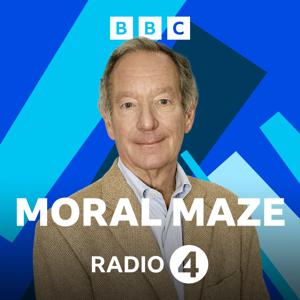

This week the Prime Minister is touring the devolved nations of the UK as she prepares to trigger the Brexit process. Her message to the people of England, Scotland, Wales and Northern Ireland is clear: we are better as one nation - the United Kingdom. Brexit has whipped up a complex and (some would say) toxic mixture of politics and patriotism. While Theresa May and others champion the national credentials of the UK, she's having to shout down the voices in the devolved nations that say their economic, cultural and democratic interests would be best served by independence. At the same time, nationalist political parties across Europe are growing in strength, with electoral challenges in France and Germany on the horizon. Is nationalism a moral force for good, because there's no better vehicle for the exercise of freedom and self-determination? Does it encourage a sense of belonging, community and culture? Or is it the worst kind of identity politics - exclusionary, divisive and populist, with sinister currents of "us" and "them"? Are we entering an age when trans-national ideas of the "Brotherhood of Man" are being replaced by loyalties closer to home? At the heart of the debate on nationalism there is an acute moral tension - between solidarity with oppressed national groups on the one hand and revulsion from the crimes perpetrated in the name of nationalism on the other. How and where should we draw the line? The morality of nationalism. Witnesses are Sophie Gaston, Simon Winder, Prof David Conway and Hardeep Singh Kohli.
 View all episodes
 By BBC Radio 4

4.6
5151 ratings
This week the Prime Minister is touring the devolved nations of the UK as she prepares to trigger the Brexit process. Her message to the people of England, Scotland, Wales and Northern Ireland is clear: we are better as one nation - the United Kingdom. Brexit has whipped up a complex and (some would say) toxic mixture of politics and patriotism. While Theresa May and others champion the national credentials of the UK, she's having to shout down the voices in the devolved nations that say their economic, cultural and democratic interests would be best served by independence. At the same time, nationalist political parties across Europe are growing in strength, with electoral challenges in France and Germany on the horizon. Is nationalism a moral force for good, because there's no better vehicle for the exercise of freedom and self-determination? Does it encourage a sense of belonging, community and culture? Or is it the worst kind of identity politics - exclusionary, divisive and populist, with sinister currents of "us" and "them"? Are we entering an age when trans-national ideas of the "Brotherhood of Man" are being replaced by loyalties closer to home? At the heart of the debate on nationalism there is an acute moral tension - between solidarity with oppressed national groups on the one hand and revulsion from the crimes perpetrated in the name of nationalism on the other. How and where should we draw the line? The morality of nationalism. Witnesses are Sophie Gaston, Simon Winder, Prof David Conway and Hardeep Singh Kohli.

7,913 Listeners
863 Listeners

1,067 Listeners

159 Listeners

5,576 Listeners

1,808 Listeners

1,729 Listeners

1,018 Listeners

2,113 Listeners

1,952 Listeners
32 Listeners
38 Listeners

428 Listeners

159 Listeners
43 Listeners
75 Listeners
108 Listeners
745 Listeners

3,245 Listeners

779 Listeners
1,010 Listeners
3,858 Listeners

1,314 Listeners
851 Listeners
48 Listeners