
Sign up to save your podcasts
Or

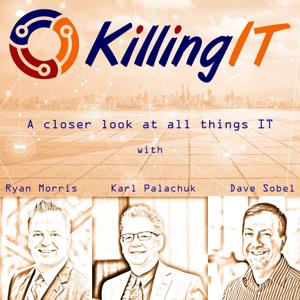

Recent reports highlight that Google Chrome and Anthropic’s desktop applications have introduced covert, non-optional downloads onto user devices without explicit notification or opt-out mechanisms. According to referenced analysis, Chrome has been silently installing its Gemini Nano AI model, and Anthropic’s Claude desktop app is deploying browser integrations across all Chromium-based browsers. These installations are performed without seeking user consent and, in some cases, persist even after attempted removal, raising direct concerns for device security and user privacy.
The increased risk is substantiated by internal testing from Anthropic, which found that these browser integrations increased successful cyberattack rates by 23.6% and offered minimal mitigation (11.2% reduction) even when defensive measures were taken. This unnotified software deployment expands the attack surface for user devices and can compromise operational control for IT providers managing client environments. The practice also indicates a shift in vendor behavior regarding user transparency and system sovereignty, as noted by Speaker C.
Adjacent to these developments, the episode discussed “vibe coding,” where non-technical users leverage AI tools to generate code for business tasks. This trend introduces new support and security burdens for MSPs as clients independently create potentially insecure or unsupported automation. Some MSPs are revising their Master Services Agreements (MSAs) to clarify that remediation of issues stemming from client-generated or AI-assisted code will be billed separately and are not covered under standard support contracts. The discussion also featured account of ransomware attacks on education platforms such as Canvas during critical exam periods, underscoring the importance of contingency planning and backup strategies.
The implications for MSPs and IT leaders include heightened due diligence requirements regarding vendor software behaviors, increased need for endpoint and application visibility, and updated governance around end-user-initiated automation. To reduce operational and reputational harm, MSPs are encouraged to establish explicit client policies covering AI tool usage, conduct AI readiness and risk assessments, and formally delineate the scope of managed responsibilities in client agreements. Effective communication and continuous advisory engagement are positioned as vital to maintain alignment with client priorities and mitigate emerging technology risks.
Hosted by Simplecast, an AdsWizz company. See pcm.adswizz.com for information about our collection and use of personal data for advertising.
 View all episodes
 By Dave Sobel

4.8
1212 ratings
Recent reports highlight that Google Chrome and Anthropic’s desktop applications have introduced covert, non-optional downloads onto user devices without explicit notification or opt-out mechanisms. According to referenced analysis, Chrome has been silently installing its Gemini Nano AI model, and Anthropic’s Claude desktop app is deploying browser integrations across all Chromium-based browsers. These installations are performed without seeking user consent and, in some cases, persist even after attempted removal, raising direct concerns for device security and user privacy.
The increased risk is substantiated by internal testing from Anthropic, which found that these browser integrations increased successful cyberattack rates by 23.6% and offered minimal mitigation (11.2% reduction) even when defensive measures were taken. This unnotified software deployment expands the attack surface for user devices and can compromise operational control for IT providers managing client environments. The practice also indicates a shift in vendor behavior regarding user transparency and system sovereignty, as noted by Speaker C.
Adjacent to these developments, the episode discussed “vibe coding,” where non-technical users leverage AI tools to generate code for business tasks. This trend introduces new support and security burdens for MSPs as clients independently create potentially insecure or unsupported automation. Some MSPs are revising their Master Services Agreements (MSAs) to clarify that remediation of issues stemming from client-generated or AI-assisted code will be billed separately and are not covered under standard support contracts. The discussion also featured account of ransomware attacks on education platforms such as Canvas during critical exam periods, underscoring the importance of contingency planning and backup strategies.
The implications for MSPs and IT leaders include heightened due diligence requirements regarding vendor software behaviors, increased need for endpoint and application visibility, and updated governance around end-user-initiated automation. To reduce operational and reputational harm, MSPs are encouraged to establish explicit client policies covering AI tool usage, conduct AI readiness and risk assessments, and formally delineate the scope of managed responsibilities in client agreements. Effective communication and continuous advisory engagement are positioned as vital to maintain alignment with client priorities and mitigate emerging technology risks.
Hosted by Simplecast, an AdsWizz company. See pcm.adswizz.com for information about our collection and use of personal data for advertising.
9,622 Listeners
8,051 Listeners
88 Listeners

10 Listeners
15 Listeners

590 Listeners

143 Listeners
682 Listeners
23 Listeners