
Sign up to save your podcasts
Or

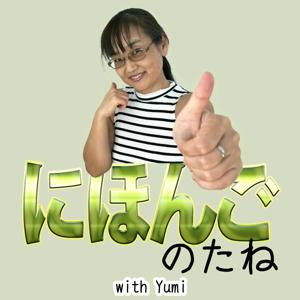


Japanese culture about nakedness is different from the occidental one. Japanese people go to onsen naked while most occidental people would feel embarrassed for doing this. In this podcast, Yumi talks about it, and about the changes over time around this culture.
KEY VOCABULARY:
For upper beginners to intermediates. Listen to the short podcast and then answer the comprehension questions on the website: https://thejapanesepage.com/nihongonotane-index/
Take a quiz on this episode here:
https://thejapanesepage.com/podcast-nihongonotane-133
If you are a Makoto+ member, you can find the transcript, English translation, key vocabulary, and a downloadable PDF for printing:
https://MakotoPlus.com/podcast-nihongonotane-133-m
--
Become a Makoto+ member and get show notes with a complete transcript, translation, key vocabulary, and a downloadable PDF.
www.MakotoPlus.com
Description:
Japan is a country with many hot springs. Going to one is an experience you may not want to miss during your stay in Japan. Listen to Yumi talking about ryokans, hot springs and how she overcame the embarrassment about going naked to one.
KEY VOCABULARY:
For upper beginners to intermediates. Listen to the short podcast and then answer the comprehension questions on the website: https://thejapanesepage.com/nihongonotane-index/
Take a quiz on this episode here:
https://thejapanesepage.com/podcast-nihongonotane-132
If you are a Makoto+ member, you can find the transcript, English translation, key vocabulary, and a downloadable PDF for printing:
https://MakotoPlus.com/podcast-nihongonotane-132-m
--
Become a Makoto+ member and get show notes with a complete transcript, translation, key vocabulary, and a downloadable PDF.
www.MakotoPlus.com
Yumi went with her family to see the Super Mario Brothers movie. Listen to Yumi talk about her thoughts on the movie and what she wanted to do after watching it!
KEY VOCABULARY:
公開(こうかい)される to be open; to be open to the public [公開(こうかい) (opening to the public; release)]
話(わ)題(だい)に上(のぼ)る to come up in conversation [話(わ)題(だい) (topic)]
毎週(まいしゅう)のように almost every week [毎(まい) (every);週(しゅう)(week)]
期(き)待(たい)通(どお)りas expected; as hoped for [期(き)待(たい) (expectation; anticipation; hope)]
再現(さいげん)される to be reproduced [再現(さいげん) (reproduction; recreation; reenactment)]
心(こころ)をつかまれる to be touched; to be captured [つかまれる (to be grasped); passive form of つかむ (to catch; to grasp)]
ネタバレ spoiler; spoiling a story [shortened fromネタがバレる; ネタ(core of a story); バレる(to be exposed)]
揃(そろ)ってall together [adverb stemmed from 揃(そろ)う(to be all present; (all pieces) to be complete)]
この辺(へん)にしておく to leave it here [辺(へん) (area); この辺(へん) (around here; this vicinity); にしておく (to leave ~ as)]
平日(へいじつ) week day(s)
物語性(ものがたりせい) story theme; narrativity [物語 (story); 性 (nature; quality; -ness)]
取(と)り入(い)れる to adopt; to take in
動(どう)機(き) motivation; incentive
与(あた)える to give; to provide
冒険(ぼうけん)する to explore [冒険(ぼうけん) (exploration; adventure)]
ハマる to get hooked [slang for “to get addicted” but can be used in a good way as well; stemmed fromはまる to get stuck; to fall in (a ditch, trap etc.)]
続出(ぞくしゅつ)する to appear one after another
誇(ほこ)れる can proud [potential form of 誇(ほこ)る (to proud)]
超有名(ちょうゆうめい) super famous [超(ちょう) (super-; ultra-); 有名(ゆうめい) (famous)]
For upper beginners to intermediates. Listen to the short podcast and then answer the comprehension questions on the website: https://thejapanesepage.com/nihongonotane-index/
Take a quiz on this episode here:
https://thejapanesepage.com/podcast-nihongonotane-131
If you are a Makoto+ member, you can find the transcript, English translation, key vocabulary, and a downloadable PDF for printing:
https://MakotoPlus.com/podcast-nihongonotane-131-m
--
Become a Makoto+ member and get show notes with a complete transcript, translation, key vocabulary, and a downloadable PDF.
www.MakotoPlus.com
Last time, Yumi talked about things she does on a daily basis. This time, she speaks about things she does occasionally and then things she would like to do in the future.
KEY VOCABULARY:
For upper beginners to intermediates. Listen to the short podcast and then answer the comprehension questions on the website: https://thejapanesepage.com/nihongonotane-index/
Take a quiz on this episode here:
https://thejapanesepage.com/podcast-nihongonotane-130
If you are a Makoto+ member, you can find the transcript, English translation, key vocabulary, and a downloadable PDF for printing:
https://MakotoPlus.com/podcast-nihongonotane-130-m
--
Become a Makoto+ member and get show notes with a complete transcript, translation, key vocabulary, and a downloadable PDF.
www.MakotoPlus.com
In today’s episode, Yumi shares a few things she does every single day (or almost every day).
KEY VOCABULARY:
For upper beginners to intermediates. Listen to the short podcast and then answer the comprehension questions on the website: https://thejapanesepage.com/nihongonotane-index/
Take a quiz on this episode here:
https://thejapanesepage.com/podcast-nihongonotane-129
If you are a Makoto+ member, you can find the transcript, English translation, key vocabulary, and a downloadable PDF for printing:
https://MakotoPlus.com/podcast-nihongonotane-129-m
--
Become a Makoto+ member and get show notes with a complete transcript, translation, key vocabulary, and a downloadable PDF.
www.MakotoPlus.com
Yumi brought her family to Universal Studios in Orlando and couldn't help but compare the experience to her visit to Universal Studios in California more than two decades ago. Both the theme park and Yumi herself have undergone significant transformations since then.
KEY VOCABULARY:
For upper beginners to intermediates. Listen to the short podcast and then answer the comprehension questions on the website: https://thejapanesepage.com/nihongonotane-index/
Take a quiz on this episode here:
https://thejapanesepage.com/podcast-nihongonotane-128
If you are a Makoto+ member, you can find the transcript, English translation, key vocabulary, and a downloadable PDF for printing:
https://MakotoPlus.com/podcast-nihongonotane-128-m
--
Become a Makoto+ member and get show notes with a complete transcript, translation, key vocabulary, and a downloadable PDF.
www.MakotoPlus.com
Yumi is worried about inflation. Everything is more expensive. Still, she maintains a positive outlook with affirmations and positive thinking. Even when bad things happen, there is always something to be grateful for.
KEY VOCABULARY:
For upper beginners to intermediates. Listen to the short podcast and then answer the comprehension questions on the website: https://thejapanesepage.com/nihongonotane-index/
Take a quiz on this episode here:
https://thejapanesepage.com/podcast-nihongonotane-127
If you are a Makoto+ member, you can find the transcript, English translation, key vocabulary, and a downloadable PDF for printing:
https://MakotoPlus.com/podcast-nihongonotane-127-m
--
Become a Makoto+ member and get show notes with a complete transcript, translation, key vocabulary, and a downloadable PDF.
www.MakotoPlus.com
In this episode of Nihongo no Tane, Yumi discusses onomatopoeia in Japanese. She mentions that there are approximately 5,000 onomatopoeic words in Japanese, making it the language with the most onomatopoeia in the world.
Onomatopoeic words can have multiple meanings and be used in various situations. For example, you probably know ペラペラ to mean "fluent" when describing someone's language skills, but did you know it can also mean "flimsy" when referring to paper flapping about in the wind? Learning onomatopoeia can be challenging but rewarding. Find a new onomatopoeia expression and use it today!
KEY VOCABULARY:
眼(め)鏡(がね)をかけている to wear glasses [眼(め)鏡(がね) (eye glasses); かける (to put on); (て)いる indicates the state of wearing glasses]
視(し)力(りょく) eyesight; vision [視(し) (visual; vision); 力(りょく)(strength; power)]
~は、もちろん not only ~; definitely for (driving) [もちろん (of course)]
つまずく to trip (over); to stumble
てしまう to end up with doing ~ [“te-form + しまう” is used for unfavorable situation/outcome or unexpected, surprising or unintended outcome]
~じゃないですか isn’t it; right? [sounds fairly casual]
若返(わかがえ)る to be rejuvenated; to feel younger; to reverse aging [若 (young; youth); 返る(to return)]
擬(ぎ)声(せい)語(ご) onomatopoeia (words that mimic people’s voice or sounds or call that animals or insects make) [擬(ぎ) (quasi-; imitation); 声(せい) (voice); also there is 擬(ぎ)音(おん)語(ご) which is words that mimic sound of things]
擬(ぎ)態(たい)語(ご) onomatopia; mimetic word (word that mimics an action, condition or manner that does not make a sound ) [態(たい) (condition; state of things)]
結構(けっこう) fairly; quite bit; rather [it can also mean “excellent”, “delightful”, “enough” or “fine”]
~らしい -like ; typical of ~; characteristic of ~ [a suffix which follows noun]
場(ば)面(めん) situation; circumstance
流暢(りゅうちょう)に fluently [流暢(りゅうちょう) (fluent)]
どんどん上(じょう)手(ず)になる to get better at something quickly [どんどん describes quick way that something is being done]
雷(かみなり)thunder
寝(ね)転(ころ)がっている to be lying around (for a period of time) [寝(ね)転(ころ)がってte-form of 寝(ね)転(ころ)がる(to lie down; to throw oneself down)]
のどを鳴(な)らす to make a sound with one’s throat [のど (throat); 鳴(な)らす (to ring; to make a sound)]
一(ひと)つ一(ひと)つ one by one
丁寧(ていねい)に thoroughly; carefully; with care
無理(むり) impossible; not able
For upper beginners to intermediates. Listen to the short podcast and then answer the comprehension questions on the website: https://thejapanesepage.com/nihongonotane-index/
Take a quiz on this episode here:
https://thejapanesepage.com/podcast-nihongonotane-126
If you are a Makoto+ member, you can find the transcript, English translation, key vocabulary, and a downloadable PDF for printing:
https://MakotoPlus.com/podcast-nihongonotane-126-m
--
Become a Makoto+ member and get show notes with a complete transcript, translation, key vocabulary, and a downloadable PDF.
www.MakotoPlus.com
Yumi wraps up her talk about buying two cars and the problem with buying insurance for teenage drivers.
KEY VOCABULARY:
更新(こうしん)する to renew; to update
代理店(だいりてん) agency
事(じ)情(じょう)circumstance; condition; situation
担当(たんとう) being in charge; being
曇(くも)った表(ひょう)情(じょう) worried/sad look on one’s face [曇(くも)った (cloudy); 表情(ひょうじょう) (facial expression; facial look)]
ため息 sigh [ため (collect; gather); 息 (breath)]
嫌(きら)う dislike; not to like
計算(けいさん)する to calculate; compute; to figure (out)
予(よ)想(そう)する to expect; to anticipate
仕方(しかた)ない inevitable; having no (other) choice; unavoidable [仕方(しかた) (method; means); ない (not; no)]
年間(ねんかん) one year period; annually; annual
顎(あご)が外(はず)れそうになる one’s jaw drops [顎(あご) (jaw); 外(はず)れる(to unhinge; to come off); そうに(almost; nearly)] *Yumi made a mistake with this idiom: 顎が外れるis supposed to be used when laughing hard. However, this is often mistakenly used when shocked or surprised. She probably was thinking of the English idiom “jaw drop” which is used when shocked or surprised and not when laughing—the opposite of the Japanese idiom!
相談(そうだん)する to consult; to ask (someone) for advice
確率(かくりつ) likelihood; chances; probability
加(か)入(にゅう)する to join; to become a member
高齢者(こうれいしゃ) elderly people
かけ金(きん) premium
なんとかなる to make (things) work one way or another; to manage somehow [なんとか (somehow; one way or another); なる(to result in; to turn out)]
心(こころ)がける to keep in mind; to try to; to aim to; to bear in mind
For upper beginners to intermediates. Listen to the short podcast and then answer the comprehension questions on the website: https://thejapanesepage.com/nihongonotane-index/
Take a quiz on this episode here:
https://thejapanesepage.com/podcast-nihongonotane-125
If you are a Makoto+ member, you can find the transcript, English translation, key vocabulary, and a downloadable PDF for printing:
https://MakotoPlus.com/podcast-nihongonotane-125-m
--
Become a Makoto+ member and get show notes with a complete transcript, translation, key vocabulary, and a downloadable PDF.
www.MakotoPlus.com
Today, Yumi continues her story about her recent car-buying experiences.
KEY VOCABULARY:
普通(ふつう)(の) normal; common
結構(けっこう) fairly
頑張(がんば)る endure; survive; keep at it; make an effort
自宅(じたく) one’s home; one’s house
めでたく happily; with much joy [this word has a celebratory connotation to it]
面倒(めんどう)な troubling; troublesome; difficult [面倒(めんどう)(trouble)]
スケジュールを組(く)む schedule ~; arrange a schedule [組(く)む (form; arrange; assemble)]
ローンを組(く)む get a loan; take out a loan
重(かさ)なる overlap; occur at the same time; pile up
免許取(めんきょと)り立(た)て newly-licensed [“masu-stem + 立(た)て” means “newly ~” or “freshly ~”]
車屋(くるまや) car dealership [カーセンター is also used]
不思議(ふしぎ)な strange; mysterious
下取(したど)りする trade in
ずつ each [written eitherずつ orづつ]
利子(りし) interest (on a loan)
月々(つきづき)の monthly [same as 毎月(まいつき)の]
順調(じゅんちょう) favorable; all right [describes of events when going without any problems]
万歳(ばんざい) hooray
保険(ほけん) insurance
For upper beginners to intermediates. Listen to the short podcast and then answer the comprehension questions on the website: https://thejapanesepage.com/nihongonotane-index/
Take a quiz on this episode here:
https://thejapanesepage.com/podcast-nihongonotane-124
If you are a Makoto+ member, you can find the transcript, English translation, key vocabulary, and a downloadable PDF for printing:
https://MakotoPlus.com/podcast-nihongonotane-124-m
--
Become a Makoto+ member and get show notes with a complete transcript, translation, key vocabulary, and a downloadable PDF.
www.MakotoPlus.com
From the publisher's feed

1,025 Listeners

126 Listeners
166 Listeners
93 Listeners

38 Listeners
68 Listeners
80 Listeners

75 Listeners

9 Listeners

20 Listeners
160 Listeners
17 Listeners
94 Listeners
46 Listeners
41 Listeners