
Sign up to save your podcasts
Or

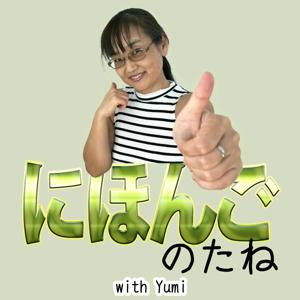


Until recently, Yumi’s family has only had one car. This is unusual in the part of Florida that she lives in. Most families have at least two cars. But Yumi and Clay both work from home and until their son got his driver’s license, they rarely had need for a second car. But now their son has his license, Yumi decided … it was time.
KEY VOCABULARY:
仮免許(かりめんきょ) driver’s permit; learner’s permit
同乗(どうじょう)する ride along
運転免許(うんてんめんきょ) driver’s license
取得(しゅとく) obtainment
普通(ふつう) normal; common; ordinary
就職(しゅうしょく) する get employed; come to employed
自動車学校(じどうしゃがっこう) driving school
随分(ずいぶん) very; considerably; extremely
のんき carefree; laid back; easygoing
必要(ひつよう)ない not necessary; not needed
経済的 economic
購入(こうにゅう)する purchase; buy
自体(じたい) itself
企業(きぎょう) business; corporation; enterprise
心配(しんぱい) worried; concerned [it’s used as adjective here but it can be noun as well]
安全運転(あんぜんうんてん) safe driving
子煩悩(こぼんのう)な very loving; very dedicated [used to describe very loving and dedicated parents]
奮発(ふんぱつ)する spend some generous amount of money than expected; be generous at gifting something than expected [奮発(splurge; generous spending; generous treat)]
大奮発(だいふんぱつ) big splurge; super generous treat
勇気(ゆうき) courage; bravery
要(い)る need; require
For upper beginners to intermediates. Listen to the short podcast and then answer the comprehension questions on the website: https://thejapanesepage.com/nihongonotane-index/
Take a quiz on this episode here:
https://thejapanesepage.com/podcast-nihongonotane-123
If you are a Makoto+ member, you can find the transcript, English translation, key vocabulary, and a downloadable PDF for printing:
https://MakotoPlus.com/podcast-nihongonotane-123-m
--
Become a Makoto+ member and get show notes with a complete transcript, translation, key vocabulary, and a downloadable PDF.
www.MakotoPlus.com
February 3rd was setsubun in Japan. The day that marks the end of winter and is followed by the beginning of spring. Listen as Yumi tells us a little bit about how this special occasion is celebrated in Japan.
KEY VOCABULARY:
節分(せつぶん) last day of winter in the traditional Japanese calendar
立春(りっしゅん) first day of spring in the traditional Japanese calendar
季節(きせつ)の変(か)わり目(め) time of change of seasons; time when season changes
邪気(じゃき) evil spirit; misfortune; bad vibes that cause illness or other misfortune
煎(い)る roast (beans)
願(ねが)い事(ごと) one’s wish; one’s desire; prayer
叶(かな)う come true; (wish) be answered
風習(ふうしゅう) traditional custom in a regional/ tribal culture
販売(はんばい)を始(はじ)める launch sales
保育園(ほいくえん) nursery school and preschool (usually combined)
大泣(おおな)きする cry one’s eyes out; cry hard
幼児虐待(ようじぎゃくたい) child abuse
かわいそうになる feel sorry (for someone)
伝統行事(でんとうぎょうじ) traditional event
相対的(そうたいてき) relative
絶対(ぜったい) definite
For upper beginners to intermediates. Listen to the short podcast and then answer the comprehension questions on the website: https://thejapanesepage.com/nihongonotane-index/
Take a quiz on this episode here:
https://thejapanesepage.com/podcast-nihongonotane-122
If you are a Makoto+ member, you can find the transcript, English translation, key vocabulary, and a downloadable PDF for printing:
https://MakotoPlus.com/podcast-nihongonotane-122-m
--
Become a Makoto+ member and get show notes with a complete transcript, translation, key vocabulary, and a downloadable PDF.
www.MakotoPlus.com
In today’s podcast, Yumi digs deep into an interesting superstition which caused the birth rates to plummet one year in the 1960s. It has to do with the Chinese Zodiac, the Edo period, and Natsume Souseki. Listen to find out about this fascinating bit of historical trivia.
KEY VOCABULARY:
十二支(じゅうにし) 12 animal signs of Chinese zodiac
干支(えと) 60 year cycle of 12 zodiac signs and 5 elements in Chinese astrology
暗記(あんき)する memorize
~歳違(さいちが)い ~ years apart
ひと回り 12年 [one full cycle of 12 zodiac signs]
~年区切(ねんくぎ)り(で) by ~ year segment
マンモス校(こう) very large school; school with a large number of students
当(あ)たり前(まえ) usual; common; ordinary
少子化(しょうしか) declining birth rate [少 (few; a little); 子 (child); 化 (change toward)]
根強(ねづよ)い persistent; deep-rooted; deep-seated
迷信(めいしん) superstition
とんでもない outrageous; terrible
江戸時代(えどじだい) Edo period [the last era of ruling of samurai government]
八百屋(やおや) produce store; fruits and vegetable store
小説家(しょうせつか) novelist; fiction writer
現代的(げんだいてき)な modern; contemporary
世代(せだい) generation
~年生(ねんう)まれ born in year ~ [one word and it’s adjective]
気(き)にする worry (about)
明治時代(めいじじだい) Meiji period [the first era after the fall of the samurai government]
For upper beginners to intermediates. Listen to the short podcast and then answer the comprehension questions on the website: https://thejapanesepage.com/nihongonotane-index/
Take a quiz on this episode here:
https://thejapanesepage.com/podcast-nihongonotane-121
If you are a Makoto+ member, you can find the transcript, English translation, key vocabulary, and a downloadable PDF for printing:
https://MakotoPlus.com/podcast-nihongonotane-121-m
--
Become a Makoto+ member and get show notes with a complete transcript, translation, key vocabulary, and a downloadable PDF.
www.MakotoPlus.com
Yumi recently visited Silver Springs, a nature park in Florida which is famous for its glass bottom boats and manatees. Did you know manatees may have been mistaken for mermaids? Yumi then shares some stories about Japanese mermaids.
KEY VOCABULARY:
州立公園(しゅうりつこうえん) state park
被害(ひがい) damage; injury; harm
諦(あきら)める give up; abandon
水(みず)湧(わ)く spring out; gush out
水族館(すいぞくかん) aquarium
癒(いや)す heal
第一印象(だいいちいんしょう) first impression
好奇心旺盛(こうきしんおうせい) full of curiosity; full of inquisitiveness 好奇 心(curiosity; inquisitiveness) 旺盛(vigorous; exuberant)
人魚(にんぎょ) mermaid
暗(くら)がり darkness
上半身(じょうはんしん) upper body
見世物小屋(みせものごや) show tent; circus tent; freak show 見世物(spectacle; exhibition; show) 小屋(hut)
購入(こうにゅう)する purchase
随分(ずいぶん) a lot; considerably; fairly
不老長寿(ふろうちょうじゅ) immortality 不老 (no aging) 長寿(longevity)
子宝(こだから) fertility
恵(めぐ)まれる to be gifted; to be blessed
For upper beginners to intermediates. Listen to the short podcast and then answer the comprehension questions on the website: https://thejapanesepage.com/nihongonotane-index/
Take a quiz on this episode here:
https://thejapanesepage.com/podcast-nihongonotane-120
If you are a Makoto+ member, you can find the transcript, English translation, key vocabulary, and a downloadable PDF for printing:
https://MakotoPlus.com/podcast-nihongonotane-120-m
--
Become a Makoto+ member and get show notes with a complete transcript, translation, key vocabulary, and a downloadable PDF.
www.MakotoPlus.com
Sometimes simple analogies hit home the hardest. Learning a language is like breathing. It’s the small repetitive acts that keep us going and growing. Keep growing your Japanese little by little by studying, reading, and listening to Japanese daily.
KEY VOCABULARY:
新年(しんねん)の抱負(ほうふ) New Year’s resolution
一番(いちばん)最初(さいしょ)に the very first thing…
痩せたい want to lose weight
大成功(だいせいこう) big success
∼もつかの間(ま) ∼ was only short time
気(き)が緩(ゆる)む relax too much; lose an intention; become remiss
健康的(けんこうてき)に in healthy way;in healthy manner
瘦せ型体系 body type that is easy to lose weight
維持(いじ)する maintain; keep; sustain
参考にする refer to; learn from
一生懸命(いっしょうけんめい) with utmost effort; as one can
集中(しゅうちゅう)する concentrate; focus
短期間(たんきかん) short period of time
呼吸(こきゅう) breathing; breath
聖書(せいしょ) bible
毎日毎日(まいにちまいにち) every day; day after day
For upper beginners to intermediates. Listen to the short podcast and then answer the comprehension questions on the website: https://thejapanesepage.com/nihongonotane-index/
Take a quiz on this episode here:
https://thejapanesepage.com/podcast-nihongonotane-119
If you are a Makoto+ member, you can find the transcript, English translation, key vocabulary, and a downloadable PDF for printing:
https://MakotoPlus.com/podcast-nihongonotane-119-m
--
Become a Makoto+ member and get show notes with a complete transcript, translation, key vocabulary, and a downloadable PDF.
www.MakotoPlus.com
In this short message, Yumi has some good news to share with the New Year.
KEY VOCABULARY:
令和(れいわ)5(5)年(ねん) Reiwa 5
西暦(せいれき) Western calendar
新年早々(しんねんそうそう) early in the New Year; at the beginning of the New Year
引(ひ)っ越(こ)し move (to a new house)
実家(じっか) one’s parent’s home; home where one grew up in
長(なが)い間(あいだ) long time
孫(まご) grandchildren
低学年(ていがくねん) early grade levels
節(ふし) occasion; time; section; passage; season; holiday
情報(じょうほう) information
長生(ながいけ)き long life
一期一会(いちごいちえ) once-in-a-life experience; an encounter that should be cherished
挨拶(あいさつ) greetings
For upper beginners to intermediates. Listen to the short podcast and then answer the comprehension questions on the website: https://thejapanesepage.com/nihongonotane-index/
Take a quiz on this episode here:
https://thejapanesepage.com/podcast-nihongonotane-118
If you are a Makoto+ member, you can find the transcript, English translation, key vocabulary, and a downloadable PDF for printing:
https://MakotoPlus.com/podcast-nihongonotane-118-m
--
Become a Makoto+ member and get show notes with a complete transcript, translation, key vocabulary, and a downloadable PDF.
www.MakotoPlus.com
As the year 2022 comes to a close, Yumi thinks back on all the things that happened to her and her family this year.
KEY VOCABULARY:
今年(ことし) this year
最後(さいご) last; final
何(なに)も覚(おぼ)えていません don’t remember anything
性格(せいかく) personality; character
写真(しゃしん) photo
娘(むすめ) daughter
ウクレレ ukulele
いわゆる the so-called
弾(ひ)き語(がた)り singing to one’s own accompaniment
遊園地(ゆうえんち) amusement park
成人式(せいじんしき) coming-of-age-ceremony
運動会(うんどうかい) sports day
映画(えいが) movie
ブルーベリー狩(が)り blueberry picking
掃除(そうじ) cleaning
裏庭(うらにわ) backyard
教会(きょうかい) church
風邪(かぜ)気味(ぎみ) slight cold
体験(たいけん) experience
笑(わら)い話(ばなし) funny story
For upper beginners to intermediates. Listen to the short podcast and then answer the comprehension questions on the website: https://thejapanesepage.com/nihongonotane-index/
Take a quiz on this episode here:
https://thejapanesepage.com/podcast-nihongonotane-117
If you are a Makoto+ member, you can find the transcript, English translation, key vocabulary, and a downloadable PDF for printing:
https://MakotoPlus.com/podcast-nihongonotane-117-m
--
Become a Makoto+ member and get show notes with a complete transcript, translation, key vocabulary, and a downloadable PDF.
www.MakotoPlus.com
This year’s kanji has been selected. Out of 220,000 votes, the kanji for war or battle was chosen. Yumi talks about this as well as what’s been going on in Japan recently.
KEY VOCABULARY:
戦争(せんそう) war
漢字能力検定(かんじのうりょくけんてい)協会(きょうかい) Kanji Proficiency Test Association
戦(たたか)う to fight; to battle
全国(ぜんこく) all of the country; the whole country
印象(いんしょう) impression
同時多発(どうじたはつ)テロ simultaneous attacks (particularly 9/11)
物騒(ぶっそう) troubled; disturbed
さらに in addition; moreover
大盛(おおも)り上(あ)がり great excitement
優勝(ゆうしょう)候補(こうほ) favored candidate; best bet for the title; favored for victory
勝利(しょうり) victory
残念(ざんねん)ながら unfortunately
練習(れんしゅう)に練習(れんしゅう)を重(かさ)ねて practice upon practice
礼儀正(れいぎただ)しい polite; courteous
For upper beginners to intermediates. Listen to the short podcast and then answer the comprehension questions on the website: https://thejapanesepage.com/nihongonotane-index/
Take a quiz on this episode here:
https://thejapanesepage.com/podcast-nihongonotane-116
If you are a Makoto+ member, you can find the transcript, English translation, key vocabulary, and a downloadable PDF for printing:
https://MakotoPlus.com/podcast-nihongonotane-116-m
--
Become a Makoto+ member and get show notes with a complete transcript, translation, key vocabulary, and a downloadable PDF.
www.MakotoPlus.com
Yumi’s daughter speaks Japanese, but sometimes incorrectly. In today’s episode, Yumi tells us how her daughter messes up “to give” in Japanese, and this spurred her to research how to best teach あげる・くれる・もらう(give and receive). Yumi discovered the key is to understand Japanese culture. Listen as she explains.
KEY VOCABULARY:
あげる・くれる・もらう To Give and Receive in Japanese
ゴチャまぜ mess; jumble; chaos
おやつ snack
ちょうだい please give me
日本(にほん)の文化(ぶんか) Japanese culture
考(かんが)え方(かた) way of thinking
内(うち)と外(そと) inside and outside
当(あ)たり前(まえ) natural; obvious; common
想像(そうぞう)する to imagine
真(ま)ん中(なか) in the middle
見事(みごと)に splendidly
For upper beginners to intermediates. Listen to the short podcast and then answer the comprehension questions on the website: https://thejapanesepage.com/nihongonotane-index/
Take a quiz on this episode here:
https://thejapanesepage.com/podcast-nihongonotane-115
If you are a Makoto+ member, you can find the transcript, English translation, key vocabulary, and a downloadable PDF for printing:
https://MakotoPlus.com/podcast-nihongonotane-115-m
--
Become a Makoto+ member and get show notes with a complete transcript, translation, key vocabulary, and a downloadable PDF.
www.MakotoPlus.com
Yumi has a problem. The three large pecan trees in her backyard have produced tons of pecans. In this episode, she talks about what she’s doing with the pecans and then compares pecans to chestnuts in Japan.
KEY VOCABULARY:
ピーカン pecan
我(わ)が家(や) my house
裏庭(うらにわ) backyard
地面(じめん) ground
食(く)い込(こ)む bite into; to dig into; to encroach
敷(し)き詰(つ)められた to be covered with
季節(きせつ)外(はず)れ unseasonal
殻(から) shell
作業(さぎょう) work
単純(たんじゅん) simple
無(む)になれる become free from thoughts
自生(じせい)する growing wild
農家(のうか) farmer
栽培(さいばい) cultivate
脂肪分(しぼうぶん) fat content
脂質(ししつ) fats
栗(くり) chestnuts
甘露煮(かんろに) candied (chestnuts)
お菓子(かし) candy; sweets
縄文時代(じょうもんじだい) Jomon period (over 3000 years ago)
鬼皮(おにかわ) hard shell of a nut
渋皮(しぶかわ) inner skin of a chestnut
面倒(めんどう)くさい bothersome
リス squirrel
For upper beginners to intermediates. Listen to the short podcast and then answer the comprehension questions on the website: https://thejapanesepage.com/nihongonotane-index/
Take a quiz on this episode here:
https://thejapanesepage.com/podcast-nihongonotane-114
If you are a Makoto+ member, you can find the transcript, English translation, key vocabulary, and a downloadable PDF for printing:
https://MakotoPlus.com/podcast-nihongonotane-114-m
--
Become a Makoto+ member and get show notes with a complete transcript, translation, key vocabulary, and a downloadable PDF.
www.MakotoPlus.com
From the publisher's feed

1,025 Listeners

126 Listeners
166 Listeners
93 Listeners

38 Listeners
68 Listeners
80 Listeners

75 Listeners

9 Listeners

20 Listeners
160 Listeners
17 Listeners
94 Listeners
46 Listeners
41 Listeners