
Sign up to save your podcasts
Or

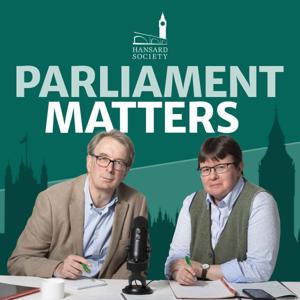


The assisted dying bill is about to undergo detailed scrutiny by the Public Bill Committee - a group of 23 MPs tasked with reviewing the Bill’s text and proposing amendments to refine and improve it. But what exactly happens during this amendment process? Former House of Commons Clerk, Paul Evans CBE, breaks it down. Plus, we hear from Dr Ben Spencer MP, a former consultant psychiatrist turned parliamentarian, who has proposed dozens of amendments to the Bill.
This week, Ruth is joined by procedural expert Paul Evans to break down the role and purpose of a Public Bill Committee. They explore how amendments are proposed, the rules that determine which amendments are admissible, and the grouping and selection of amendments for debate and decision. Paul explains the pivotal role played by the Committee chair in making fine procedural and political judgements and the mechanisms like ‘closure’ motions that keep the process moving and guard against filibustering.
What is the Government’s role in this process. While officially neutral, Ministers have a ‘duty to the statute book'. So, will they step in to propose amendments, or will that responsibility fall to the Bill’s sponsor, Kim Leadbeater MP? Plus, we explore the tactical side of law making: is it smarter to push amendments now, or save them for the next stage when the Bill returns to the full Commons for the Report stage?
We also sit down with Dr Ben Spencer MP, the Conservative MP for Runnymede and Weybridge. He voted against the Bill at Second Reading and discusses why he thinks the Private Members’ Bill process is not the right route for this complex legislation. Despite his opposition to the Bill, and although he’s not a member of the Public Bill Committee, he has nonetheless tabled several dozen amendments. One of his key proposals? The creation of a new body — the Assisted Dying Agency — to oversee the process. He shares why he’s pursuing these amendments, how he’s crafting them, and how he hopes to influence the Bill’s progress from outside the Committee room.
🎓 Learn more using our resources for the issues mentioned in this episode.
❓ Send us your questions about Parliament:
✅ Subscribe to our newsletter.
�� Follow us across social media @HansardSociety / @hansardsociety.bsky.social
£ - Support the Hansard Society and this podcast by making a donation today.
Parliament Matters is a Hansard Society production supported by the Joseph Rowntree Charitable Trust.
Presenter: Ruth Fox
Producer: Richard Townsend
Hosted on Acast. See acast.com/privacy for more information.
In this special episode we have an exclusive conversation with Dame Elizabeth Gardiner, the former head of the government’s Parliamentary Counsel Office, who drafted the Terminally Ill Adults (End of Life) Bill. This is a rare insight into the legislative process from the very person who crafted the bill that MPs are now scrutinising.
Dame Elizabeth reveals how she was approached to draft the bill on a pro bono basis, the legal challenges she navigated, and how she worked closely with the Bill’s sponsor, Kim Leadbeater MP, to shape the legislation. She offers a fascinating behind-the-scenes look at the drafting process, explaining how existing laws, international precedents, and parliamentary constraints influenced her approach.
Mark and Ruth also dissect the key takeaways from this week's Public Bill Committee evidence sessions, including concerns over medical safeguards, judicial oversight, and the role of government in shaping the final legislation. With over 147 amendments already tabled, the bill faces intense scrutiny in the coming weeks.
Tune in for an in-depth discussion on the future of assisted dying law in the UK, the political dynamics at play, and what comes next in this historic parliamentary process.
🎓 Learn more using our resources for the issues mentioned in this episode.
❓ Send us your questions about Parliament:
✅ Subscribe to our newsletter.
�� Follow us across social media @HansardSociety / @hansardsociety.bsky.social
£ - Support the Hansard Society and this podcast by making a donation today.
Parliament Matters is a Hansard Society production supported by the Joseph Rowntree Charitable Trust.
Presenters: Mark D'Arcy and Ruth Fox
Producer: Richard Townsend
Hosted on Acast. See acast.com/privacy for more information.
The Government is now taking difficult decisions on everything from social security to a third runway at Heathrow which could cause splits in their own ranks. But why are MPs not paying more attention to the mechanisms the House of Commons has established to control the social security budget and repeal or reform old EU laws? And the House of Lords provides good news for Sir Paul McCartney but bad news for ticket touting by “posh people” at the Royal Albert Hall.
This week we discuss the government’s big challenges — from Heathrow’s third runway to social security spending and the implications for parliamentary politics.
Infrastructure battles ahead: Rachel Reeves announces a third runway at Heathrow, but MPs opposed to the plan may use opposition day debates, e-petitions, and backbench motions to force votes. How will the government manage dissent within its own ranks?
Scrutiny shortcomings: Despite the welfare cap being breached by £8.5 billion, only a handful of MPs engaged in the debate. The growing social security budget raises long-term questions about fiscal sustainability and parliamentary oversight.
House of Lords vs. AI companies: Peers vote against the government to protect creative copyrights from AI exploitation, with backing from figures like Paul McCartney. The government now faces pressure to clarify its stance.
“Ticket touting for posh people” at the Royal Albert Hall: In a rare move – not seen since the 1990s - Peers have voted to amend a Private Bill against the wishes of the Bill’s sponsor, the Royal Albert Hall board of trustees.
Retained EU Law: Still a mystery: Ministers continue to unearth new pieces of retained EU law, but Parliament remains disengaged. Could a future reset of UK-EU relations reignite interest in these legal changes?
Speaker Lindsay Hoyle’s TV cameo: The Speaker of the House has appeared in an episode of Emmerdale, continuing the long tradition of political figures making pop culture appearances.
🎓 Learn more using our resources for the issues mentioned in this episode.
❓ Send us your questions about Parliament:
✅ Subscribe to our newsletter.
�� Follow us across social media @HansardSociety / @hansardsociety.bsky.social
£ - Support the Hansard Society and this podcast by making a donation today.
Parliament Matters is a Hansard Society production supported by the Joseph Rowntree Charitable Trust.
Presenters: Mark D'Arcy and Ruth Fox
Producer: Richard Townsend
Hosted on Acast. See acast.com/privacy for more information.
This week we highlight Alexis Jay’s damning verdict on the Conservative government’s lackluster response to child abuse inquiry recommendations and the first major test of Northern Ireland’s “Stormont Brake” under the Windsor Framework. Plus, we take a look at the Armed Forces Commissioner Bill and how it measures up to its German counterpart.
Child abuse inquiry fallout: Professor Alexis Jay, chair of the Independent Inquiry into Child Sexual Abuse pulled no punches in her evidence to the Home Affairs Select Committee, criticising the Conservatives for inaction while in power. We unpack her appeal to MPs to stop treating the issue as a political football and discuss what difference select committees can make in situations like this.
Northern Ireland’s Stormont Brake: Unionist members of the Assembly triggered the “democratic safeguard” to give Stormont’s politicians a say before new EU chemical regulations take effect in Northern Ireland. But Hilary Benn has concluded the provisions do not meet the threshold to invoke emergency arrangements. What does this mean for the UK-EU dynamic and parliamentary politics at Westminster and in Belfast?
Armed Forces Commissioner Bill: We take a deep dive into the Government’s plan for a new welfare watchdog for service personnel and families—how does it compare to Germany’s powerful parliamentary commissioner?
____
🎓 Learn more using our resources for the issues mentioned in this episode.
❓ Send us your questions about Parliament:
✅ Subscribe to our newsletter.
�� Follow us across social media @HansardSociety / @hansardsociety.bsky.social
£ - Support the Hansard Society and this podcast by making a donation today.
Parliament Matters is a Hansard Society production supported by the Joseph Rowntree Charitable Trust.
Presenters: Mark D'Arcy and Ruth Fox
Producer: Richard Townsend
Hosted on Acast. See acast.com/privacy for more information.
In this first "mini pod" of a series exploring one of the most controversial bills currently before Parliament — the proposed legislation to legalise assisted dying — Ruth Fox and Mark D’Arcy delve into the heated debates surrounding the Terminally Ill Adults (End of Life) Bill. This Private Member’s Bill has already ignited passionate discussions during its first Public Bill Committee sitting.
Ruth shares her first-hand account of attending the Committee’s initial meeting, where disagreements over procedural matters — such as whether to hold private discussions about witness lists and sitting times — set a combative tone for what promises to be a challenging legislative journey.
Together, Mark and Ruth unpack the unique hurdles faced by this Private Member’s Bill. Unlike government-sponsored legislation, it lacks co-ordination by party Whips, leaving MPs to navigate disputes independently. One major point of contention? The selection of witnesses, which has sparked accusations of bias. From the Royal College of Psychiatrists to international experts, the process of choosing who gets to testify has become a lightning rod for criticism.
Adding to the intrigue, the Government claims it is ‘neutral’ on the issue, leaving it to Parliament to decide. But how neutral is it really? Ministers on the Public Bill Committee participated in a key division, raising questions about their impartiality. And by tabling a money motion to fund the Bill’s implementation — despite uncertainty over the potential costs — have Ministers signed a blank cheque? And when will MPs and the public see an Impact Assessment?
With emotions running high, this debate — focused on profound life-and-death decisions — is set to dominate parliamentary discourse in the weeks ahead. Join us as we navigate the complexities of this contentious and deeply personal piece of legislation.
____
🎓 Learn more using our resources for the issues mentioned in this episode.
❓ Send us your questions about Parliament:
✅ Subscribe to our newsletter.
�� Follow us across social media @HansardSociety / @hansardsociety.bsky.social
£ - Support the Hansard Society and this podcast by making a donation today.
Parliament Matters is a Hansard Society production supported by the Joseph Rowntree Charitable Trust.
Presenters: Mark D'Arcy and Ruth Fox
Producer: Richard Townsend
Hosted on Acast. See acast.com/privacy for more information.
With the Government still under pressure to set up an independent inquiry into child grooming gangs should Parliament have a role in setting up inquiries into state failures and national disasters? Currently, Ministers take crucial decisions about who should chair an inquiry and what its precise remit should be. But a House of Lords Committee last year proposed giving Parliament a greater say and adopting a more systematic approach to implementing inquiry recommendations.
Next week, Ministers will move the money resolution for the Assisted Dying Bill. This crucial procedural step will pave the way for the Bill’s next stage in a Public Bill Committee. Will Ministers face tough questions about how much they expect the proposed assisted dying system to cost during the 45-minute debate?
In other news, there’s been a spectacular promotion for former policy wonk and government adviser Torsten Bell, in the wake of the resignation of Treasury Minister Tulip Siddiq. Only elected last July, he’s just been made Pensions Minister, but will he be haunted by his many pronouncements as a talking head at Commons select committees and in media panel discussions?
Finally, is there still a place in the Commons for Masterpiece Theatre-style pyrotechnics? After Shadow-Chancellor Mel Stride’s attempt to shame Rachel Reeves with some Shakespearean rhetoric bombed in the chamber, Ruth and Mark reflect on whether parliamentary theatricals are now obsolete.
🎓 Learn more using our resources for the issues mentioned in this episode.
❓ Send us your questions about Parliament:
✅ Subscribe to our newsletter.
�� Follow us across social media @HansardSociety / @hansardsociety.bsky.social
£ - Support the Hansard Society and this podcast by making a donation today.
Parliament Matters is a Hansard Society production supported by the Joseph Rowntree Charitable Trust.
Presenters: Mark D'Arcy and Ruth Fox
Producer: Richard Townsend
Hosted on Acast. See acast.com/privacy for more information.
This week, we examine how Elon Musk’s tweets have steered the UK parliamentary agenda in the first sitting days of the New Year. From a viral petition demanding a general election, to intense debates on child sexual exploitation and grooming gangs, Musk’s influence has left its mark on this week’s key political discussions. Ruth and Mark also unpack the rise of identical parliamentary questions and share their plans to cover the Assisted Dying Bill’s next stages later this month.
Elon Musk’s tweets are more than just clickbait - they are actively driving UK politics. Ruth and Mark explore three major Commons events this week that were all amplified by Musk’s controversial social media posts: a petition signed by three million people calling for a general election, debates on grooming gangs, and controversies surrounding the Children’s Wellbeing and Schools Bill. Musk’s online influence has placed these issues at the forefront of political discourse, but his incendiary comments have also raised serious concerns about misinformation, online abuse, harassment and MP safety.
In this episode, Ruth and Mark break down the strategies and tensions behind the parliamentary debates. They highlight how political positioning on the Children’s Bill overshadowed critical discussions on education reform. Musk’s online dominance and abuse has also escalated security risks for MPs like Jess Phillips, who faces intensified threats after his vituperative personal attacks.
We unpack the politics behind the parliamentary decisions, look at the challenges of effective political communication, and preview how the issues may play out in the weeks ahead. We close with a look at the latest parliamentary trend: the orchestrated surge of identical questions by whips aiming to amplify government messaging. From project management jargon to strategic question crafting, this episode sheds light on the mechanics of Westminster.
🎓 Learn more using our resources for the issues mentioned in this episode.
❓ Send us your questions about Parliament:
✅ Subscribe to our newsletter.
�� Follow us across social media @HansardSociety / @hansardsociety.bsky.social
£ - Support the Hansard Society and this podcast by making a donation today.
Parliament Matters is a Hansard Society production supported by the Joseph Rowntree Charitable Trust.
Presenters: Mark D'Arcy and Ruth Fox
Producer: Richard Townsend
Hosted on Acast. See acast.com/privacy for more information.
In our latest ‘Whipping Yarn’ we sit down with Steve Baker, whose reputation as the "Hard Man of Brexit" made him a key figure in the UK’s departure from the EU.
Baker reflects on his pivotal role as the "Rebel Commander" in orchestrating rebellions during the Brexit years, his methods of leadership, and the toll politics has taken on his mental health. The episode offers an unfiltered look into the mechanisms of political rebellion, party dynamics, and the personal costs of parliamentary life.
Baker recounts his journey from a newcomer to Parliament to a commanding figure in the Brexit movement, detailing how he leveraged personal conviction and strategic organisation to challenge successive Prime Ministers and government whips.
He candidly discusses the emotional and mental toll of his role, sharing moments of intense pressure and his eventual mental health struggles.
Baker offers an insider’s view of parliamentary rebellion, revealing how he employed technology, unwavering resolve, and personal connections to mobilise support. He contrasts his approach with traditional methods, emphasising leadership through shared goals rather than coercion.
The episode also explores the Conservative Party’s ideological fractures, the influence of the House of Commons Backbench Business Committee, and the broader implications of Brexit for British democracy.
___
🎓 Learn more using our resources for the issues mentioned in this episode.
❓ Send us your questions about Parliament:
✅ Subscribe to our newsletter.
�� Follow us across social media @HansardSociety / @hansardsociety.bsky.social
£ - Support the Hansard Society and this podcast by making a donation today.
Parliament Matters is a Hansard Society production supported by the Joseph Rowntree Charitable Trust.
Presenters: Mark D'Arcy and Ruth Fox
Producer: Richard Townsend
Hosted on Acast. See acast.com/privacy for more information.
In this episode we explore the experiences of the SNP during its transformative rise at Westminster from 2015, as seen through the eyes of Patrick Grady MP who served as the party’s Chief Whip between 2017 and 2021. Patrick shares insights on the challenges, tactics, and controversies faced by the SNP as they sought to amplify Scotland’s voice in Parliament while navigating the complexities of being a third-party force with a mission for independence.
From six to 56: A political earthquake
Patrick recounts the seismic shift in 2015, when the SNP surged from six MPs to 56, reshaping Scotland’s presence at Westminster. He describes the cultural adjustments required as the party transitioned to its expanded role and new responsibilities as the third party and sought to master Westminster’s traditions and procedures while asserting their identity in a political system designed for two-party dominance. Along the way, creative tactics like the "breakfast wars" and spontaneous acts of defiance helped carve out their space.
Blending experience with fresh energy
The SNP’s parliamentary team was a mix of seasoned hands and new talent, bringing diverse professional backgrounds to the table. Patrick reflects on the complexities of maintaining party discipline in such a dynamic environment while managing the inevitable evolution of internal dynamics over time.
Theatrics with a purpose
From walking out of Prime Minister’s Questions in protest to whistling Ode to Joy during Brexit votes, Patrick sheds light on the purpose behind the SNP’s theatrical moments. These acts were not mere stunts but initiatives that helped draw attention to critical issues for Scotland, such as the contentious Internal Market Act and the English Votes for English Laws (EVEL) procedures.
The human side of whipping
Beyond the public stage, Patrick shares insights into the pastoral care aspect of a Chief Whip’s responsibilities. Supporting MPs with diverse personal and professional needs - especially those with young families - required empathy and flexibility, even as legislative demands loomed large.
Reflections on a remarkable journey
Having stepped down from Westminster, Patrick reflects on the impermanence of being an MP, his pride in representing Glasgow North, and the unpredictable challenges that shaped his tenure, from Brexit to the pandemic. His practical advice to his successors? Don’t forget a water filter jug to tackle London’s hard water — a small but vital tip for life in the capital.
🎓 Learn more using our resources for the issues mentioned in this episode.
❓ Send us your questions about Parliament:
✅ Subscribe to our newsletter.
�� Follow us across social media @HansardSociety / @hansardsociety.bsky.social
£ - Support the Hansard Society and this podcast by making a donation today.
Parliament Matters is a Hansard Society production supported by the Joseph Rowntree Charitable Trust.
Presenters: Mark D'Arcy and Ruth Fox
Producer: Richard Townsend
Hosted on Acast. See acast.com/privacy for more information.
In this episode we explore the highs and lows of coalition government through the eyes of Alistair Carmichael, former Deputy Government Chief Whip for the Liberal Democrats during the 2010-2015 coalition. Carmichael reflects candidly on how he personally navigated the seismic challenges of coalition politics, from managing party discipline to reconciling conflicting priorities within the government to providing pastoral support to colleagues.
Alistair Carmichael offers a fascinating account of the inner workings of the coalition government, discussing the monumental challenges faced during his time as Deputy Chief Whip in the coalition government. Reflecting on the dynamic interplay between national, party, and constituency interests, he describes the delicate balance required to maintain stability during a period of economic crisis. The conversation sheds light on the nuanced strategies he employed to hold his party together, including persuading MPs to support controversial policies like the rise in tuition fees, and how he worked to maintain cohesion within a fractious parliamentary party.
He shares vivid memories of key moments in the coalition, including the volcanic ash cloud that disrupted his campaign and the EU budget veto that nearly shattered government unity. He also discusses the pastoral side of his role, describing how he supported MPs through personal and professional crises, even as he juggled the unique challenges of representing one of the UK’s most remote constituencies. His reflections highlight the personal toll of coalition politics but also affirm his belief in the value of entering government to make a meaningful difference
The episode concludes with Carmichael’s thoughts on the legacy of the coalition and lessons for future Liberal Democrats.
[NOTE: This is the first in a series of conversations with former Whips, some of which took place just as the UK general election was called in Summer 2024. There may be the occasional reference to the forthcoming election - we have not edited these out in order to retain the context of the discussion and questions.]
____
🎓 Learn more using our resources for the issues mentioned in this episode.
❓ Send us your questions about Parliament:
✅ Subscribe to our newsletter.
�� Follow us across social media @HansardSociety / @hansardsociety.bsky.social
£ - Support the Hansard Society and this podcast by making a donation today.
Parliament Matters is a Hansard Society production supported by the Joseph Rowntree Charitable Trust.
Presenters: Mark D'Arcy and Ruth Fox
Producer: Richard Townsend
Hosted on Acast. See acast.com/privacy for more information.
From the publisher's feed
Join two of the UK's leading parliamentary experts, Mark D'Arcy and Ruth Fox, as they guide you through the often mysterious ways our politicians do business and explore the running controversies…
Mark D'Arcy was the BBC's parliamentary correspondent for two decades. Ruth Fox is the Director of the parliamentary think-tank the Hansard Society.
Parliament Matters is a Hansard Society production supported by the Joseph Rowntree Charitable Trust • Founding producer Luke Boga Mitchell; episode producer Richard Townsend.
Hosted on Acast. See acast.com/privacy for more information.
149 Listeners
130 Listeners

171 Listeners

108 Listeners
106 Listeners

662 Listeners
46 Listeners

18 Listeners
34 Listeners

3,033 Listeners
101 Listeners
23 Listeners

147 Listeners

36 Listeners

17 Listeners