
Sign up to save your podcasts
Or

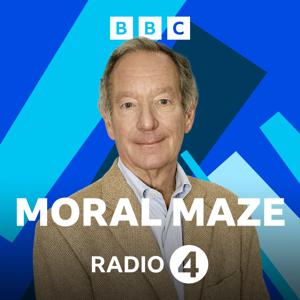

We’d probably all be able to give the government a score out of ten for its handling of the pandemic – but how many of us have even thought of subjecting ourselves to the same level of scrutiny? From illegal raves, house parties and large family weddings to the everyday decisions not to wear a mask or socially distance, how much should the public take a share of the responsibility for the spread of the virus? The author and commentator Matthew Syed claims that personal responsibility is “in retreat”. Citing a new drug to tackle obesity by hijacking the brain’s appetite-regulating system – while evidently good news – he cautions against the pernicious effects of easy fixes on human character and our sense of self. When a homeless person dies on the streets, many will view that tragedy as a “failure of the system”, and it would be unpopular to suggest the cause lies, even in small part, with the individual. Yet, individual autonomy is today’s sacred creed and it’s argued that with rights come responsibilities. Others believe there is a flaw in that logic because, as the pandemic has shown, we don’t all have the same resources or enjoy the freedom to pursue our lives as we would choose; that we are all products of our social background and no choice is made in a vacuum. What has our response to the pandemic revealed about the value we place in personal responsibility compared to other countries and cultures? Have we made too much or too little of the idea? And what does this tell us about how we should be tackling all kinds of social issues? Does an emphasis on free will, choice and responsibility help us to understand them better, or can it obscure what’s really going on? With Prof Sally Bloomfield, Dr Alexander Brown, Dr Deepti Gurdasani and Prof Sir Michael Marmot.
Producer: Dan Tierney.
 View all episodes
 By BBC Radio 4

4.6
5151 ratings
We’d probably all be able to give the government a score out of ten for its handling of the pandemic – but how many of us have even thought of subjecting ourselves to the same level of scrutiny? From illegal raves, house parties and large family weddings to the everyday decisions not to wear a mask or socially distance, how much should the public take a share of the responsibility for the spread of the virus? The author and commentator Matthew Syed claims that personal responsibility is “in retreat”. Citing a new drug to tackle obesity by hijacking the brain’s appetite-regulating system – while evidently good news – he cautions against the pernicious effects of easy fixes on human character and our sense of self. When a homeless person dies on the streets, many will view that tragedy as a “failure of the system”, and it would be unpopular to suggest the cause lies, even in small part, with the individual. Yet, individual autonomy is today’s sacred creed and it’s argued that with rights come responsibilities. Others believe there is a flaw in that logic because, as the pandemic has shown, we don’t all have the same resources or enjoy the freedom to pursue our lives as we would choose; that we are all products of our social background and no choice is made in a vacuum. What has our response to the pandemic revealed about the value we place in personal responsibility compared to other countries and cultures? Have we made too much or too little of the idea? And what does this tell us about how we should be tackling all kinds of social issues? Does an emphasis on free will, choice and responsibility help us to understand them better, or can it obscure what’s really going on? With Prof Sally Bloomfield, Dr Alexander Brown, Dr Deepti Gurdasani and Prof Sir Michael Marmot.
Producer: Dan Tierney.

7,913 Listeners

863 Listeners

1,067 Listeners

159 Listeners

5,576 Listeners

1,808 Listeners

1,729 Listeners

1,018 Listeners

2,113 Listeners

1,952 Listeners
32 Listeners
38 Listeners

428 Listeners
159 Listeners
43 Listeners
75 Listeners
108 Listeners
745 Listeners

3,245 Listeners

779 Listeners

1,010 Listeners
3,858 Listeners

1,314 Listeners
851 Listeners
48 Listeners