
Sign up to save your podcasts
Or

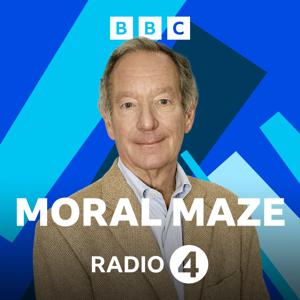

This week the Moral Maze asks: "is it our moral duty to have fewer children?" The question has been brought in to focus by two stories in the past week. First, that by 2027 the population of the UK is expected to top 70 million people and the second that China is to end its "one child" policy. With 238,737 births every day the world population is rapidly approaching 7 and a half billion and will be 8 billion by 2024. While many people will be campaigning for tougher policies at next month's UN climate change conference, should they also be calling for policies to control population growth? Without some technological miracle, more people will mean more unsustainable resource use, worse climate change, massive population displacement and large scale migration - something we're already seeing. If we can foresee the suffering that unrestrained population growth will cause for all those who live after us isn't it our moral duty to do something about it? Is it time to accept that having more than one child is just something that none of us has a moral right to do? Of course, if all the world's resources of food, energy, homes and knowledge were evenly distributed, the problems of population would be less urgent. So do we have a moral duty to take a less of them so that others who were born less fortunate can have more? This is global question, but also an intensely personal one. Is it reasonable to expect people to sacrifice their own family interests, in terms of size or privilege, in favour of the common good? Is our profound love for our family and our children a barrier to a more just society and equitable world? Chaired by Michael Buerk, with Matthew Taylor, Giles Fraser, Melanie Phillips and Anne McElvoy. Witnesses are Prof Sarah Conly, Hazel Healy, Frank Furedi and Dr Dernot Grenham.
 View all episodes
 By BBC Radio 4

4.6
5151 ratings
This week the Moral Maze asks: "is it our moral duty to have fewer children?" The question has been brought in to focus by two stories in the past week. First, that by 2027 the population of the UK is expected to top 70 million people and the second that China is to end its "one child" policy. With 238,737 births every day the world population is rapidly approaching 7 and a half billion and will be 8 billion by 2024. While many people will be campaigning for tougher policies at next month's UN climate change conference, should they also be calling for policies to control population growth? Without some technological miracle, more people will mean more unsustainable resource use, worse climate change, massive population displacement and large scale migration - something we're already seeing. If we can foresee the suffering that unrestrained population growth will cause for all those who live after us isn't it our moral duty to do something about it? Is it time to accept that having more than one child is just something that none of us has a moral right to do? Of course, if all the world's resources of food, energy, homes and knowledge were evenly distributed, the problems of population would be less urgent. So do we have a moral duty to take a less of them so that others who were born less fortunate can have more? This is global question, but also an intensely personal one. Is it reasonable to expect people to sacrifice their own family interests, in terms of size or privilege, in favour of the common good? Is our profound love for our family and our children a barrier to a more just society and equitable world? Chaired by Michael Buerk, with Matthew Taylor, Giles Fraser, Melanie Phillips and Anne McElvoy. Witnesses are Prof Sarah Conly, Hazel Healy, Frank Furedi and Dr Dernot Grenham.

7,913 Listeners

863 Listeners

1,067 Listeners
159 Listeners

5,576 Listeners

1,808 Listeners

1,729 Listeners

1,018 Listeners

2,113 Listeners

1,952 Listeners
32 Listeners
38 Listeners

428 Listeners
159 Listeners
43 Listeners
75 Listeners
108 Listeners
745 Listeners

3,245 Listeners

779 Listeners

1,010 Listeners

3,858 Listeners

1,314 Listeners
851 Listeners
48 Listeners