
Sign up to save your podcasts
Or


If you are in or plan to go into public service, you may have heard about public service loan forgiveness (PSLF for short). This economic incentive was intended to attract and keep employees in public sector positions such as district attorney or public defender by offering student loan forgiveness following a minimum period of service and on-time payments towards the borrower’s debt. The cost of this benefit is borne by the taxpayer and is aimed at making public work more attractive despite the relative low pay.
In recent times, the PSLF program has fallen under the scrutiny of budget cuts following the recession as Americans slog through the recovery period. Some critics believe that student loan borrowers in the public sector should pay for their own education especially with the relative job security and retirement benefits as compared to those in the private sector. Other critics state that not all public service positions should receive loan forgiveness and call for budgetary caps. But what would capping or eliminating public service loan forgiveness mean for our communities?
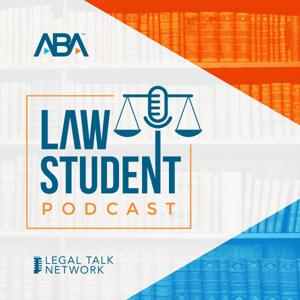
In this extended two segment episode of ABA Law Student Podcast, hosts Fabiani Duarte and Madison Burke interview Bryan Tyson, the executive director of the Georgia Public Defender Council and Jonathan Rapping, co-founder of Gideon’s Promise. In segment one, we hear from Bryan about the debt to income gap, his organization’s survey of public defenders about PSLF, and the increased importance of public defenders outside the practice of law. In segment two, we hear from Jonathan about student debt’s barrier to public service, the lifelong commitment of student loans, and concerns about poor people not getting justice in the event of PSLF cuts or caps.
 View all episodes
 By American Bar Association

4.5
5151 ratings
If you are in or plan to go into public service, you may have heard about public service loan forgiveness (PSLF for short). This economic incentive was intended to attract and keep employees in public sector positions such as district attorney or public defender by offering student loan forgiveness following a minimum period of service and on-time payments towards the borrower’s debt. The cost of this benefit is borne by the taxpayer and is aimed at making public work more attractive despite the relative low pay.
In recent times, the PSLF program has fallen under the scrutiny of budget cuts following the recession as Americans slog through the recovery period. Some critics believe that student loan borrowers in the public sector should pay for their own education especially with the relative job security and retirement benefits as compared to those in the private sector. Other critics state that not all public service positions should receive loan forgiveness and call for budgetary caps. But what would capping or eliminating public service loan forgiveness mean for our communities?
In this extended two segment episode of ABA Law Student Podcast, hosts Fabiani Duarte and Madison Burke interview Bryan Tyson, the executive director of the Georgia Public Defender Council and Jonathan Rapping, co-founder of Gideon’s Promise. In segment one, we hear from Bryan about the debt to income gap, his organization’s survey of public defenders about PSLF, and the increased importance of public defenders outside the practice of law. In segment two, we hear from Jonathan about student debt’s barrier to public service, the lifelong commitment of student loans, and concerns about poor people not getting justice in the event of PSLF cuts or caps.

91,297 Listeners

63,999 Listeners
137 Listeners
488 Listeners
76 Listeners

116 Listeners
10 Listeners

54 Listeners
32 Listeners
26 Listeners
10 Listeners
61 Listeners

113,121 Listeners
3,541 Listeners

20,222 Listeners

12,559 Listeners