
Sign up to save your podcasts
Or

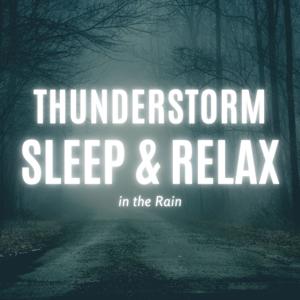

We all have a deep, almost primal connection with nature sounds. The rumble of a distant thunderstorm is more than just noise. It’s rhythmic, powerful, and oddly soothing. When you put on headphones and immerse yourself in these natural soundscapes, your brain starts to tune out distractions. The steady roll of thunder combined with the gentle patter of rain creates a kind of natural white noise that can help lower your heart rate and reduce stress.
Think of it like being wrapped in a cozy blanket made of sound.
Deep breathing is a cornerstone of meditation and relaxation techniques because it activates the parasympathetic nervous system — the part responsible for “rest and digest.” When you’re struggling to catch your breath, your body might be stuck in fight-or-flight mode. Deep breathing helps switch the gears.
Combine this with thunderstorm sounds, and you get a double whammy: the environment calms your mind, while your breath calms your body.
Focus on how the storm sounds wash over you — the rumble of thunder syncing with your breath, grounding you in the present moment.
Using headphones is key here. They block out external distractions and immerse you completely in the storm’s atmosphere. This creates a mini sensory retreat wherever you are — on the bus, at home, or even during a break at work.
Research shows that natural sounds — especially water and weather-related noises — can reduce cortisol levels (stress hormones) and improve mood. Pairing these sounds with controlled breathing has been linked to lowered blood pressure and improved respiratory function.
If you find yourself short of breath or anxious, this simple method could be a game changer when medication or other interventions aren’t immediately available.
Like any calming practice, consistency is key. Try this thunderstorm + deep breathing combo daily — even when you’re feeling okay. Over time, it trains your nervous system to relax faster and keeps stress from building up.
DISCLAIMER 📢This episode might be ad-supported. You can support us by subscribing for as little as $5 a month on our Patreon page or through Apple Podcast Subscriber-Only Audio. 🎉
👉 Check our Patreon
👉 Or subscribe using the Apple Podcasts app
Thank you so much for your generosity! 🙏
Connect with Us 📱Visit us on Facebook
Episode SponsorsNoota: The best transcription and AI Meeting Zoom alternative!
Sign Up here
Moxie 🌟
The Moxie app is designed specifically for freelancers and small business owners. It offers tools for:
Streamline your freelance workflow with Moxie! 😊
Learn more about Moxie
🎧 Transform Your Audio into Content Magic! 🎤Join our community of creators and enhance your Castmagic experience with custom Presets and Community Prompts. 🚀
🔥 Why You'll Love It:
🔗 Ready to Revolutionize Your Content? Sign up now and start creating magic today!
Hosted on Acast. See acast.com/privacy for more information.
 View all episodes
 By HustleStudios


3.1
105105 ratings
We all have a deep, almost primal connection with nature sounds. The rumble of a distant thunderstorm is more than just noise. It’s rhythmic, powerful, and oddly soothing. When you put on headphones and immerse yourself in these natural soundscapes, your brain starts to tune out distractions. The steady roll of thunder combined with the gentle patter of rain creates a kind of natural white noise that can help lower your heart rate and reduce stress.
Think of it like being wrapped in a cozy blanket made of sound.
Deep breathing is a cornerstone of meditation and relaxation techniques because it activates the parasympathetic nervous system — the part responsible for “rest and digest.” When you’re struggling to catch your breath, your body might be stuck in fight-or-flight mode. Deep breathing helps switch the gears.
Combine this with thunderstorm sounds, and you get a double whammy: the environment calms your mind, while your breath calms your body.
Focus on how the storm sounds wash over you — the rumble of thunder syncing with your breath, grounding you in the present moment.
Using headphones is key here. They block out external distractions and immerse you completely in the storm’s atmosphere. This creates a mini sensory retreat wherever you are — on the bus, at home, or even during a break at work.
Research shows that natural sounds — especially water and weather-related noises — can reduce cortisol levels (stress hormones) and improve mood. Pairing these sounds with controlled breathing has been linked to lowered blood pressure and improved respiratory function.
If you find yourself short of breath or anxious, this simple method could be a game changer when medication or other interventions aren’t immediately available.
Like any calming practice, consistency is key. Try this thunderstorm + deep breathing combo daily — even when you’re feeling okay. Over time, it trains your nervous system to relax faster and keeps stress from building up.
DISCLAIMER 📢This episode might be ad-supported. You can support us by subscribing for as little as $5 a month on our Patreon page or through Apple Podcast Subscriber-Only Audio. 🎉
👉 Check our Patreon
👉 Or subscribe using the Apple Podcasts app
Thank you so much for your generosity! 🙏
Connect with Us 📱Visit us on Facebook
Episode SponsorsNoota: The best transcription and AI Meeting Zoom alternative!
Sign Up here
Moxie 🌟
The Moxie app is designed specifically for freelancers and small business owners. It offers tools for:
Streamline your freelance workflow with Moxie! 😊
Learn more about Moxie
🎧 Transform Your Audio into Content Magic! 🎤Join our community of creators and enhance your Castmagic experience with custom Presets and Community Prompts. 🚀
🔥 Why You'll Love It:
🔗 Ready to Revolutionize Your Content? Sign up now and start creating magic today!
Hosted on Acast. See acast.com/privacy for more information.

1,693 Listeners

10 Listeners

53 Listeners

2,285 Listeners

1,116 Listeners

166 Listeners

748 Listeners

252 Listeners

346 Listeners

1,646 Listeners

97 Listeners

242 Listeners
90 Listeners

86 Listeners
5 Listeners

96 Listeners
12 Listeners

13 Listeners
7 Listeners

0 Listeners

3 Listeners

0 Listeners

0 Listeners

0 Listeners

0 Listeners

0 Listeners

0 Listeners

0 Listeners

0 Listeners

1 Listeners
0 Listeners

0 Listeners

4 Listeners
131 Listeners