
Sign up to save your podcasts
Or

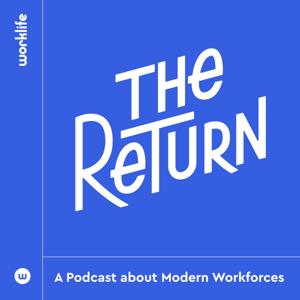

What does it look like when an organization doesn’t have any middle managers at all?
In our last episode, we spoke to Cary Cooper, a professor of organizational psychology and health at the University of Manchester, about the pitfalls of promoting an “accidental manager.” He doubled down on why the best player doesn’t always make the best coach, why proper management training is crucial, and how the younger generations are changing management.
So to avoid creating an “accidental manager,” what do you do?
Creating a whole new way of promoting managers is easier said than done. But this week’s guest did just that. Rob Pierre is the ex-CEO of Jellyfish, a global digital marketing company. During his time leading the company, Jellyfish pioneered a new way of thinking about the managerial path and debated if we need managers at all.
Throughout this episode, Pierre shares how Jellyfish operated without middle management, whether or not it was hard to implement, and how other organizations can replicate this model.
 View all episodes
 By Digiday

4.3
6161 ratings
What does it look like when an organization doesn’t have any middle managers at all?
In our last episode, we spoke to Cary Cooper, a professor of organizational psychology and health at the University of Manchester, about the pitfalls of promoting an “accidental manager.” He doubled down on why the best player doesn’t always make the best coach, why proper management training is crucial, and how the younger generations are changing management.
So to avoid creating an “accidental manager,” what do you do?
Creating a whole new way of promoting managers is easier said than done. But this week’s guest did just that. Rob Pierre is the ex-CEO of Jellyfish, a global digital marketing company. During his time leading the company, Jellyfish pioneered a new way of thinking about the managerial path and debated if we need managers at all.
Throughout this episode, Pierre shares how Jellyfish operated without middle management, whether or not it was hard to implement, and how other organizations can replicate this model.

7,697 Listeners

3,038 Listeners

10,282 Listeners

474 Listeners

5,201 Listeners

1,018 Listeners

6,089 Listeners
6,446 Listeners

12,372 Listeners

994 Listeners

1,534 Listeners

3,057 Listeners

19,524 Listeners

200 Listeners

144 Listeners