
Sign up to save your podcasts
Or

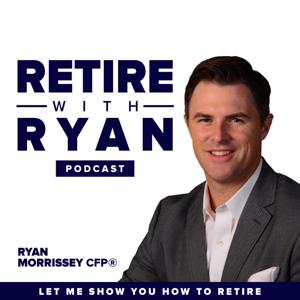


Do you know what to do with your pension plan? Do you have the option to have your pension paid out in a lump sum or in monthly payments? If you are unsure how to use your pension plan effectively as you head into retirement, you’ve come to the right place!
I know talk of pensions and annuities can be confusing, I don’t want to add to any of that confusion for you. Rather, I’d like to take some time to give you helpful information on lump sums, monthly payments, and more. Make sure you have pen and paper ready, you are going to need it!
You will want to hear this episode if you are interested in...If you don’t know what the situation is with your pension plan, you aren’t alone! I find that many of my clients know that they have a pension but they don’t know what their options are for using it. The two most common options when it comes to using your pension are;
There are several things to consider if you opt for the one-time lump sum payout. You could roll that money over to an IRA or you could pay the taxes on that lump sum and use right away. Make sure to listen to this episode as I expand on this topic and much more.
Planning for the long termMany people don’t take into consideration how their marital status will impact their efforts to plan for their future. When it comes to using your pension to purchase an annuity, make sure you know that the return may be impacted. Insuring two people on one policy is often more expensive - the benefit this allows for that the payments continue even if the person who earned the pension has passed away. What are you waiting for? Don’t leave your pension plan to the last minute! Learn more about using your pension wisely and a whole host of related topics by staying connected to this podcast!
Connect With Morrissey Wealth Management
www.MorrisseyWealthManagement.com/contact
I get it, most people think that taxes and even tax tips are boring. But what isn’t boring is the freedom that you will have by saving your money, investing it wisely, and keeping it protected.
No one likes to be stressed out - it can affect your health, your relationships, and so much more. One of the best ways to avoid stress to reduce the areas of complexity and concern in your life. While I don’t have a tone of tips when it comes to health and relationships, I do have some insights when it comes to investing your money and protecting it.
On this episode, you’ll hear me break down some simple and easy to understand tips that you can use to protect your money and make the most of retirement. While this is no means a definitive list, I wanted to get you a good start on what you need to succeed - make sure to subscribe to the podcast as I share more insights!
You will want to hear this episode if you are interested in...The federal government has rules for different age groups and income levels to make sure that the tax program works across the board. While there are many challenges to taxation at a federal and even at a state level, I found a few tips you can use to reduce your taxable income on the federal level.
Do you know anyone who vacations to a different part of the country for half of the year? Are there tax benefits to changing your residence to a different state? Thankfully, there are some helpful solutions out there to protect your money when it comes to state income taxes. One relatively easy way to lower your state income tax rate is to move to a state that doesn’t have an income tax.
Before you move, make sure to check out where that state gets their revenue - just because they have no income tax doesn’t mean they don’t try to get you through property taxes or cost of living increases. If you are looking at this option seriously, I recommend playing it by the book, the IRS considers you a resident of a state if you spend six months and one day in that state.
I know this topic can seem boring but I hope you found some helpful tips that will save you money in the long run - please let me know if you have any tips you have found helpful, I want to hear from you!
Resources & People MentionedIRMAA
Kiplinger’s State by State guide to taxes for retirees
14 States that won’t tax your pension
States without income tax
Federal tax income brackets
The SSA’s retirement planner page
www.MorrisseyWealthManagement.com/contact
Have you started planning for the day when you’ll apply to receive Social Security benefits? Do you know how old you need to be? What will you do if your spouse dies before you?
I know that Social Security can become a hot button political issue - but the truth is millions of Americans rely on Social Security for their income and for retirement planning. I want to cut through all the noise and talking heads out there and get you what you really need to know about Social Security and when you need to apply.
On this episode, you’ll hear a brief explanation about the program and how it works for people planning to retire, the five things I’ve identified that are critical to collecting Social Security the right way, why you don’t need to worry about Social Security solvency, and much more. Make sure you pay close attention to this informative episode, you don’t want to miss it!
You will want to hear this episode if you are interested in...Should you apply for SSN benefits as soon as you possibly can? It depends! For most people, the answer to that question is, no. If you and your spouse plan on working into your 60’s, you don’t need to collect SSN at the earliest possible date. The more you wait, the more benefits you’ll be able to collect from SSN. You can learn more about planning for the right time to apply to receive SSN benefits by visiting the link to the SSN administration located in the resources section at the end of this post.
5 things you need to ask about Social SecurityI have met with numerous individuals over the years as they plan for financial success and I’ve noticed five key things people should be on the lookout for as they plan to receive SS benefits. Each of these topics will help you filter and understand where you need to be when it comes to analyzing your Social Security options.
To hear a full break down of each of these categories and how the answers these questions will help you plan for the future, make sure to listen to this episode!
Don’t stress!Are you worried about the future especially when it comes to safety nets like Social Security? Does the gridlock in Washington D.C. leave you cynical and hopeless for long-term solutions? I know that it’s easy to get overwhelmed by negative and discouraging news but I want to give you a glimmer of hope. I really don’t think that Social Security will become insolvent - it sounds like a huge colossal problem when you talk to politicians but the truth is, Congress can fix it with some pretty simple changes. I am confident that if Social Security is left to fail, people will vote to correct that very quickly.
Resources & People Mentioned
www.MorrisseyWealthManagement.com/contact
2020 has been a crazy year, for sure. Many things have happened because of the COVID-19 pandemic that has swept the globe. The ripple effects are still being felt. The legislation passed by Congress to address the impact of the pandemic is multifaceted and impacts not only those who are retired or who are planning to retire soon, but also those who are beneficiaries of relatives’ IRAs.
This episode will highlight some of the most significant changes brought about by the CARES Act and the SECURE Act and will provide you with options you can consider for a variety of scenarios.
You will want to hear this episode if you are interested in...To address the impact of the COVID-19 pandemic, Congress passed two pieces of legislation that have an effect on Required Minimum Distributions. Those acts are the SECURE Act and the CARES Act. These acts change the rules surrounding how and when individuals are required to take distributions from tax-sheltered investment vehicles.
Previously, at age 70 ½ at least 3.5% of your IRA or 401K balance was required to be distributed to you. In an effort to help with the tax burden such distributions could cause, the CARES Act has changed that required distribution age to 72. That means you can delay having to claim more income because of an RMD and perhaps keep yourself in a more secure financial footing until the COVID crisis is over.
What if you’ve already taken your Required Minimum Distribution for 2020?It’s not uncommon for individuals who have to initiate their RMD to do so beginning in January of the calendar year, continuing to take set amounts out each month. With the changes brought about by these Acts, that may not be the best plan moving forward. But what if you HAVE already taken some or all of your RMD? What can you do?
Under the old rules, you would only have 60 days to roll the distribution you've received back into an IRA to avoid the tax implications of receiving it. But now, because of the pandemic, the IRS has released a notice that indicates that you have until August 31st to roll money back into the IRA it came from or to put it into a new one.
This applies to any RMDs from IRAs, 401Ks, 403Bs, SEPs, 457 Plans, Thrift Plans, and others.
The situation is different for beneficiaries of IRAsThe rules mentioned above do not apply to beneficiaries of IRAs. If you have taken your RMD as a beneficiary, you will have to pay taxes on it because you are not allowed at any time to roll that money back into an IRA that is not your own. That’s bad news for anyone who has taken out their entire RMD amount as a beneficiary. But if you have that RMD set to distribute money to you on a monthly basis, you can pause those distributions for the rest of the year to at least avoid having to claim the entire amount as income for 2020.
There is also a change to what has been known as the “stretch IRA” provisions. Previously, beneficiaries were allowed to stretch out RMDs for their entire lifetime. The 2020 COVID legislation has changed that. Now you only have 10 years to take your RMDs, at which point the account has to be completely empty. That means you will pay tax on each distribution when it happens. So consider your tax situation when deciding how you want to address this issue. If you’re still working you may not want to take the RMD now because it would add to your taxable income currently.
Strategies to reduce your tax burden because of RMDsWith these changes to the rules governing RMDs going into effect, many people are scrambling to do what seems best with their distributions. If you took any RMDs and decide that you don’t want that money to be counted as income for 2020, take action to roll it back into the IRA before August 31st (the extended deadline).
There is one exception to that August 31st deadline. If you were impacted directly by Coronavirus and it created financial hardship, you can take money out of your IRA, retroactive to January of 2020 and you can roll that money back into the IRA within three years, which is beyond the August 31st deadline of this year. But you have to be able to prove you were adversely impacted financially due to COVID.
Finally, you can donate your RMD directly to a charity or multiple charities. It will not be considered taxable income for you if you do and must go directly to one or more charities.
Listen to hear all the issues you should be thinking about when it comes to the changes recent legislation has made to RMDs.
Resources & People Mentionedwww.MorrisseyWealthManagement.com/contact
Retirement income planning is something we all know we need to do but don’t always get around to in a timely manner. One of the reasons we delay could be because we simply don’t know where to start. That’s why I’ve recorded this episode. I want you to know the basic, prudent steps that you can take to get your retirement ship sailing and to ensure that you feel comfortable with what your income is going to be like during retirement. It’s not a hard process, but it does take some thought and some assessment of where you’re at financially now and where you want to be financially during retirement.
You will want to hear this episode if you are interested in...Welcome to the very first episode of Retire with Ryan! Due to the restrictions of COVID-19, I haven’t been able to get the usual information I share in my adult education classes out there so I decided to try something new. I hope that these episodes help you as you invest and plan for the future.
Have you started investing in your Health Savings Account (HSA) yet? What are you waiting for? You might be thinking that you don’t have any pressing medical needs and you don’t see any coming your way soon - that’s OK - you should still consider investing in an HSA. On this episode, you’ll find out what an HSA is, how it works, benefits of investing in an HSA, action steps you can take, and so much more!
You will want to hear this episode if you are interested in...An HSA is a type of savings account that lets you set aside money on a pre-tax basis to pay for qualified medical expenses. By using untaxed dollars in an HSA to pay for deductibles, copayments, coinsurance, and some other expenses, you may be able to lower your overall health care costs. You will likely be familiar with an HSA if you participate in a high deductible health care plan. For a single individual in 2019, you can contribute $3,500 - if you are married, the limit is $7,000. If you are over 55 years old, you can make a $1,000 “Catch-up contribution” to your HSA.
Benefits of a TRIPLE TAX-FREE retirement playWouldn’t you like to protect your hard-earned money and maximize your buying power as you plan for retirement? What if you could position your money in a triple tax-free plan? While a triple tax-free plan may sound too good to be true, I can assure you - it’s not!
With an HSA, you receive a tax deduction when your money goes into the account, the money grows tax-deferred, and if you take it out for health-related costs - it’s tax-free. If you are maximizing your employer-provided retirement options like a 401k, I strongly encourage you to start investing your money into an HSA also.
Action steps you can take today!If you are anything like me, you need some solid action steps - concrete plans you can put into place to move things forward. Don’t let good advice and helpful insights go in one ear and out the other! Here are some key action steps you can take to get started with your HSA today.
You can learn more about these action steps that I suggest, and a ton of additional details about HSA investing by listening to this episode of Retire with Ryan - you don’t want to miss it!
Resources & People Mentionedhttps://morrisseywealthmanagement.com
From the publisher's feed
Ranked by our users in the last 21 days

799 Listeners

1,302 Listeners
542 Listeners
753 Listeners

552 Listeners

700 Listeners

576 Listeners

934 Listeners

832 Listeners

200 Listeners

147 Listeners

1,070 Listeners

187 Listeners

145 Listeners

103 Listeners