
Sign up to save your podcasts
Or

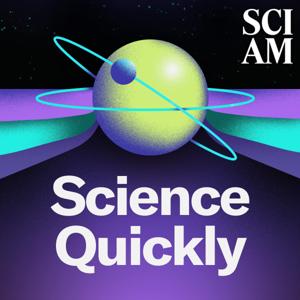

In this episode of Science Quickly, we dive into NASA’s latest headaches as the Artemis II moon mission hits delays. We also take a look at a massive solar flare that lit up the skies—and disrupted some tech—along with fresh concerns that PFAS “forever chemicals,” used to replace ozone‑depleting substances, are accumulating far more than expected. And new research shows that babies are actually born with a sense of rhythm.
Recommended Reading:
NASA document reveals new Artemis II moon mission target launch dates for March
NASA delays Artemis II moon mission after critical test raises issues
NASA’s Artemis II launch rehearsal hits a snag
The sun just unleashed its most powerful solar flare in years
Nearly half of people in the U.S. have toxic PFAS in their drinking water
E-mail us at [email protected] if you have any questions, comments or ideas for stories we should cover!
Discover something new everyday: subscribe to Scientific American and sign up for our daily newsletter.
Science Quickly is produced by Kendra Pierre-Louis, Fonda Mwangi, Sushmita Pathak and Jeff DelViscio. This episode was edited by Alex Sugiura, with fact-checking by Shayna Posses, Emily Makowski and Aaron Shattuck. Our theme music was composed by Dominic Smith.
Learn more about your ad choices. Visit megaphone.fm/adchoices
 View all episodes
 By Scientific American

4.4
13471,347 ratings
In this episode of Science Quickly, we dive into NASA’s latest headaches as the Artemis II moon mission hits delays. We also take a look at a massive solar flare that lit up the skies—and disrupted some tech—along with fresh concerns that PFAS “forever chemicals,” used to replace ozone‑depleting substances, are accumulating far more than expected. And new research shows that babies are actually born with a sense of rhythm.
Recommended Reading:
NASA document reveals new Artemis II moon mission target launch dates for March
NASA delays Artemis II moon mission after critical test raises issues
NASA’s Artemis II launch rehearsal hits a snag
The sun just unleashed its most powerful solar flare in years
Nearly half of people in the U.S. have toxic PFAS in their drinking water
E-mail us at [email protected] if you have any questions, comments or ideas for stories we should cover!
Discover something new everyday: subscribe to Scientific American and sign up for our daily newsletter.
Science Quickly is produced by Kendra Pierre-Louis, Fonda Mwangi, Sushmita Pathak and Jeff DelViscio. This episode was edited by Alex Sugiura, with fact-checking by Shayna Posses, Emily Makowski and Aaron Shattuck. Our theme music was composed by Dominic Smith.
Learn more about your ad choices. Visit megaphone.fm/adchoices

21,996 Listeners

10,994 Listeners

1,260 Listeners

2,737 Listeners

216 Listeners

82 Listeners

52 Listeners
770 Listeners

942 Listeners

76 Listeners

59 Listeners
959 Listeners
600 Listeners

824 Listeners

6,476 Listeners

403 Listeners
43 Listeners

4,285 Listeners

4,797 Listeners
6,577 Listeners

844 Listeners
3,624 Listeners