
Sign up to save your podcasts
Or

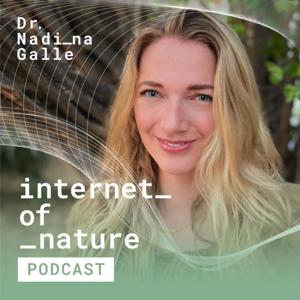

In this episode, Nadina sits down with Adrian Wong, SUGi’s UK Forest Lead, in the middle of the Forest of Thanks—a 10,000 m² Miyawaki forest planted in one of London’s most under-resourced boroughs. What was once a simple lawn is now a thriving woodland of oaks, elders, cherry trees, brambles, birds, and even resident foxes.
Adrian explains the Miyawaki method, a powerful approach to creating fast-growing, self-sustaining native forests in urban areas by planting densely, rebuilding living soils, and embracing the natural “messiness” of ecological succession. With 31 SUGi forests across London, most no bigger than a tennis court, Adrian shares how tiny forests can improve biodiversity, clean the air, soften noise, cool neighborhoods, and help stitch ecological corridors back into the city.
We also explore the human side of this work—from greening schoolyards next to airport runways, to kids planting their first-ever trees, to how daily access to nature boosts mental health and builds community resilience. Along the way, we discuss bioacoustics, iNaturalist, parakeets, fox dens, community gardening, and why messy forests may be the future of urban greening.
This is an episode about what happens when you loosen your grip on a piece of land—and watch life flood back in.
 View all episodes
 By Dr. Nadina Galle
5
99 ratings
In this episode, Nadina sits down with Adrian Wong, SUGi’s UK Forest Lead, in the middle of the Forest of Thanks—a 10,000 m² Miyawaki forest planted in one of London’s most under-resourced boroughs. What was once a simple lawn is now a thriving woodland of oaks, elders, cherry trees, brambles, birds, and even resident foxes.
Adrian explains the Miyawaki method, a powerful approach to creating fast-growing, self-sustaining native forests in urban areas by planting densely, rebuilding living soils, and embracing the natural “messiness” of ecological succession. With 31 SUGi forests across London, most no bigger than a tennis court, Adrian shares how tiny forests can improve biodiversity, clean the air, soften noise, cool neighborhoods, and help stitch ecological corridors back into the city.
We also explore the human side of this work—from greening schoolyards next to airport runways, to kids planting their first-ever trees, to how daily access to nature boosts mental health and builds community resilience. Along the way, we discuss bioacoustics, iNaturalist, parakeets, fox dens, community gardening, and why messy forests may be the future of urban greening.
This is an episode about what happens when you loosen your grip on a piece of land—and watch life flood back in.

43,659 Listeners

38,917 Listeners

50 Listeners

6,405 Listeners

791 Listeners

20 Listeners

1,854 Listeners

8,814 Listeners

14,319 Listeners

923 Listeners

16,301 Listeners

127 Listeners
96 Listeners

19,941 Listeners

5,866 Listeners