
Sign up to save your podcasts
Or

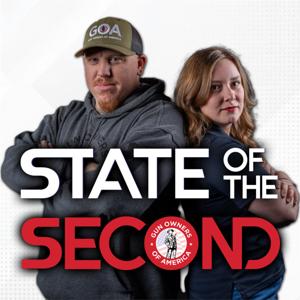


Roy Harrell joins State of the Second to talk about taking over his late brother Paul Harrell's firearms YouTube channel and keeping its practical, no-hype approach alive. Roy has been a cop for 37 years, started his law enforcement career in 1988 carrying a revolver, and has done hunter safety and firearms instructing, the same work his and Paul's father did. When Paul got sick, the brothers talked about the future of the channel and Paul asked Roy to take it over. They spent the next nine months before Paul passed working on videos together, with Paul giving pointers along the way. Roy is candid that being in front of the camera is intimidating, that it is not a one-take job, and that he doesn't write out full scripts the way Paul could, so the crew now films shorter monologues to keep takes manageable.
Roy lays out how he picks video ideas. He checks whether Paul already covered a topic, then puts his own spin on it, and he pulls heavily from viewer comments and emails. The channel aims at the common man rather than the latest black guns, new Staccatos, or every AR platform. That means older firearms, ammo comparisons, and lower-recoil calibers like the .32, .22, and .25 that older shooters and people with arthritic hands keep asking about. Roy walks through a recent video on transitioning from a long gun to a handgun for someone who isn't in full battle-belt defense mode, and he shares his interest in historic law enforcement events like the Newhall shootout and old 1960s and 70s police training films. He brings a long firsthand view of the field, from the switch from revolvers to Glocks to carrying an M16A1 in Marine Corps boot camp.
The soapbox segment turns to Oregon. Roy explains that 114, which would ban magazines over 10 rounds and require a permit and a class to buy a firearm, is sitting with the Oregon Supreme Court, and that the legislature is already writing new laws to keep the fight going. He wants to see the data behind the claim that a 10-round limit saves lives, points out there is no exception for someone with his age and experience to skip the class, and warns the rules would flood sheriff's offices and could put small gun stores out of business during a long pause in sales. He ties the shift to the greater Portland metro area outvoting the rest of the state and points listeners to groups like the Oregon Firearms Coalition. Roy closes on review integrity. Paul never took sponsors, and Roy is entering that world carefully, giving honest reviews even when a product fails. You can find the channel on Instagram and Facebook under Harrell Brothers in Arms, still listed under Paul as a nod to him.
When his brother Paul got sick, the two discussed the channel's future and Paul asked Roy to take it over. They worked on videos together for the nine months before Paul passed, with Paul giving him pointers along the way.
Roy is candid that being on camera is intimidating and not a one-take job. Unlike Paul, he doesn't write out full scripts, so the crew now films shorter monologues to keep the takes manageable.
Roy checks whether Paul already covered a topic, then puts his own spin on it. He pulls his ideas heavily from viewer comments and emails.
The channel aims at the common man rather than the newest black guns or AR platforms. That means older firearms, ammo comparisons, and lower-recoil calibers like the .32, .22, and .25 that older shooters and people with arthritic hands keep asking about.
Measure 114 would ban magazines over 10 rounds and require a permit and a class to buy a firearm. Roy says it is sitting with the Oregon Supreme Court while the legislature already writes new laws to keep the fight going.
Roy warns the permit requirement would flood sheriff's offices and that a long pause in sales could put small gun stores out of business. He also wants to see the data behind the claim that a 10-round limit saves lives and notes there is no exception for someone with his age and experience to skip the class.
Roy gives honest reviews even when a product fails. Paul never took sponsors, so Roy is entering that world carefully to protect the channel's integrity.
The channel is on Instagram and Facebook under Harrell Brothers in Arms. It is still listed under Paul Harrell's name as a nod to him.
Roy Harrell is the brother of the late Paul Harrell and the person who now runs Paul's firearms YouTube channel, which he took over at Paul's request after Paul got sick. He has been a law enforcement officer for 37 years, starting in 1988 carrying a revolver, and the host introduces him as a former deputy sheriff. He is a longtime hunter safety and firearms instructor, the same work his and Paul's father did. He went through Marine Corps boot camp with an M16A1 and served as active duty Air Force, including time in Honduras. He has lived in Oregon his entire life. The channel can be found on Instagram and Facebook under Harrell Brothers in Arms and is still listed under Paul Harrell's name as a nod to him.
Anna Taylor joins State of the Second to tell the story behind Dean Adams, the concealed carry company she built after a frustrating start with her own first gun. In 2013 she was a stay at home mom with four young kids in a shady part of Kansas City called Grandview, and her husband at the time traveled often. The conversations around Sandy Hook and the fear of losing rights pushed her to get her concealed carry permit. The gun store handed her the "shrink it and pink it" girl gun, she got home, and she could not find education or a way to carry that was comfortable, safe, and actually worked. She locked the gun up. Then she cut out a computer mousepad, sewed it to her postpartum wrap corset, and the gun disappeared under her T-shirt. That was the first prototype. Many designs later she launched her first concealed carry corset and kept going with education and instructor training.
From that corset the line grew into thigh holsters built like shapewear, a bra holster, and concealed carry leggings. Anna walks John through the design priorities that separate a real holster from cloth: trigger protection, retention that does not slow your draw, consistent positioning that conceals on a woman's "squishy" spots, and a natural draw stroke that does not flag anyone with the muzzle. She also covers training as a mom, including running drills one handed while moving a child out of the way and covering a baby's ears on the draw. Her EDC is the P365, and she names her company after her grandfather, who taught her guns should be respected and not feared.
The conversation gets personal and practical. Anna wrote a book, Intuitive by Design: A Woman's Guide to Fear and Self Defense, centered on mindset as the first line of defense. She shares her own history of abuse and the night a false alarm finally broke fear's hold on her. The hosts cover the media narrative around domestic abuse survivors and firearms, the "gun bunny" debate in the industry, her strategy of marketing to women through the men who buy for them, and detailed situational awareness habits for parents at the store and in the parking lot. She closes by teasing new products, including a first collection of smart holsters that integrate with a cell phone as part of a safety plan.
In 2013, as a stay at home mom of four in Kansas City, Anna Taylor got her concealed carry permit but found no comfortable, safe way to carry the gun she was sold. With passion and a sense of duty rather than formal qualifications, she built a holster prototype and went on to launch Dean Adams.
She cut out a computer mousepad and sewed it to her postpartum wrap corset, which made the gun disappear under her T-shirt. After many design iterations, that first prototype became her concealed carry corset.
Anna says a real holster needs trigger protection, retention that holds the gun without slowing your draw, and consistent positioning that conceals on a woman's softer spots. It also has to allow a natural draw stroke that never points the muzzle at anyone.
Anna trains for it directly, running one handed drills while moving a child out of the way and covering a baby's ears on the draw. Her thinking is that under stress you default to how you've trained, so she practices the real scenario.
Intuitive by Design: A Woman's Guide to Fear and Self Defense centers on mindset as the first line of defense. Anna shares her own history of abuse and the night a false alarm finally broke fear's hold on her.
Anna and the hosts discuss the media narrative around abuse survivors and guns, and her own experience as a survivor who decided she would do anything to stand between her kids and a predator. The episode frames firearm ownership as part of that survivor's safety plan.
The "gun bunny" debate weighs the industry's sexualized marketing against educated, serious female shooters. Anna reflects on how the gun store experience and the market for women have shifted over the 13 years since she started Dean Adams.
Anna teaches detailed awareness routines for parents at the store and in the parking lot, built on the idea that predators look for easy, weak targets. She also covers marketing to women through the men who buy firearms for them.
Anna Taylor is the founder and CEO of Dean Adams, a concealed carry holster company she started in 2013. At the time she was a stay at home mom with four young kids living in the Grandview area of Kansas City, where her husband at the time traveled a lot. After a frustrating experience trying to carry her first gun, she built a holster prototype from a computer mousepad sewn to her postpartum corset, then pursued firearms education and instructor training. Thirteen years later her line includes the concealed carry corset, thigh holsters, a bra holster, and concealed carry leggings. She is also the author of Intuitive by Design: A Woman's Guide to Fear and Self Defense, teaches private firearms classes, and offers a line of e-learning material. Her company is named after her grandfather, who taught her that guns should be respected and not feared.
Joe Farewell joins John and Kaylee for a conversation about what high-level firearms training actually delivers, and why the answer is rarely what new students expect. Joe is a former law enforcement officer and SWAT sniper team leader who spent seven years in policing in Florida before leaving toward the end of 2018 to teach full time. He's also a competitive shooter who represented Team USA at the IPSC Rifle World Shoot, taking silver in 2019 and gold in 2024. He walks through how competition shooting is structured, from local matches up to nationals and the World Shoot, which he calls the Olympics of practical shooting, and what it takes to travel overseas with guns and ammo through the paperwork each country requires.
A through-line of the episode is Joe's training philosophy. He measures everything against three goals: the desired level of accuracy, speed, and consistency. He argues shooting is shooting whether the purpose is competition, self defense, or military use, so the fundamentals stay the same even as the application changes. He built the Dry Fire Mastery programs in 2020 during COVID after learning to improve on roughly 50 to 100 rounds a week by doing millions of dry fire repetitions for free. He explains why isolating a skill in dry fire and fixing it raises performance, and why understanding the why behind a drill matters more than burning a thousand rounds a day on flashy work.
Joe is direct about the biggest misconception students bring to advanced classes: they expect to walk away a far better shooter after two days. He compares it to taking a gym class for two days in a row and expecting to be ripped. The real value of a class is the homework and the understanding of what to train and why. The conversation moves to his move from Florida to California, the gun culture and growing matches he's found there, the new laws affecting California gun owners, and his view that growing the competition community can shift the state's politics. He closes on gear: he runs Atlas pistols and Cobalt rifles, but shows up to teach law enforcement with a stock gun so the work, not the equipment, makes the point.
Joe Farewell says the real value of an advanced class is the homework and the understanding of what to train and why, not an overnight skill jump. Expecting to walk away a far better shooter after two days is like taking a gym class twice and expecting to be ripped.
It runs from local matches up through nationals to the IPSC Rifle World Shoot, which Joe Farewell calls the Olympics of practical shooting. He represented Team USA there, taking silver in 2019 and gold in 2024.
Competing abroad means working through the firearm and ammunition paperwork each country requires before you can travel with your guns and ammo. Joe Farewell did this to shoot the IPSC Rifle World Shoot internationally.
Joe Farewell measures everything against accuracy, speed, and consistency. He argues shooting is shooting whether the purpose is competition, self defense, or military use, so the fundamentals stay the same even as the application changes.
Dry fire is repetition practice without live ammunition, which lets you isolate a single skill and fix it at no cost. Joe Farewell improved on roughly 50 to 100 live rounds a week by doing millions of dry fire reps, and built his Dry Fire Mastery programs in 2020 around that approach.
Joe Farewell spent seven years in policing in Florida as a SWAT sniper team leader before leaving toward the end of 2018 to teach full time. He now runs Farewell Firearms Training, focused mostly on law enforcement, military, and instructor development.
After moving from Florida to California, Joe Farewell found a real gun culture and growing matches there, alongside new laws affecting California gun owners. He believes growing the competition community can shift the state's politics.
Joe Farewell runs Atlas pistols and Cobalt rifles, but shows up to teach law enforcement with a stock gun so the work, not the equipment, makes the point. The skill comes from training, not the hardware.
Joe Farewell is a former law enforcement officer and SWAT sniper team leader who spent seven years in policing in Florida before leaving toward the end of 2018 to teach firearms full time. He is a competitive shooter who represented Team USA at the IPSC Rifle World Shoot, winning silver in 2019 and gold in 2024. He founded Farewell Firearms Training, where he trains civilians, law enforcement, and military units with a practical, real-world approach, and his current focus is mostly law enforcement and military classes along with instructor development. In 2020 he started the Dry Fire Mastery programs, including multigun, competition handgun, carbine, and home defense courses. He started shooting matches around age 19 or 20, has about 15 years doing this, and recently moved from Florida to California. He shoots Atlas pistols and Cobalt rifles.
Dianna Muller joins State of the Second to explain the strategy behind the teal shirts and the slogan that defines her work: educate, not legislate. A retired Tulsa police officer turned professional competitive shooter, she walks host John through how she went from ignoring politics for most of her adult life to founding the DC Project and Women for Gun Rights. The turning point came when she stood in front of a congressman and asked whether professional shooters should be doing something to educate the people in that building. After Virginia fell in 2019, she realized the real fight was in the states, and she asked the women who had been coming to Washington to go home and meet their own legislators as gun owners.
Much of the conversation is about why the other side keeps gaining ground. Muller argues that groups like Moms Demand Action are intentional, organized, and funded, citing a roughly 60 million dollar annual budget on their side against a David and Goliath gap on hers. She points to the Biden administration's Office of Gun Violence Prevention as government money that helped states write red flag laws and universal background checks, and she describes asking the White House for a Second Amendment counsel so the movement's organizations can strategize and row in the same direction. Her answer to the funding gap is participation: become a 40 or 50 dollar member of every Second Amendment organization, take one new person to the polls, and show up for the midterms.
The episode closes on practical advice and a personal mission. Muller pushes listeners to be intentional, to study the arguments so they can actually answer why someone needs an AR-15 or why universal background checks are a bad idea, and to keep talking to people and media outlets even after being burned. She makes the case that women can carry the gun-rights message in a way legacy voices cannot, wants firearms and hunter safety education back in schools, and frames competition's pseudo stress as the real training that translates to carrying. She also shares the big announcement: Women for Gun Rights is moving to a paid membership model and launching a 501(c)(3) called Women for Gun Safety to reclaim the word safety, because in her words guns make you safer.
It is the message on the signature teal shirts worn by Dianna Muller's DC Project women, who meet legislators as gun owners to educate them rather than push new laws. The idea grew from Muller asking whether professional shooters should be educating the people inside government buildings.
Dianna Muller spent 22 years with the Tulsa Police Department before retiring to shoot professionally, and she ignored politics until she stood before a congressman and realized shooters needed to educate lawmakers. She built the DC Project around one woman per state, then took it to the states as Women for Gun Rights.
Muller argues that women can carry the Second Amendment (2A) message in a way legacy voices cannot, reaching audiences that traditional gun owners struggle to reach. She pairs that with a personal mission to build firearms that actually fit women rather than 'shrink it and pink it' versions.
Muller describes a David and Goliath gap, citing a roughly 60 million dollar annual budget on the other side, and calls groups like Moms Demand Action intentional, organized, and funded. She says government money under the Office of Gun Violence Prevention helped states write red flag and background check laws.
It is a coordinating role Muller has asked the White House to create so the movement's organizations can strategize and row in the same direction. She frames it as a way to close the organizational gap with well-funded, intentional opponents on the other side.
Muller urges participation: become a 40 or 50 dollar member of every Second Amendment (2A) organization, take one new person to the polls, and show up for the midterms. She also says to study the arguments so you can answer why someone needs an AR-15 or why universal background checks are a bad idea.
Muller tells gun owners to meet their own state legislators in person as gun owners, the same model that built the DC Project. Her point is that it is not enough for you to know their name; they need to know your name.
Women for Gun Rights is moving to a paid membership model and launching a 501(c)(3) called Women for Gun Safety. Muller says the goal is to reclaim the word safety, because in her view guns make you safer.
Dianna Muller is a retired law enforcement officer, professional competitive shooter, and Second Amendment advocate, best known as the founder of the DC Project and Women for Gun Rights. She spent 22 years with the Tulsa Police Department before retiring a little early to shoot professionally after picking up sponsorships. She started the DC Project by inviting one woman from every state to meet their legislators in Washington as gun owners, then expanded the effort to the state level under the Women for Gun Rights name. She shoots three gun: rifle, pistol, and shotgun.
On this episode of State of the Second, host John sits down with Ryan from Atrius Development Group, the company behind the FRS (force reset selector). Ryan grew up around guns. His dad was ex-LAPD, he and his co-founder Malcolm served in the military, and he got into the industry around 19 or 20 at a startup near where he grew up, where he started by packing boxes and went on to help launch almost 700 accessories. He describes the accessory market as a place where you can be "an ally to everybody and enemy to nobody," and he frames Atrius as an extension of a manufacturer's product development team that fills gaps so brands can focus on building reliable weapon systems.
Ryan walks through how the accessory market has driven real cultural shifts. SB Tactical's brace gave birth to the AR15 pistol, suppressor brands weren't even allowed at SHOT Show in the early 2000s, and he believes the force reset category is the next shift. He explains that the FRS is a drop-in, reverse-compatible semi-automatic solution that follows the letter of the law, and that Atrius wants it to reach common use across the biggest addressable market. He and Malcolm expected to get targeted but thought it would take two years. Instead it happened in about six months. He credits the community, the dealer network, and shouts out Tim Hoffman and Hoffman Tactical for carrying them through. He also points to the product's business impact. Dealers have called to say his product is selling so well they don't have to lay off their teams, and he calls it one of the few categories not feeling the "Trump slump."
The conversation moves into advocacy and the meaning of the Second Amendment. Ryan argues weapons are an apolitical issue because everyone should have the right to firearms, and he says the system is weaponized against gun culture through debanking, fintech companies that won't support firearms businesses, and marketing agencies that won't work with gun brands. He frames the Second Amendment plainly. It's about overthrowing a tyrannical government, not just hunting or self-defense, and reminds listeners it's "the Bill of Rights, not the Bill of Needs." He talks about normalizing gear and capability instead of gatekeeping it, having fun in the commercial space, and the new diversity of gun owners, including legal immigrants discovering the right to defend themselves. Looking at 2026, Ryan wants the FRS in the mainstream, an FRS ecosystem, and inline SKU support so a dealer's shelf has weapon systems with an FRS already installed. He closes by pointing people to Atrius on Instagram, and the show wraps with details on GOALS 2026, GOA's 50th anniversary celebration in Des Moines, Iowa, August 1st and 2nd.
The FRS is Atrius Development Group's drop-in, reverse-compatible semi-automatic solution that Ryan says follows the letter of the law. Atrius wants it to reach common use across the largest addressable market.
Ryan points to accessories that reshaped the market: SB Tactical's brace gave rise to the AR15 pistol, and suppressor brands went from being barred at SHOT Show in the early 2000s to mainstream. He sees the force reset category as the next shift.
Ryan frames the FRS as a compliant, drop-in semi-automatic solution following braces and suppressors as the next category to reach common use. He and co-founder Malcolm expected to get targeted in two years, but it happened in about six months.
Ryan says dealers have called to tell him the product is selling so well they don't have to lay off their teams. He calls force reset one of the few categories not feeling the slowdown he refers to as the Trump slump.
Ryan argues the Second Amendment is strictly about the ability to overthrow a tyrannical government, not just hunting or self-defense. He reminds listeners it is the Bill of Rights, not the Bill of Needs.
Ryan says gun culture is targeted through debanking, fintech companies that won't support firearms businesses, and marketing agencies that refuse to work with gun brands. He views the right to firearms as an apolitical issue.
For 2026 Ryan wants the FRS in the mainstream, a full FRS ecosystem, and inline SKU support so a dealer's shelf can carry complete weapon systems with an FRS already installed.
Ryan describes the accessory space as a place to be an ally to everybody and an enemy to nobody, and says brands increasingly have to work together for everyone to win. He frames Atrius as an extension of a manufacturer's product development team.
Ryan is a co-founder of Atrius Development Group, which he started with his best friend Malcolm. He has been in the firearms industry since he was around 19 or 20 years old. He and Malcolm both served in the military, and his father was ex-LAPD. Before founding Atrius, he spent almost his entire career at one company, starting by packing boxes, where he helped launch close to 700 accessories in support of high-volume platforms. Atrius makes the FRS (force reset selector), a drop-in, reverse-compatible semi-automatic solution. He previously released a P80 frame with Dave of Matador Arms.
The Forge Relations team returns to State of the Second for a post-Gundies wrap-up, and this year's show was different in one major way: it went live. Ben and Will explain that Ben had pushed a live stream for years before they finally pulled it off, and the deciding factor was finding the right home for it. YouTube was a non-starter because the platform told them a stream would be cut if a guest said something against its guidelines, and with the level of investment involved, a mid-show cutoff was a risk they couldn't take. Rumble stepped in, set up the account, and gave them internal team support. The result, by their own account, was the best year yet, with just under a thousand confirmed attendees in the room, around 200,000 watching the stream, and a noticeably more senior crowd of owners and C-suite leaders at the Venetian Theater during SHOT.
Much of the conversation is about why a marketing agency keeps taking on an event this size. Ben and Will are blunt that the Gundies is separate from Forge and isn't a money-maker. They put roughly 3,500 man hours into it this year on top of running the agency, and every year they have the same internal debate about whether it's worth the headache. They keep going because they believe in the industry and the community, and because the event grows everyone together. A creator who misses top five still gets new eyes from people who'd never seen them, since voters have to look at every name in a category. The hosts back this up from backstage: even Hickok, with 10 million subscribers, was genuinely excited to win, and John says he's watched sub counts climb after the Gundies post. Ben and Will also address this year's drama head on, saying voting has always been organic, that more followers means more votes is a volume game and not rigging, and that they said their piece and won't turn the drama machine on.
The episode closes with two forward-looking pieces. First, the Gundies is becoming a standalone brand and will no longer go dark after the show. It's launching its first-ever trivia night at GOA's GOALS event, a 2A-themed game with real prizes from sponsors including title sponsor PSA, and the hosts say they'll also work with Rumble on it. GOALS runs August 1st and 2nd in Des Moines, Iowa, marking GOA's 50th anniversary, and Forge is providing Saturday night's entertainment. Second, in the Soapbox segment, Ben and Will talk about getting new gun owners off the fence and into the community. Their answers center on content: let mainstream outlets show the industry without a political spin, represent the new customer who often doesn't look like the standard gun owner, and for aspiring creators, be authentic, stay consistent, and don't wait for perfect before posting.
Ben had pushed for a live stream for years, and the show finally went live once they found the right home. YouTube was ruled out because the platform said a stream could be cut if a guest violated its guidelines, a risk too large for the investment, so Rumble stepped in, set up the account, and provided team support.
By Ben and Will's account it was the best year yet, with just under a thousand confirmed attendees in the room and around 200,000 people watching the stream. The crowd at the Venetian Theater during SHOT was also noticeably more senior, with more owners and C-suite leaders.
Ben and Will say they put roughly 3,500 man hours into the event this year, on top of running the agency. The Gundies is separate from Forge Relations and is not a money-maker.
Ben and Will keep going because they believe in the firearms industry and community and want to see it grow, since that growth benefits everyone. They have the same internal debate every year about whether the headache is worth it, and they keep choosing to do it.
Ben and Will addressed the drama directly, saying voting has always been organic and that more followers meaning more votes is a volume game, not rigging. They said their piece and chose not to feed the drama machine further.
Because voters have to look at every name in a category, a nominee who misses the top five still gets new eyes from people who had never seen them. The hosts note even Hickok, with 10 million subscribers, was genuinely excited to win, and John has watched subscriber counts climb after a Gundies post.
The Gundies is launching its first-ever trivia night, a Second Amendment themed game with real prizes from sponsors including title sponsor PSA. It runs at GOA's GOALS event in Des Moines, Iowa on August 1st and 2nd, with Forge providing Saturday night's entertainment.
For new gun owners, they want mainstream content that shows the industry without a political spin and represents customers who don't fit the standard mold. For aspiring creators, the advice is to be authentic, stay consistent, and not wait for perfect before posting.
Ben and Will are with Forge Relations, the marketing agency that produces the Gundies firearms industry awards show. The hosts describe them as gun owners first, and they call themselves a marketing agency that also does events. In this episode they describe the Gundies as separate from Forge and built for the firearms industry and community, not as a revenue source. This was around their third appearance on State of the Second. The Gundies is heading into its eighth year, with the awards show held at the Venetian Theater during SHOT.
Professional competitive shooter Jalise Williams joins hosts Kaylee and John for a conversation about a career built on discipline, family, and a deep love of firearms history. A Team USA representative, Jalise is a 12-time world champion with 43 national titles and more than 200 major wins, and she became the first woman in the United States to qualify for the USA Overall Team (long called the Men's Team) at the Handgun World Shoot. She traces it all back to St. George, Utah, where she grew up hunting with her father from the time she was in diapers. After her mother took a local ladies' night clinic and suggested she learn handguns, Jalise and her sister fell in love with the sport and entered the competitive circuit. Twelve years later, she is at the top of it.
She walks through what making the Overall Team actually takes: a two-year qualification across your best three of four national championships, with only the top four competitors selected. After one of the best matches of her life she slipped into the fourth spot, then went to the world championship and came home with two gold medals. Jalise shoots for Colt, where she has been on the team for seven years after a stint with Springfield Armory and a breakout single-stack season on two Colt Gold Cups. A history lover, she is proud to represent a brand so embedded in American history, and she now helps test Colt products before release. She also opens up her training: when she is home, three hours a day on the range, dry fire, a CO2 kit for simulated recoil, daily gym work, and a fundamentals block of about 100 rounds on one-inch dots at 5, 7, and 10 yards that she has run for a decade.
The back half turns to community and history. Jalise encourages women entering the sport to use social media to connect with other women shooters and to lean on resources like online classes and groups such as A Girl & A Gun and The Well Armed Woman, with Steel Challenge as a beginner-friendly first discipline. She shares her family's hunting tradition, including a South Africa hunt tied to last year's world championship and a bucket list that runs from moose to dove hunting in Argentina. Her love of history shows in her favorites, from the Single Action Army to black powder guns, and in a top-five list that includes the 1911, the 2011, and the AR-15. On the Soapbox, she gets candid about the mental side of competition, the habit of getting in her own head, and why staying willing to fail and learn is the only way to keep climbing.
She grew up hunting with her father in St. George, Utah from a very young age. After her mother got a concealed carry permit and took a local ladies' night clinic, she suggested Jalise learn handguns too, and Jalise and her sister fell in love with the sport and entered the competitive circuit twelve years ago.
Team USA selection runs off your best three of four national championships over two years, with only the top four competitors chosen. Jalise slipped into the fourth spot after one of the best matches of her life, then won two gold medals at the world championship, becoming the first US woman to make that team.
She has been on the Colt team for seven years, after shooting Springfield Armory and then winning a national-title season with two Colt Gold Cups in single stack. A Shooting USA recommendation connected her to Colt, and she values the brand's place in American history. She now helps test Colt products before release.
When she is home, Jalise trains about three hours a day on the range, dry fires, and uses a CO2 kit for simulated recoil, plus daily gym work. She starts every session with fundamentals, roughly 100 rounds on one-inch dots at 5, 7, and 10 yards, a drill she has run for about ten years.
She suggests watching videos, researching shooting organizations, and going to spectate a local match. Steel Challenge is her recommended starting discipline because it is beginner-friendly and builds fundamentals, and talking to local shooters can help you borrow gear and ease into your first match.
Use social media to connect with other women in competitive shooting, and lean on resources like online classes and women's organizations such as A Girl & A Gun and The Well Armed Woman. A little research helps you find the path and the discipline that fit you best.
Jalise says the sport is largely mental, since anyone can have the skills but performing on demand under pressure is the hard part. She has struggled with getting in her own head and stresses staying willing to learn, grow, and fail, because that is how you reach the next level.
A history lover, she names the Single Action Army as a favorite, along with the 1911 she has shot for most of her career, the 2011 that built on it, and the AR-15. The hosts add classics like the M1 Garand and the Winchester 92.
Jalise Williams is a professional competitive shooter and Team USA representative, a 12-time world champion with 43 national titles and more than 200 major wins, and the first US woman to qualify for the USA Overall Team (formerly the Men's Team) at the Handgun World Shoot. She grew up hunting in St. George, Utah and has competed for about 12 years, shooting for Colt for the last seven. She also runs an educational shooting series on YouTube.
State of the Second hosts Kaylee and John sit down with Colton, founder and CEO of Reap Weaponry, a central Minnesota company built around a bullpup conversion kit for the AR platform. The idea came out of coyote hunting in the Midwest, where Colton and his crew got tired of lugging around 18-inch guns and suppressors and wanted to shorten everything up. He didn't like the bullpup options on the market, found that nobody was making a conversion system, and went down the patent process to build one. Reap's kit is legally a grip that bolts onto a mil-spec AR lower, so it isn't serialized and works with parts builders already own. It supports buffered and bufferless uppers, a shortened buffer system built in partnership with Deadfoot Arms, bolt receivers, and a wide caliber list, with an AR10 frame releasing next month.
Colton walks through what it took to go from an idea to a business. He failed roughly 30 times on prototypes before it worked, ran a lot of drop and mud tests, and engineered a self-lubricating, self-clearing bushing so the system never needs oil. Some test kits have 18,000 rounds through them with a three-pound trigger pull and have never been opened or cleaned. He stresses doing the patent search right, paying for a strong provisional patent, and the surprise that many engineers, lawyers, and even website companies will not touch the firearms industry at all. He launched at SHOT Show out of a small booth in the basement, sold out a 50-unit preorder in two weeks, and had competitors copy the concept within three months.
The conversation moves into marketing, education, and the influencer game. Colton bet on smaller YouTubers, sending about 30 of his first hundred units to creators starting out, because they were hungry, made multiple videos, and leaned into education more than entertainment. He chose a prove-it mentality over claiming the product is good himself. The demographic surprised him: older hunters and shooters using the lighter, one-handed-capable bullpup for accessibility after shoulder or hip replacements. The episode closes on the soapbox segment about running a gun company in Minnesota, the state-level pressure, and the value of staying level headed and supporting groups like Minnesota Gun Rights.
Reap Weaponry's kit converts a standard AR into a bullpup, shortening the overall package while keeping the gun functioning as an AR15. It bolts onto a mil-spec AR lower and works with parts builders already own, supporting buffered and bufferless uppers across a wide caliber list.
The kit is legally a grip that bolts onto a mil-spec AR lower, so it is not serialized. That lets it work with the lowers and parts builders already own rather than requiring a new firearm.
Reap built a shortened buffer system into the kit so it could run compact uppers, developing it in partnership with Deadfoot Arms. The system also supports bolt receivers and both buffered and bufferless uppers.
Colton failed roughly 30 times on prototypes before the system worked, then ran extensive drop and mud testing. He engineered a self-lubricating, self-clearing bushing so the kit never needs oil, with some test units running 18,000 rounds without being opened or cleaned.
Colton stresses doing the patent search correctly and paying for a strong provisional patent. He also learned that many engineers, lawyers, and even website companies refuse to work with the firearms industry, which made building the business harder than expected.
Colton sent about 30 of his first hundred units to smaller, up-and-coming creators because they were hungry, made multiple videos, and leaned into education over entertainment. He chose a prove-it approach, putting the product in people's hands rather than claiming it was good himself.
The buyers skewed toward older hunters and shooters who valued the lighter, one-handed-capable bullpup for accessibility after shoulder or hip replacements. That accessibility-driven demographic was not the audience Colton expected.
Colton manufactures in Minnesota and Wisconsin and faces real state-level pressure on the industry. He emphasizes staying level headed and supporting advocacy groups like Minnesota Gun Rights.
Colton is the founder and CEO of Reap Weaponry, a firearms company based in central Minnesota. A fifth-generation farmer, he grew up farming and painting cars and started the company around age 22 or 23 with no background in business or marketing. The idea grew out of coyote hunting in the Midwest, where he wanted a shorter package than the 18-inch guns and suppressors he was lugging around. He pursued a patent and developed Reap's bullpup conversion system, which the company manufactures in Minnesota and Wisconsin. Reap also does local sales of suppressors, thermals, and FFL work as a dealer in central Minnesota.
In this episode of State of the Second, hosts Kaylee and John sit down with Jennifer, the director of sales and marketing at Urban Chic. The brand makes stylish everyday carry accessories with integrated Level 3A ballistic protection, built with DuPont Kevlar and patented technology. Founded in 2018, the company set out to bring personal protection into a genuine leather bag that looks like an everyday purse, rather than the tactical, pink-camo gear that dominated the market for women. Jennifer explains that the protective insert adds only 17 ounces to the bag, so it stays discreet instead of feeling like a bulletproof vest.
The conversation centers on what makes the product different. The patent is in how the bag deploys on the body. A loose Kevlar insert held up to yourself carries a high risk of the bullet ricocheting, so the insert is measured to fit a specific bag and deploys with a neck strap and waist strap that absorb the blow. Level 3A protection covers standard handgun rounds up to .44 Magnum and is also stab proof. After launch, the team realized the real audience was people who want to carry and protect themselves at the same time. They went to SHOT Show two years in a row to confirm it, partnered with Rounded for a universal holster insert that fits inside a zipper pouch, and shifted their marketing toward the firearms community.
Jennifer and the hosts dig into who buys the bags and why. The biggest demographic is men buying for the women in their life, plus parents sending kids off to college where campus carry and even pepper spray may not be allowed. The team is exploring more options for men, travel, and undercover law enforcement, and gets frequent requests for children's backpacks they have not yet pursued. Kaylee and John tie it all back to personal responsibility, the on-ramp into the self defense journey, and the rise of off body carry, agreeing on one rule throughout: options are good as long as you practice with them.
Level 3A protection covers standard handgun rounds up to .44 Magnum, and it is also rated stab proof. Urban Chic builds this rating into its bags using DuPont Kevlar and patented technology.
A loose Kevlar insert held up to yourself carries a high risk of the bullet ricocheting. Urban Chic's patent is in how the insert is measured to fit a specific bag and deploys with a neck strap and waist strap that absorb the blow.
The protective insert adds only 17 ounces to the bag, so it stays discreet and reads like an everyday purse rather than feeling like a bulletproof vest.
Yes. Urban Chic partnered with Rounded for a universal holster insert that fits inside a zipper pouch, so the bag supports both ballistic protection and concealed carry at the same time.
The biggest demographic is men buying for the women in their life, along with parents sending kids off to college where campus carry and even pepper spray may not be allowed.
After launch the team realized the real audience was people who want to carry and protect themselves at the same time. They confirmed it at SHOT Show two years running, then partnered with Rounded and moved their marketing toward the firearms community.
The summary does not specify a panel shelf life, but the episode covers the panels and a 10-year warranty in its discussion of how the insert is built and maintained.
The company was founded in 2018 by an attorney who started it as a passion project after seeing mass shootings, aiming to put real personal protection into a genuine leather bag that looks like an everyday purse.
Jennifer is the director of sales and marketing at Urban Chic, a brand that makes stylish everyday carry accessories with integrated Level 3A ballistic protection. She came from a legal industry background rather than firearms, and says her husband is in the gun space as a personal hobby, so she was familiar with it before joining professionally. The company was founded in 2018 by an attorney who started it as a passion project after seeing mass shootings. [VERIFY guest's last name]
Johnny Q built a large following before he ever touched a gun. On this episode of State of the Second, hosts Kaylee and John talk with the firearms content creator about a path that ran from wedding photography and marketing, to viral spin-art paintings on TikTok, to documenting his time as a police officer, and finally to full-time gun content. He hit a million YouTube subscribers in his first year, added another million the next, and brought that audience with him every time the content shifted. The throughline is approachability. His signature good question reply started on TikTok as a way to handle the flood of questions he could not all answer, and it became the welcoming tone that set his channel apart in a space he describes as in your face and full of guys telling you there is only one way to do things.
Johnny explains who he actually makes content for: the roughly 30-year-old with a family who does not know much about guns but wants to protect the people he loves. He came to believe everybody should own a gun to protect themselves and their family, and his time as a cop is what drove it home. His audience skews 28 to 35, older and more capable than people assume, and he watches them progress from how do you hold a gun to questions about holding zero and competition shooting. He talks candidly about the haters, the SWAT and Navy SEAL viewers who called his department to complain, and the constant accusation of being a shill, which he argues is a double standard unique to the gun industry. He runs the channel like a business, takes no affiliate cuts on his discount codes, and says he calls out a product on camera when something is wrong.
The back half digs into harder ground. Johnny breaks down Minnesota self-defense and carry law, including his own traffic stop where he learned the hard way that the state requires you to inform an officer you are carrying. He covers YouTube tightening restrictions, why he stays on the platform anyway for the reach, and why he doubts it will ever return to its open early days. He closes on the call from the Gundies to stop the infighting, with a direct message to the creators and commenters pouring out hate: reflect, fix yourself, and stop adding fuel to the fire of people who already say guns kill people.
Johnny Q started in wedding photography, videography, and marketing, then went viral during COVID posting spin-art paintings on TikTok. He carried that audience through every shift in his content until he moved to making firearms content full time.
Johnny became a police officer and documented his time on the job, and that experience convinced him everybody should own a gun to protect themselves and their family. It became the core why behind his firearms content.
He makes content for the roughly 30-year-old with a family who does not know much about guns but wants to protect the people he loves. His viewers skew 28 to 35, older and more capable than people assume, and he watches them progress from how to hold a gun to questions about holding zero and competition shooting.
The "good question" reply started on TikTok as a way to handle the flood of questions he could not all answer. It became the welcoming tone that set his channel apart in a space he describes as in-your-face and full of people insisting there is only one way to do things.
Johnny runs the channel like a business, takes no affiliate cuts on his discount codes, and calls out a product on camera when something is wrong. He argues the constant shill accusation is a double standard unique to the gun industry.
Johnny learned the hard way during his own traffic stop that Minnesota requires you to inform the officer you are carrying. He uses that experience to break down the state's self-defense and carry law.
He doubts YouTube will return to its open early days, but he stays on the platform for the reach despite the tightening restrictions.
Answering the call from The Gundies to stop the infighting, Johnny tells the creators and commenters pouring out hate to reflect, fix themselves, and stop adding fuel to the fire for people who already say guns kill people.
Johnny Q is a firearms content creator who has been on YouTube for about seven years. He started with life vlogging and worked as a wedding photographer and videographer and in marketing. During COVID he began posting spin-art paintings that went viral on TikTok, and he reached a million YouTube subscribers in his first year. He later became a police officer, motivated by a desire to help women in domestic violence situations, and documented his journey through the academy and field training, gaining a second million subscribers. After roughly three years in law enforcement he left to make firearms content full time. He lives in Minnesota and has kids. His content focuses on welcoming new and beginner-to-intermediate gun owners. He can be found as Johnny Q on YouTube and Instagram.
From the publisher's feed

227,534 Listeners
1,637 Listeners
882 Listeners
883 Listeners

872 Listeners
267 Listeners
8,914 Listeners

6,888 Listeners
5,859 Listeners
1,539 Listeners
436 Listeners
46,068 Listeners
1,324 Listeners
39,342 Listeners

89 Listeners