
Sign up to save your podcasts
Or

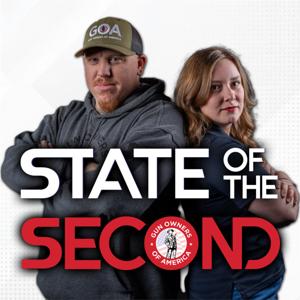


Dustin from Derya joins John and Kaylee on State of the Second to explain how a firearms brand can stand up its own name and start making guns in the United States in record time. He came to the gun industry through an accounting background. He is a CPA who worked big four public accounting at PwC after college at the University of Nevada, then joined Arms Corp / Rock Island through his longtime friend Martin Twassen during the company's hyper growth in the 2013 Obama era. He spent close to 12 years there before helping start Derya, which incorporated on March 28, 2024 and was manufacturing guns in the United States within a year.
Most of the conversation is a practical look at how Derya runs. Dustin walks through why they chose Jacksonville, Florida for the US factory: it is close to the Savannah port where shipments from Turkey land, Florida is gun friendly and manufacturer friendly, and the labor pool already had manufacturing experience. He explains the company's pricing strategy of starting low to entice buyers, backed by efficient production across over 140 CNC machines in Turkey plus US machines. The DY9 is the flagship and most popular gun, and the team moved 95% of its production from Turkey to the United States. He previews a heavy 2026 lineup: the DY9Z at a $299 MSRP with a 15 round magazine and ten colors, releasing on Black Friday, the TM22 rimfire at $249 on January 1, and a new shotgun at the end of Q1, plus several more projects.
Kaylee pushes the discussion toward women buyers, sharing her own struggle to find a concealable carry gun that fits a small hand and her advice that companies wanting to know what colors women want should look at Pinterest wedding palettes. Dustin says women are a big market for Derya and that the brand is leaning into tutorial content and a woman's perspective to make the buying experience less intimidating for first time owners. In the Soapbox segment he gives measured takes on the Glock conversation in the industry and on US manufacturing, arguing tariffs make US investment more attractive but manufacturing here is not easy, and that the United States is the deciding factor for nearly every gun design. He closes by plugging the nonprofit Walk the Talk America, which works to bridge the gap between the firearms and mental health worlds.
Dustin is a CPA who worked big four public accounting at PwC after attending the University of Nevada. His longtime friend Martin Twassen brought him into the gun industry at Arms Corp / Rock Island, where he stayed close to 12 years before helping start Derya.
Derya incorporated on March 28, 2024, and was manufacturing guns in the United States within a year of starting.
Jacksonville is close to the Savannah port where shipments from Turkey land, Florida is gun friendly and manufacturer friendly, and the local labor pool already had manufacturing experience.
Derya starts prices low to entice buyers, backed by efficient production across more than 140 CNC machines in Turkey plus US machines. Dustin says they use premium material and accept making less money than competitors rather than cutting the product.
The DY9 is Derya's flagship and most popular gun, and the team moved 95% of its production from Turkey to the United States.
Derya is launching the DY9Z at a $299 MSRP with a 15 round magazine and ten colors on Black Friday, the TM22 rimfire at $249 on January 1, and a new shotgun at the end of Q1, with several more projects to follow.
Dustin says women are a big market for Derya, so the brand leans into tutorial content and a woman's perspective to make buying a gun less intimidating for first time owners. Co-host Kaylee adds that brands wanting to know which colors women want should study Pinterest wedding palettes.
In the Soapbox segment Dustin gives measured takes on the industry's Glock conversation, and argues tariffs make US investment more attractive while warning that manufacturing here is not easy. He says the United States is the deciding factor for nearly every gun design.
Dustin works on the operations side of Derya, the firearms brand featured in this episode. He is a CPA who worked big four public accounting at PwC after attending the University of Nevada, and he was born and raised in Las Vegas. He entered the gun industry through his longtime friend Martin Twassen, joining Arms Corp / Rock Island during its growth period and staying close to 12 years before helping start Derya, which incorporated on March 28, 2024. He pitched Jacksonville, Florida as the site for the company's US factory. He is also involved with the nonprofit Walk the Talk America, where he handles the money. His last name is not stated in the episode.
Yehuda, known online as the Pew Pew Jew, joins hosts Kaylee and John on State of the Second to trace how he went from a spoiled LA kid who thought only police, military, and bad guys could own guns to one of the most recognizable voices for Jewish gun owners. He explains that he got into the industry by accident. After his parents had what he calls a Chernobyl meltdown over learning he owned a Glock 19, he set out to teach his own kids gun safety, went looking on Amazon for a children's book on the subject, and found none existed. So he wrote one. It took five years to get published because no one would touch it, and once it was out he was suddenly being called a gun safety expert on podcasts and radio.
Much of the conversation centers on what it means to be a Jewish gun owner. Yehuda pushes back hard on rabbis who say Jews should not own guns, pointing to a 2,500-year warrior heritage and arguing the community has only been anti-gun since 1945. He says post October 7th there was a massive uptick in Jewish firearms owners, but that many stay quiet about it, and his mission is to get them to be loud instead. He also breaks down how draconian Israel's gun laws actually are compared to the US, and reflects on his own move from California to Texas, where a gunsmith removed his bullet button for free and welcomed him to the state.
The back half turns lighter. In the From the Soapbox segment, Yehuda gives his spicy take that his favorite gun company is High Point, because they know exactly who they are and are willing to joke about themselves while the rest of the industry takes itself too seriously. He and John trade ideas for joke products, and both land on the same theme that runs through the episode: take someone to the range, pass the experience on to the next person, and have fun with it. Kaylee ties it back to building momentum for the Second Amendment, from fighting the NFA to changing hearts and minds one first-time shooter at a time.
He got into it by accident as a first-time Glock 19 owner. After his parents melted down over learning he owned a gun, he set out to teach his own kids gun safety, couldn't find a children's book on the subject, and wrote one himself, which led to podcasts and radio calling him a gun safety expert.
He wrote it because he went looking on Amazon for a children's book to teach his own kids gun safety and found that none existed. It took five years to get published because no one would touch it.
He pushes back hard, pointing to a 2,500-year Jewish warrior heritage and arguing the community has only been anti-gun since 1945. His mission is to get Jewish gun owners who stay quiet to be loud about it instead.
Yes. He says there was a massive uptick in Jewish firearms owners after October 7th, though many stay quiet about it, which is why he works to get them to speak up.
He breaks down how draconian Israel's gun laws are compared to those in the United States, where firearm ownership is far more accessible.
He bought his first gun in California, then moved from California to Texas, where a gunsmith removed his bullet button for free and welcomed him to the state.
He names High Point because they know exactly who they are and are willing to joke about themselves, while the rest of the industry takes itself too seriously.
He and the hosts agree that taking someone to the range and passing the experience to the next person is the best on-ramp, building momentum for the Second Amendment one first-time shooter at a time.
Yehuda, known online as the Pew Pew Jew, is a firearms author and Second Amendment advocate who has worked to amplify the voice of Jewish gun owners for almost nine years. He got into the industry by accident as a first-time Glock 19 owner, then wrote a children's book on gun safety that took five years to get published, going on to write several more children's books and a book titled Bullet Points. He grew up in North Hollywood, California, and now lives in Plano, Texas, where his home range is Mr. Guns. His books and merchandise are available at thepewpewjew.com.
John and Kaylee sit down with Zach, the owner of Tactical Advisor, to dig into a question every gun buyer has asked: can you trust a paid gun review? Zach explains why he built his channel around a 30-second breakdown that hands you the verdict up front, so you can leave or stay and hear the reasoning. He works by himself, films out of his closet, and treats research like a discipline. The conversation moves quickly into the realities of being a creator in this space: YouTube's shifting rules, demonetization over words like "thermal," a strike that locked him out for a week, and why he runs on every platform he can instead of betting on one.
The heart of the episode is money and honesty. Zach and John agree creators should be paid, because a review can cost thousands in ammo, camera gear, and editing time, and YouTube revenue is pennies. The harder part is the gray area. Zach is blunt that when a check comes in every month, it gets harder to say negative things, so he refuses non-competes and has zero contracts that dictate what he can say. His rule is that brands pay for the work and the viewership, not the opinion. When a product is bad, he tells the company first and asks whether it's a one-off or a real issue, and he has declined to post a positive review on something that simply didn't work even when the company pushed for it.
The group also makes a case for fun. Not every gun needs to be the deadliest, fastest option, and platforms like the GOAT 15 and cool novelty guns can pull new people in. Kaylee frames the through-line around the first-time owner who goes to YouTube to learn, and why censoring creators' language hurts that person most. Zach praises Rumble as a free-speech outlet while arguing against building a 2A-only echo chamber, and he recalls GOA's GOALS show as a relaxed, family-friendly event with real time to talk to companies. He closes on transparency and on inviting his own audience to keep him in check with constructive criticism.
Zach and John argue creators should be paid because a single review can cost thousands in ammo, camera gear, and editing time while YouTube revenue is pennies. Payment does not have to compromise honesty, but it creates a gray area that takes discipline to manage.
Zach is blunt that a recurring monthly check makes it harder to say negative things, so he sets a firm rule: brands pay for the work and the viewership, not the opinion. When a product is bad he tells the company first and asks whether it is a one-off or a real issue.
Zach refuses non-competes and keeps zero contracts that require him to say specific things, so no brand can dictate his verdict. He has even declined to post a positive review on a product that simply did not work, despite the company pushing for it.
Demonetization over words like "thermal," strikes, and shifting rules push creators to self-censor, which Kaylee argues hurts the first-time owner most. That new owner goes to YouTube to learn, and watering down a creator's language makes honest firearms education harder to find.
Zach praises Rumble as a free-speech outlet but warns against building a Second Amendment-only echo chamber, which he sees as bad for growing the community. His own approach is to publish across every platform he can rather than betting on one.
Zach tells the company privately first and asks whether the failure is a one-off or a real issue before saying anything publicly. He gives a brand grace to fix it, and rewards a company that takes the constructive criticism and actually evolves.
The group makes the case that not every gun needs to be the deadliest or fastest option. Fun and novelty platforms like the GOAT 15 pull new people into the hobby, which matters for the health of the community.
Zach recalls the Gun Owners Action Leadership Summit (GOALS) as a relaxed, family-friendly event with real time to talk to companies. It was the kind of show a creator could bring his family to rather than a packed industry grind.
Zach is the owner of Tactical Advisor, a firearms content channel he started seven or eight years ago. His full-time job is in law enforcement, fire, and EMS; the host's intro adds that he has over 11 years in law enforcement, is a SWAT team sniper, and a lieutenant with more than 12 years in firearm and EMS [VERIFY]. He works by himself and films out of his closet. He is a husband and father of three with a fourth on the way, and a born again Christian who shares the gospel at the end of his videos. He is known for a 30-second breakdown format that delivers the verdict early, and he publishes across Instagram, Facebook, YouTube, Rumble, X, and Telegram.
Rich Angstadt, president and founder of Angstadt Arms, joins State of the Second hosts John and Kaylee to trace how a personal want became a company built on innovation. Angstadt's grandfather got him into firearms young, and his family history runs back to the 1700s and 1800s, when the Angstadts were master gunsmiths crafting Kentucky long rifles and smooth bore muskets. Around 2011, after exiting a previous company, Rich had free time, was shooting IDPA and IPSC competitions, and wanted a 9mm AR built around a Glock pistol magazine while keeping all the AR15 controls. He took the design to SHOT Show in 2015, picked up big distributors and dealers, and helped shape what became the pistol caliber carbine market. The first gun was the UDP-9, a straight blowback AR9 on Glock magazines.
The conversation moves through the company's product arc and what drives Angstadt to keep building. Selection by the US Army for its subcompact weapon trials forced a sub-15-inch length requirement that pushed development of a modified cycle system with Deadfoot Arms. Angstadt didn't win that contract (B&T did), but the work gave birth to the MDP, a roller delayed AR9 that runs on Glock magazines, weighs three and a half pounds, and shoots flat and low-recoil like an MP5. Rich explains why the company chases innovation over the industry's me-too habit, and how metal 3D printing (laser sintering titanium, not polymer) gives speed to market. A new design can be printed, heat treated, and test fired in under a week, which lets the team try ideas that a full manufacturing line would never justify. Testing remains the part that can't be rushed, and contracts often dictate the accuracy and reliability standards.
The second half turns to suppressors and the NFA. Suppressor sales have surged on faster approval times, dropping from up to 12 months to as little as a day, and the $200 tax stamp goes to zero on January 1, 2026. Rich predicts deeper integration between firearm and suppressor, more integrally suppressed designs, and suppressors becoming a normalized product gun owners buy in multiples. He's bullish the NFA's days are numbered but less certain short barrel rifles will take off the way suppressors have, given how well pistol braces already serve that role. Kaylee details GOA's lawsuit to gut the NFA, explaining that the zero-dollar tax stamp creates the legal grounds to sue because the Supreme Court previously held the NFA could stand only because it was regulated under a tax. The group discusses normalizing gun culture, getting first-time owners into the fold, range rental programs, and starting new shooters on suppressed .22 so they never develop a flinch. Rich closes by pointing listeners to Angstadt Arms and asking them to support their local gun stores.
Rich Angstadt founded Angstadt Arms around 2011 after exiting a previous company, wanting a 9mm AR built on a Glock pistol magazine while keeping the AR15 controls. He brought it to SHOT Show in 2015, and the first gun was the UDP-9, a straight blowback AR9 that runs on Glock magazines.
The original UDP-9 is a straight blowback AR9 on Glock magazines. The MDP is a roller delayed AR9 that also runs on Glock magazines, weighs three and a half pounds, and shoots flat and low-recoil like an MP5.
Angstadt Arms uses metal 3D printing by laser sintering titanium, not polymer, so a new design can be printed, heat treated, and test fired in under a week. That speed lets the team try ideas a full manufacturing line would never justify, though physical testing still can't be rushed.
The Army's subcompact weapon trials imposed a sub-15-inch length requirement that pushed Angstadt to develop a modified cycle system with Deadfoot Arms. Angstadt did not win the contract, but the work gave birth to the MDP roller delayed AR9.
Suppressor sales have surged as approval times dropped from up to 12 months to as little as a day. On January 1, 2026, the $200 tax stamp goes to zero, which Rich expects to normalize suppressors as a product gun owners buy in multiples.
Rich predicts deeper integration between firearm and suppressor, with more integrally suppressed designs and suppressors becoming a normalized purchase. He is bullish the NFA's days are numbered, though less sure short barrel rifles will catch on the way suppressors have, since pistol braces already fill that role.
Gun Owners of America (GOA) is suing to gut the National Firearms Act (NFA). The argument is that the Supreme Court previously held the NFA could stand only because it was regulated under a tax, so a zero-dollar tax stamp removes that basis and creates the grounds to sue.
The episode points to range rental programs and starting new shooters on a suppressed .22 so they never develop a flinch. The broader goal is normalizing gun culture and getting first-time owners comfortable in the sport.
Rich Angstadt is the president and founder of Angstadt Arms, a firearms and suppressor manufacturer the hosts introduce as trusted in over 30 countries. In the episode he says his grandfather got him into firearms at a young age, and that his family, the Angstadts, were master gunsmiths in the 1700s and 1800s who crafted firearms such as Kentucky long rifles and smooth bore muskets. He started the company around 2011 after exiting a previous company, wanting a 9mm AR built around a Glock pistol magazine, and brought it to SHOT Show in 2015.
Goat Guns build scale model guns you assemble and display, and on this episode of State of the Second, hosts Kaylee and John talk with Anthony from Goat Guns about how a video game idea turned into a fast-growing brand. Anthony explains the origin story: founder Brad Lunt started the company in 2017 after noticing that gamers pay real money for weapon skins in first-person shooters, and figured people would pay for tangible miniature guns too. The company started slow with a couple of basic models like the AR15, then took off when COVID hit and people stuck at home found them while scrolling Facebook. The first big break came from Sig Sauer, who asked Goat Guns to make a miniature MCX Rattler. Now the other big gun companies come to them.
Anthony walks through how a model actually gets made. The team starts with the most popular, recognizable guns, gets 3D files from sources or manufacturers, then has engineers shrink the file and rework parts that become weak points at small scale. They 3D print and assemble handmade prototypes, test for weak points, send feedback, and only after the licensee approves do they move to packaging. The process takes about two years on average, sometimes three. He covers product decisions too: which parts ship pre-assembled so the models aren't intimidating to build, how the flashlight accessory went from a non-working prop to a real working light once the engineers solved it, and the limited edition runs numbered 1 to 600 that sell out in days and land on eBay for at least $200. The company is up to about 32 models with six or seven more in the works.
The back half turns to community and culture. Anthony says Goat Guns was one of the most popular booths at GOA's GOALS convention, with Navy SEALs, kids, and women all geeking out, and that the GOA crowd had a noticeably friendlier, more engaged feel than other shows. The hosts and Anthony land on the bigger point: the models bridge a gap. They give people who are intimidated by guns a safe, non-firing way to learn the mechanics, they work as a family activity, and teachers have reached out calling them an educational tool. Kaylee ties it to GOA's mission of building an on-ramp from gun-curious to gun owner. Anthony also talks about Facebook ad pushback and how the brand keeps content family-friendly to keep ads running, credits the roughly 7,000-member Goat Guns Addicts fan group for the brand's social reach, and points listeners to goatguns.com plus retailers like Bass Pro and Cabela's.
Founder Brad Lunt started Goat Guns in 2017 after noticing that gamers pay real money for weapon skins in first-person shooters and figured people would pay for tangible miniature guns too. The company began slowly with a few basic models like the AR15.
The brand took off during COVID when people stuck at home found the models while scrolling Facebook, turning a slow start into fast growth.
Goat Guns' first big break came when Sig Sauer asked the company to make a miniature MCX Rattler. After that, other major gun companies began coming to Goat Guns directly.
The team starts with recognizable guns, gets 3D files, has engineers shrink and rework parts that become weak points at small scale, then 3D prints and tests handmade prototypes before the licensee approves and they package it. It takes about two years on average, sometimes three.
Goat Guns prioritizes the most popular, recognizable firearms, and decides which parts ship pre-assembled so the models aren't intimidating to build. Accessories evolve too, like the flashlight that went from a non-working prop to a real working light once the engineers solved it.
The non-firing models give people a safe way to learn how guns work mechanically, function as a family activity, and have been embraced by teachers as an educational tool. Gun Owners of America ties this to its mission of building an on-ramp from gun-curious to gun owner.
Anthony says Goat Guns was one of the most popular booths at GOALS, with Navy SEALs, kids, and women all geeking out, and the Gun Owners of America (GOA) crowd felt noticeably friendlier and more engaged than other shows.
Goat Guns keeps its content family-friendly to keep ads running despite Facebook ad pushback, and credits the roughly 7,000-member Goat Guns Addicts fan group for much of the brand's social reach.
Anthony is from Goat Guns, the company that makes scale model guns you build and display. He is the person who gets the prototypes for new models and tests them. He found Goat Guns himself through a Facebook ad during COVID. He also collects other models, including model fighter jets. Goat Guns was started in 2017 by Brad Lunt.
State of the Second hosts Kaylee and John sit down with Sean Patrick Terrio, a tech executive and digital privacy advocate who co-founded mark37.com. The conversation opens with rapid fire questions and turns into a full primer on why the phones, watches, cars, and smart-home devices we carry every day are, in Terrio's words, surveillance tracking devices. He frames the whole problem with a gun analogy gun owners will feel: you would never carry a firearm into a fight if it streamed your location, audio, and video straight to the enemy, yet that is exactly what an iPhone or Android phone does when the companies behind it fund causes opposed to the values of the people using them.
Terrio spent his career in Silicon Valley and the data center industry, where he saw how the back end really works, and he walks the hosts through the core ideas: what privacy actually means (granting access only to people you choose), the Fourth Amendment, the addiction that devices are engineered to create, and how cars now report your driving data to manufacturers and insurers. His repeated point is that the question is not whether you can do something on your phone, but whether you should. He argues most people are not tech savvy the way they are gun savvy, and the fix starts with learning the basics rather than reaching for advanced tools like a VPN before understanding them.
On the practical side, Terrio explains what mark37.com sells: de-Googled phones and laptops running GrapheneOS, an open-source operating system built on Android. The devices are carrier agnostic, run the apps people rely on through sandboxed Google Play Services, and let users keep their number by moving the SIM and telling Apple or Google to stop routing their calls and texts. He covers pricing (phones from around $400, laptops from the high $500s), the free 15 to 30 minute privacy consultations his team offers, and a roadmap on the site. Listeners get a 5 percent discount at mark37.com/goa, with a percentage of every sale going back to GOA. The episode closes with the reminder about GOALS 2026, GOA's 50th anniversary celebration in Des Moines, Iowa on August 1st and 2nd.
Sean Patrick Terrio defines privacy as granting access to your data only to people you choose, and he ties it to Fourth Amendment protections. His core test is not whether you can do something on a device, but whether you should.
Terrio argues that phones, watches, cars, and smart-home devices function as surveillance tracking devices that monitor users constantly. He spent his career in Silicon Valley and the data center industry, where he saw how the back end of this infrastructure actually works.
Terrio cautions against reaching for advanced tools like a VPN before you understand the basics. He argues most people should start by learning fundamentals rather than jumping to tools they do not yet grasp.
GrapheneOS is an open-source operating system built on Android that runs on the de-Googled phones and laptops mark37.com sells. Unlike a standard iPhone or Android phone, these devices are carrier agnostic and run apps through sandboxed Google Play Services to keep data under the user's control.
Yes. The devices run the apps people rely on through sandboxed Google Play Services, so users can keep using the software they need while limiting how much data leaves the device.
The phones are carrier agnostic, so they work across carriers. You keep your existing number by moving the SIM and telling Apple or Google to stop routing your calls and texts.
Phones start around $400 and laptops start in the high $500s. mark37.com also offers free 15 to 30 minute privacy consultations, and listeners get 5 percent off at mark37.com/goa, with a percentage of every sale going back to Gun Owners of America.
Terrio treats these as partial measures rather than a full fix. His larger point is that real change comes from understanding how devices track you and taking back control of your data, not from one-off workarounds.
Sean Patrick Terrio is a tech executive, digital privacy advocate, and co-founder of mark37.com. He spent the vast majority of his career in Silicon Valley as an entrepreneur and worked across several software companies before moving into the data center industry, where he gained hands-on experience with how digital infrastructure operates on the back end. He wrote a book on that industry called the Data Center Colocation Industry Playbook. He left the industry after concluding it was opposed to his values and faith, and now builds de-Googled phones and laptops running GrapheneOS through mark37.com, which has hundreds of users. He is 45 and has three kids. He also does training and education on AI.
Matt from Magic Prepper joins John and Kaylee to make the case that preparedness starts long before a firearm, and that one of the most valuable tools you can own costs about twenty dollars. Asked for the best prepping tool under $20, Matt names a water filter, pointing to the Sawyer Mini, which he says can filter up to 100,000 gallons and attaches to a smart water bottle, a bladder, or runs on its own. He explains why water sits near the top of the survival list, second only to air, and why having clean water for $20 or less is hard to beat.
Matt shares the story behind the channel. After being held at gunpoint and beaten while living in California, he chose to take responsibility for his own defense rather than wait on institutions. He bought his first gun, a pistol-grip-only Mossberg 590, learned the hard way how restrictive California's laws were, and eventually earned a CCW in El Dorado County. A move to North Dakota gave him land, freedom, and the isolation that made being prepared matter even more. He walks through his five-step framework: identify your limitations, plan for the basics of food, water, communications, and first aid, then add self-defense, financial readiness, and finally reinforce and expand what you have.
The conversation turns sharp in the Soapbox segment. Matt's hot take is that the firearms industry needs more transparency, especially honest conversations about why a budget product skips certain steps. That sets off a long exchange about new shooters: guns shipping with a single magazine, salespeople who push what's cool over what a buyer actually needs, and the missing on-ramp for first-time owners. John, drawing on his manufacturing and marketing background, and Kaylee, focused on accessibility and education, both argue the responsibility runs across manufacturers, gun stores, and ranges. Matt closes by introducing the Task Force 70 Foundation (tf70.org), a nonprofit working to ground law enforcement training in constitutional principle, and his new product, the MP field tool.
Matt names a water filter as the best preparedness tool under $20, pointing to the Sawyer Mini. He says it can filter up to 100,000 gallons and attaches to a smart water bottle, a bladder, or runs on its own.
Matt puts water near the top of the survival list, second only to air, because the body needs it more than almost anything else. Having clean water for $20 or less is hard to beat on value.
While living in California, Matt was held at gunpoint and beaten, which pushed him to take responsibility for his own defense instead of waiting on institutions. He bought his first gun and started the Magic Prepper channel in 2019 after moving to North Dakota.
Matt's first firearm was a pistol-grip-only Mossberg 590, and he learned the hard way how restrictive California's laws were. He eventually earned a concealed-carry permit in El Dorado County before moving to North Dakota for more land and freedom.
Matt's framework is to identify your limitations, plan for the basics of food, water, communications, and first aid, then add self-defense, build financial readiness, and finally reinforce and expand what you already have.
Matt's hot take is that the industry should have honest conversations about why a budget product skips certain steps, so buyers understand the tradeoffs. He ties it to better serving new shooters rather than overselling them.
Matt, John, and Kaylee argue that guns shipping with a single magazine, plus salespeople pushing what is cool over what a buyer needs, leaves first-time owners without a real on-ramp. They say the responsibility for education runs across manufacturers, gun stores, and ranges.
The Task Force 70 Foundation (tf70.org) is a nonprofit Matt introduces that works to ground law enforcement training in constitutional principle. He shares it alongside his new product, the MP field tool.
Matt is the creator behind Magic Prepper, a preparedness and firearms YouTube channel he started in 2019 after moving from California to North Dakota. He launched the channel after being held at gunpoint and beaten in California, an experience he says woke him up to the need for self-reliance. His first firearm was a pistol-grip-only Mossberg 590, and he obtained a CCW in El Dorado County, California. He grew up in Florida dealing with hurricane season and was involved in Boy Scouts of America, and he previously worked in the hospitality industry. Before the channel, he co-founded an everyday carry company, Everyday Carry Specialties (EDC Specialties), with business partner Rob Defeo in Gold River, California. He recently got involved with the Task Force 70 Foundation, a police training nonprofit, and launched his first product, the MP field tool. He teaches hundreds of thousands of people online.
John and Kaylee sit down with Tim, the founder of 2A Bourbon, for a conversation about how a retirement plan turned into a Second Amendment bourbon brand built to give money away. Tim is a lawyer and lifelong serial entrepreneur who has owned a nightclub, a bottled water company, and a digital label company he ran for 16 years. He says he will turn 75 next month, and he explains that the idea came from a single moment on a golf course over Memorial Day weekend of 2022. He sliced a ball on the 18th hole and it landed on the name of his son-in-law's twin brother, a fallen North Carolina soldier killed in Iraq, written in chalk down the fairway as part of a Folds of Honor tribute. From there he decided to build a charity, heard on a podcast that a charity needs a following, and landed on guns and bourbon.
Tim walks through the build. He locked the name, the .com, and the trademark in about 15 minutes, then got his label approved by the government in three days when most people told him a Second Amendment label would never get cleared. He took three people to Kentucky to taste bourbons because he wanted real Kentucky bourbon rather than going to the well-known Indiana distillery, and he found a bottler known as the Bourbon Rabbi. The brand pairs gun-company toppers with each run, capped at 20,000 cases to stay collectible, and the current edition carries Smith & Wesson, who licensed their name and logo for free because they did not want to be in the revenue stream. Tim says he has not taken a penny from the company and has raised over a quarter of a million dollars in two years for groups including Folds of Honor, Stop Soldier Suicide, and a ruck walk in Clearwater, Florida. His reasons run personal: a brother who died by suicide at 18 and a son-in-law's family touched by war.
The back half moves into advocacy. Tim, a lawyer, argues that Congress is for sale and that enough money could push gun rights out of reach, which is why he supports GOA and the Second Amendment Foundation, the groups he says are in court keeping the rights. The hosts and Tim trade thoughts on D.C. v. Heller, grassroots versus elite funding of gun groups, and Senator Tim Kaine's claim that rights come from government. Tim's soapbox is a plea to get along across the aisle, framed by his mother's line that the Second Amendment is like a bird that needs a right wing and a left wing to fly. The episode closes on voting with your dollar, the GOA 50th anniversary in Iowa, and a half-serious plan to do a GOA barrel pick.
2A Bourbon is a Second Amendment bourbon brand built to give its proceeds away to veteran and gun-rights causes. Tim, a lawyer and serial entrepreneur, started it to turn a retirement plan into a charity, choosing guns and bourbon as the following a charity needs.
Over Memorial Day weekend of 2022, Tim sliced a ball on the 18th hole and it landed on the name of his son-in-law's twin brother, a fallen North Carolina soldier killed in Iraq, written in chalk as part of a Folds of Honor tribute. That moment pushed him to build the brand.
Tim locked the name, the .com, and the trademark in about 15 minutes, then got the label cleared by the government in three days, even though he was told a Second Amendment label would never get approved. His prior experience with high-end liquor labels gave him an edge.
Each run pairs a gun-company topper with the bourbon, and the current edition carries Smith & Wesson. Smith & Wesson licensed its name and logo for free because it did not want to be in the revenue stream, only to help the cause.
In about two years, 2A Bourbon has raised over a quarter of a million dollars, and Tim says he has not taken a penny for himself. The money supports Folds of Honor, Stop Soldier Suicide, and a ruck walk in Clearwater, Florida.
Tim argues that Congress is for sale and that enough money could push gun rights out of reach. He supports Gun Owners of America (GOA) and the Second Amendment Foundation because those are the groups he says are in court keeping the rights.
Tim makes a plea to get along across the aisle, framed by his mother's line that the Second Amendment is like a bird that needs both a right wing and a left wing to fly. He ties this to voting with your dollar and a cultural shift on gun rights.
Tim took three people to Kentucky to taste bourbons because he wanted real Kentucky bourbon rather than the well-known Indiana distillery. He found a bottler known as the Bourbon Rabbi, and runs are capped at 20,000 cases to stay collectible.
Tim is the founder of 2A Bourbon, a Second Amendment bourbon brand that donates its proceeds to veteran and gun-rights causes. He is a lawyer and a self-described serial entrepreneur who has owned a nightclub, a bottled water company, and a digital label company he ran for 16 years, which gave him experience with high-end liquor labels. He says he will turn 75 the month after recording and is based in North Carolina. He started the company after a moment on a golf course over Memorial Day weekend of 2022, where his ball landed on the name of his son-in-law's twin brother, a fallen North Carolina soldier killed in Iraq. The brand is nearly two years old and has raised over a quarter of a million dollars for causes including Folds of Honor and Stop Soldier Suicide. The cause is personal for Tim, who says his brother died by suicide at 18.
Gun Owners of America hosts Kailey and John sit down with Nathan Mitchell, owner of Mitchell Defense, for a deep look at what actually makes an AR reliable. Nathan comes from a military background as a Recon corpsman and an oil field background, where he ran a pipe inspection business and learned how corrosive, high friction environments get engineered around with coating technology, spring technology, and manufacturing processes that reduce friction. He brings that same whole-body, problem-first thinking to rifles. His point is direct: a lot of the firearm industry solves problems it invented, while ignoring the real pain points inside the upper receiver, the bolt carrier group, and the springs.
The technical core of the episode is friction, springs, and ejection patterns. Nathan explains why a direct impingement system gums up, how a carbon cutter and sand cutter mechanically clear dirt and debris, and why thermal fitting the barrel keeps accuracy stable as the barrel heats up. He breaks down the difference between round wire and flat wire springs: round wire only lasts about 8,000 cycles before it loses its springiness and is weakest exactly when it strips rounds from the magazine, while Mitchell Defense's flat wire buffer system runs far longer, gives more even forward pressure, and cuts felt recoil. He argues mil-spec should not be the baseline, walks through what mil-spec actually means on bolts and accuracy, and shares an independent endurance test that ran 17,554 rounds without cleaning or lube before the first failure, plus a carbon cutter sent to a machine gun range in Vegas that passed over 20,000 rounds in Colt M4s.
The back half turns to policy and people. Kailey and John lay out where the NFA stands after the tax dropped to zero, what that could mean for SBRs, SBSs, suppressors, and AOWs, and why machine guns stay regulated under the 1986 Hughes Amendment. Nathan describes the real business pain of a slow industry waiting on January. The conversation closes on two things every gun owner can act on now: support local brick and mortar dealers, who should be subject matter experts who match the right gun to the right person instead of pushing incentive products, and go train with a quality trainer, because training exposes the small details, like a failed gun or a forgotten sight, that no theory prepares you for.
Reliability comes from reducing friction inside the upper receiver, bolt carrier group, and springs, using coatings, better spring technology, and manufacturing that solves the rifle's real pain points. Nathan Mitchell argues much of the industry instead solves problems it invented while ignoring those failure points.
Nathan Mitchell says mil-spec should not be the baseline. He walks through what mil-spec actually means for bolts and accuracy and treats it as a floor a serious build should exceed, not a target to hit.
Round wire springs last only about 8,000 cycles before losing their springiness, and they are weakest exactly when stripping rounds from the magazine. Mitchell Defense's flat wire buffer system runs far longer, delivers more even forward pressure, and cuts felt recoil.
In Mitchell Defense's independent endurance test, a rifle ran 17,554 rounds without cleaning or lube before the first failure. Separately, a carbon cutter sent to a machine gun range in Vegas passed over 20,000 rounds in Colt M4s.
Thermal fitting the barrel keeps accuracy stable as the barrel heats up during sustained fire. It is one of the friction- and tolerance-control methods Nathan Mitchell uses to keep a rifle consistent under real use.
With the National Firearms Act (NFA) tax dropped to zero, hosts Kailey and John discuss what that could mean for SBRs, SBSs, suppressors, and AOWs. Machine guns stay regulated under the 1986 Hughes Amendment and are not opened up by the change.
Local brick and mortar dealers should act as subject matter experts who match the right gun to the right person, rather than pushing incentive products. Supporting those dealers is something the episode frames as tied to protecting the Second Amendment, or 2A.
Nathan Mitchell calls training the most important thing in the industry because it exposes small details theory never prepares you for, like a failed gun or a forgotten sight. Training builds the fundamentals that actually keep a shooter reliable under pressure.
Nathan Mitchell is the owner of Mitchell Defense. He says he comes from a military background, having served as a Recon corpsman, and an oil field background, where he ran a pipe inspection business and earned his master's degree. After selling that company he moved to Philadelphia and got into the firearm space, starting with custom rifles before building Mitchell Defense around three pillars: accuracy, reliability, and durability. His target market is law enforcement and military end users. He also does a lot of work with Riker USA.
State of the Second welcomes back Adam from Canik USA, the company's VP of Business Development and Marketing, for his second appearance on the show. Hosts John and Kaylee open with a round of rapid-fire questions before moving into where handgun design is heading. Adam walks through the arc from bulky high-capacity pistols to the micro compact wave that Springfield Armory and Sig's 365 helped start, and then to the more practical, fuller guns the market wants now. He uses the Canik Prime and the MC9 sitting on the table as examples, pointing to features like a compensator, optics-ready slides, night sights, co-witnessing, and an included G-Code holster as proof that companies are now putting real value straight in the box instead of leaving it to the aftermarket.
A big thread is Canik's investment in U.S. manufacturing. Adam explains that the Prime is built in a 162,000 square foot West Palm Beach facility with more than 100 employees, a step the company took partly because importation of firearms could be restricted by an executive order. He describes the Turkish and American workers as one team and frames domestic production as protection for the company's mission. The conversation then turns to the GOA Canik MC9 collaboration, the company's California launch, and the 187 billboards Canik put up across the state. The city of Oakland forced the billboards down under a permit rule that singled out guns, and Adam recounts how Gun Owners of California and GOA stepped in to fight it.
The episode also becomes a tribute to Sam, the GOA figure who recently passed away, with Adam and the hosts reflecting on his character and his approachable style of debate. They also talk about Rob Young, who took over at Gun Owners of California. From the soapbox segment, Adam delivers a pointed take on the aftermath of Charlie Kirk's assassination, the danger of clips taken out of context, and the responsibility to do your own research and have real conversations. The hosts and Adam also dig into tariffs and thin firearm margins, the future of surplus and Century Arms imports including the AP5 line, and close with a lighthearted run through everyone's dream guns.
After the micro compact wave that Springfield Armory and Sig's 365 helped start, Adam sees the market moving toward more practical, fuller-size guns. He argues the consumer, not the manufacturer, should now drive what features a pistol carries.
Canik USA built the Prime in a 162,000 square foot West Palm Beach facility partly because firearm importation could be restricted by an executive order. Adam frames domestic production as protection for the company's mission and a strong U.S. presence.
Adam points to a compensator, optics-ready slides, night sights, co-witnessing, and an included G-Code holster. His argument is that Canik puts real value straight in the box rather than leaving it to the aftermarket.
Canik put up 187 billboards across California for its launch, but the city of Oakland forced them down under a permit rule that singled out guns. Gun Owners of California and Gun Owners of America stepped in to fight it.
The episode covers the Gun Owners of America (GOA) Canik MC9 collaboration alongside Canik's California launch and the fight over the Oakland billboards. Adam discusses how GOA and Gun Owners of California backed the effort.
Adam talks through tariffs and the already thin margins on firearms, explaining the pressure they put on pricing. The discussion ties this to the broader economics of importing and building guns.
Adam discusses the future of surplus and Century Arms imports, including the AP5 line. Canik paired with Century Arms in 2012, giving him a direct view into where surplus is headed.
Adam is the Vice President of Business Development and Marketing for Canik USA, based in West Palm Beach, Florida. He says Canik is originally out of Turkey, paired with Century Arms in 2012, and has grown into one of the largest striker-fire pistol companies in the United States. He describes Canik's 162,000 square foot West Palm Beach facility, which has over 100 employees building the Canik Prime. This was his second appearance on the podcast, having previously been on episode two. Last name spelling unconfirmed [VERIFY].
From the publisher's feed

227,534 Listeners
1,637 Listeners
882 Listeners
883 Listeners
872 Listeners
267 Listeners
8,914 Listeners
6,888 Listeners
5,859 Listeners

1,539 Listeners
436 Listeners

46,068 Listeners
1,324 Listeners

39,342 Listeners

89 Listeners