
Sign up to save your podcasts
Or

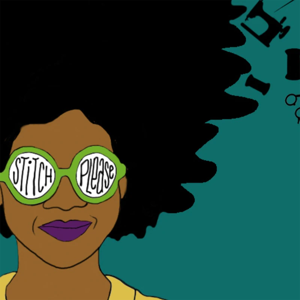


Based on Podcast App listening data
Preorder the beautiful 2023 Black Women Stitch Wall Calendar here
Episode 138 of Black Women Stitch, Fabric Intake Process
BlackWomenStitch Instagram, homepage, Patreon
Sign up for the Black Women Stitch quarterly newsletter
Check out our merch here
Leave a BACKSTITCH message and tell us about your favorite episode.
Join the Black Women Stitch Patreon
Check out our Amazon Store
Stay Connected:
YouTube: Black Women Stitch
Instagram: Black Women Stitch
Facebook: Stitch Please Podcast
Join the Black Women Stitch Patreon.
LaTisha Porter
LaTisha Porter was born and raised in Philadelphia, PA, where she currently resides. She is a mother of two amazing daughters, Maiya Nicole and Makenzie Elise.
LaTisha decided to make garments for women adding later both children and men to her line of custom sewing. The choosing of her company's name, NicoleElise LLC, was developed by her desire to leave a legacy for her daughters using their middle names, Nicole and Elise. Her love for all things fashion has been since she can remember.
Lisa Woolfork
Lisa Woolfork is an associate professor of English, specializing in African American literature and culture. Her teaching and research explore Black women writers, Black identity, trauma theory and American slavery. She is the convener and founder of Black Women Stitch, the sewing group where Black lives matter. She is also the host/producer of Stitch Please, a weekly audio podcast that centers Black women, girls, and femmes in sewing. In the summer of 2017, she actively resisted the white supremacist marches in her community, Charlottesville Virginia. The city became a symbol of lethal resurging white supremacist violence. #Charlottesville. She remains active in a variety of university and community initiatives, including the Community Engaged Scholars program. She believes in the power of creative liberation.
Insights from this episode:
Quotes from the show:
Stay Connected:
Lisa Woolfork
Instagram: Lisa Woolfork
Twitter: Lisa Woolfork
Latisha Porter
Instagram: LaTisha Porter
Website: https://www.nicoleelise.shop/
This episode was produced and managed by Podcast Laundry.
Sign up for the Black Women Stitch quarterly newsletter
Check out our merch here
Leave a BACKSTITCH message and tell us about your favorite episode.
Join the Black Women Stitch Patreon
Check out our Amazon Store
Stay Connected:
YouTube: Black Women Stitch
Instagram: Black Women Stitch
Facebook: Stitch Please Podcast
Join the Black Women Stitch Patreon.
Jen Hewett
Jen Hewett is a printmaker, surface designer, and textile artist. Depending on how you look at it, artist is either Jen’s second or fifth career. With a degree in English Literature from the University of California, Berkeley, she started her working life in education and educational nonprofits. She then briefly ran her own stationery business and took a few detours through business operations, human resources, and consulting before becoming a full-time working artist (again). She partly credits the success of her experience running her own creative business to her non-linear (but always interesting) career path.
Jen’s first book, Print, Pattern, Sew: Block Printing Basics + Simple Sewing Projects for an Inspired Wardrobe, was published by Roost Books in May 2018. Her second book, This Long Thread: Women of Color on Craft, Community, and Connection, was published by Roost Books in November 2021. Her clients include Anthropologie, Cost Plus World Market, Moda Fabrics, Unilever, and Yelp. Her work has been featured in Better Homes and Gardens, Uppercase, and MSNBC.
Lisa Woolfork
Lisa Woolfork is an associate professor of English, specializing in African American literature and culture. Her teaching and research explore Black women writers, Black identity, trauma theory, and American slavery. She is the convener and founder of Black Women Stitch, the sewing group where Black lives matter. She is also the host/producer of Stitch Please, a weekly audio podcast that centers on Black women, girls, and femmes in sewing. In the summer of 2017, she actively resisted the white supremacist marches in her community, Charlottesville Virginia. The city became a symbol of lethal resurging white supremacist violence. #Charlottesville. She remains active in a variety of university and community initiatives, including the Community Engaged Scholars program. She believes in the power of creative liberation.
Insights from this episode:
Quotes from the show:
Resources Mentioned
Asian Sewist Collective
Stay Connected:
Lisa Woolfork
Instagram: Lisa Woolfork
Twitter: Lisa Woolfork
Jen Hewett
Website: Jen Hewett
Instagram: Jen Hewett
This episode was produced and managed by Podcast Laundry.
Sign up for the Black Women Stitch quarterly newsletter
Check out our merch here
Leave a BACKSTITCH message and tell us about your favorite episode.
Join the Black Women Stitch Patreon
Check out our Amazon Store
Stay Connected:
YouTube: Black Women Stitch
Instagram: Black Women Stitch
Facebook: Stitch Please Podcast
Join the Black Women Stitch Patreon.
Kia Sangria
Kia Sangria is passionate about cosplay, costume creation, being a sewist, and creating costumes for black people in play.
Lisa Woolfork
Lisa Woolfork is an associate professor of English, specializing in African American literature and culture. Her teaching and research explore Black women writers, Black identity, trauma theory and American slavery. She is the convener and founder of Black Women Stitch, the sewing group where Black lives matter. She is also the host/producer of Stitch Please, a weekly audio podcast that centers Black women, girls, and femmes in sewing. In the summer of 2017, she actively resisted the white supremacist marches in her community, Charlottesville Virginia. The city became a symbol of lethal resurging white supremacist violence. #Charlottesville. She remains active in a variety of university and community initiatives, including the Community Engaged Scholars program. She believes in the power of creative liberation.
Insights from this episode:
Quotes from the show:
Resources Mentioned
Zelouf Fabrics
Stay Connected:
Lisa Woolfork
Instagram: Lisa Woolfork
Twitter: Lisa Woolfork
Kia Sangria
Facebook: Kia La Sangria
Pinterest: Pinterest
This episode was produced and managed by Podcast Laundry.
Sign up for the Black Women Stitch quarterly newsletter
Check out our merch here
Leave a BACKSTITCH message and tell us about your favorite episode.
Join the Black Women Stitch Patreon
Check out our Amazon Store
Stay Connected:
YouTube: Black Women Stitch
Instagram: Black Women Stitch
Facebook: Stitch Please Podcast
Join the Black Women Stitch Patreon.
Sarah Hill
Dr. Sarah Ashley Hill is a psychologist and lupus warrior who started sewing in 2019, after learning that she had a severe form of lupus nephritis. Having had a knack for fashion from a young age, Sarah has used sewing as an articulation of her style and to suit her current lifestyle.
Lisa Woolfork
Lisa Woolfork is an associate professor of English, specializing in African American literature and culture. Her teaching and research explore Black women writers, Black identity, trauma theory and American slavery. She is the convener and founder of Black Women Stitch, the sewing group where Black lives matter. She is also the host/producer of Stitch Please, a weekly audio podcast that centers Black women, girls, and femmes in sewing. In the summer of 2017, she actively resisted the white supremacist marches in her community, Charlottesville Virginia. The city became a symbol of lethal resurging white supremacist violence. #Charlottesville. She remains active in a variety of university and community initiatives, including the Community Engaged Scholars program. She believes in the power of creative liberation.
Insights from this episode:
Quotes from the show:
Stay Connected:
Lisa Woolfork
Instagram: Lisa Woolfork
Twitter: Lisa Woolfork
Sarah Hill
Instagram: Sarah Hill
Website: Sewing for Myself
This episode was produced and managed by Podcast Laundry.
Sign up for the Black Women Stitch quarterly newsletter
Check out our merch here
Leave a BACKSTITCH message and tell us about your favorite episode.
Join the Black Women Stitch Patreon
Check out our Amazon Store
Stay Connected:
YouTube: Black Women Stitch
Instagram: Black Women Stitch
Facebook: Stitch Please Podcast
Join the Black Women Stitch Patreon.
Shasta Schatz
Shasta Schatz loves to create. Her favorite hobby is sewing, where she dabbles in yarn manipulation, painting, 3D printing, hot gluing, and duct taping. Her costuming inspiration is mainly from the 16th century drawing inspiration from her love of art museums.
Lisa Woolfork
Lisa Woolfork is an associate professor of English, specializing in African American literature and culture. Her teaching and research explore Black women writers, Black identity, trauma theory and American slavery. She is the convener and founder of Black Women Stitch, the sewing group where Black lives matter. She is also the host/producer of Stitch Please, a weekly audio podcast that centers Black women, girls, and femmes in sewing. In the summer of 2017, she actively resisted the white supremacist marches in her community, Charlottesville Virginia. The city became a symbol of lethal resurging white supremacist violence. #Charlottesville. She remains active in a variety of university and community initiatives, including the Community Engaged Scholars program. She believes in the power of creative liberation.
Insights from this episode:
Quotes from the show:
Resources mentioned:
Stay Connected:
Lisa Woolfork
Instagram: Lisa Woolfork
Twitter: Lisa Woolfork
Shasta Schatz
Instagram: Shasta
Facebook: Green Linen Shirt
Twitter: ScifiCheerGirl
This episode was produced and managed by Podcast Laundry.
Sign up for the Black Women Stitch quarterly newsletter
Check out our merch here
Leave a BACKSTITCH message and tell us about your favorite episode.
Join the Black Women Stitch Patreon
Check out our Amazon Store
Stay Connected:
YouTube: Black Women Stitch
Instagram: Black Women Stitch
Facebook: Stitch Please Podcast
Join the Black Women Stitch Patreon.
Serena
Serena sews and collects vintage patterns and sewing machines. She enjoys creating vintage content from the 1940s-1950s for Instagram and YouTube to help encourage diversity in the vintage world and share her passion for vintage style. She enjoys dressing up and creating her vintage reality.
Lisa Woolfork
Lisa Woolfork is an associate professor of English, specializing in African American literature and culture. Her teaching and research explore Black women writers, Black identity, trauma theory and American slavery. She is the convener and founder of Black Women Stitch, the sewing group where Black lives matter. She is also the host/producer of Stitch Please, a weekly audio podcast that centers Black women, girls, and femmes in sewing. In the summer of 2017, she actively resisted the white supremacist marches in her community, Charlottesville Virginia. The city became a symbol of lethal resurging white supremacist violence. #Charlottesville. She remains active in a variety of university and community initiatives, including the Community Engaged Scholars program. She believes in the power of creative liberation.
Insights from this episode:
Quotes from the show:
Stay Connected:
Lisa Woolfork
Instagram: Lisa Woolfork
Twitter: Lisa Woolfork
Serena
Instagram: Sewrena
YouTube: SewRena
This episode was produced and managed by Podcast Laundry.
Sign up for the Black Women Stitch quarterly newsletter
Check out our merch here
Leave a BACKSTITCH message and tell us about your favorite episode.
Join the Black Women Stitch Patreon
Check out our Amazon Store
Stay Connected:
YouTube: Black Women Stitch
Instagram: Black Women Stitch
Facebook: Stitch Please Podcast
THank you SEW much for helping get 5-star reviews, 500 total Patreon supporters, and 500k downloads by the end of 2022!
Black Women Stitch Patreon
Download Stitch Please episodes
Share 5-star reviews here
Want to participate in Stitching Holiday Traditions? Want to say "hi"? Leave a direct voicemail
Lisa Woolfork is an associate professor of English, specializing in African American literature and culture. Her teaching and research explore Black women writers, Black identity, trauma theory and American slavery. She is the convener and founder of Black Women Stitch, the sewing group where Black lives matter. She is also the host/producer of Stitch Please, a weekly audio podcast that centers Black women, girls, and femmes in sewing. In the summer of 2017, she actively resisted the white supremacist marches in her community, Charlottesville Virginia. The city became a symbol of lethal resurging white supremacist violence. #Charlottesville. She remains active in a variety of university and community initiatives, including the Community Engaged Scholars program. She believes in the power of creative liberation.
Sign up for the Black Women Stitch quarterly newsletter
Check out our merch here
Leave a BACKSTITCH message and tell us about your favorite episode.
Join the Black Women Stitch Patreon
Check out our Amazon Store
Stay Connected:
YouTube: Black Women Stitch
Instagram: Black Women Stitch
Facebook: Stitch Please Podcast
Join the Black Women Stitch Patreon.
Olugbemisola Rhuday-Perkovich
Olugbemisola Rhuday-Perkovich is a crafter, a blogger, a sewist, and the author of several children’s books, including Operation Sisterhood, It Doesn’t Take A Genius, 8th Grade Superzero, Two Naomis, Saving Earth: Climate Change and the Fight For Our Future, as well as the picture book Someday Is Now: Clara Luper and the 1958 Oklahoma City Sit-Ins, and Mae Makes A Way: The True Story of Mae Reeves, Hat and History Maker. Her most recent release is The Sun Does Shine: An Innocent Man, A Wrongful Conviction, and the Long Path to Justice with Anthony Ray Hinton and Lara Love Hardin. She is the editor of the We Need Diverse Books anthology The Hero Next Door, and has contributed to several collections.
Lisa Woolfork
Lisa Woolfork is an associate professor of English, specializing in African American literature and culture. Her teaching and research explore Black women writers, Black identity, trauma theory and American slavery. She is the convener and founder of Black Women Stitch, the sewing group where Black lives matter. She is also the host/producer of Stitch Please, a weekly audio podcast that centers Black women, girls, and femmes in sewing. In the summer of 2017, she actively resisted the white supremacist marches in her community, Charlottesville Virginia. The city became a symbol of lethal resurging white supremacist violence. #Charlottesville. She remains active in a variety of university and community initiatives, including the Community Engaged Scholars program. She believes in the power of creative liberation.
Insights from this episode:
Quotes from the show:
Resources Mentioned:
In Search of Our Mothers’ Gardens
Stay Connected:
Lisa Woolfork
Instagram: Lisa Woolfork
Twitter: Lisa Woolfork
Olugbemisola Rhuday-Perkovich
Website: Olugbemisola Rhuday-Perkovich
Instagram: Olugbemisola Rhuday-Perkovich
Twitter: Olugbemisola
This episode was produced and managed by Podcast Laundry.
Sign up for the Black Women Stitch quarterly newsletter
Check out our merch here
Leave a BACKSTITCH message and tell us about your favorite episode.
Join the Black Women Stitch Patreon
Check out our Amazon Store
Stay Connected:
YouTube: Black Women Stitch
Instagram: Black Women Stitch
Facebook: Stitch Please Podcast
Black Girls Sew Projects by Hekima Hapa and Lesley Ware available here
Join the Black Women Stitch Patreon.
Hekima Hapa
Hekima Hapa is the founder of the nonprofit, community organization Black Girls Sew in Bedford-Stuyvesant. Not only is Hapa the founder, but she is a fashion designer and a business owner of Harriet’s by Hekima (HbyH), a Harriet’s Alter Ego company. Hapa is investing her over two decades of experience in fashion styling, fashion merchandising, sewing, and designing to teach courses for Black Girls Sew to leave the youth excited about education in sewing, design, and entrepreneurship. She has also co-authored the book Black Girls Sew with Lesley Ware.
Lesley Ware
Lesley Ware is an author, educator, entrepreneur, and personality who has written five books: Sew Fab: Sewing and Style for Young Fashionistas, My Fab Fashion Style File, How to Be a Fashion Designer, 101 Ways to Love Your Style and Black Girls Sew.
Lesley’s passion for inspiring youth began when she earned her degrees in Elementary Education and Public Administration and continued when she orchestrated national programs for institutions like the W.K. Kellogg Foundation and Girl Scouts of the USA.
She has created fashion education programs for the Parsons School of Design, Metropolitan Museum of Art with the Costume Institute, Pioneer Works, Museum of the City of New York, New Visions, New York Times Student Journeys, and other institutions.
Insights from this episode:
Quotes from the show:
Stay Connected:
Lisa Woolfork
Instagram: Lisa Woolfork
Twitter: Lisa Woolfork
Hekima Hapa
Instagram: Hekima Hapa
Twitter: Hekima Hapa
Facebook: Hekima Hapa
Lesley Ware
LinkedIn: Lesley Ware
Instagram: Lesley Ware
Twitter: Lesley Ware
This episode was produced and managed by Podcast Laundry.
Sign up for the Black Women Stitch quarterly newsletter
Check out our merch here
Leave a BACKSTITCH message and tell us about your favorite episode.
Join the Black Women Stitch Patreon
Check out our Amazon Store
Stay Connected:
YouTube: Black Women Stitch
Instagram: Black Women Stitch
Facebook: Stitch Please Podcast
From the publisher's feed

27,357 Listeners
717 Listeners

2,504 Listeners

14,657 Listeners

5,679 Listeners
20,481 Listeners

24,533 Listeners

1,492 Listeners

4,251 Listeners
7,768 Listeners

3,560 Listeners

13,008 Listeners
1,117 Listeners

1,776 Listeners

4,215 Listeners