
Sign up to save your podcasts
Or

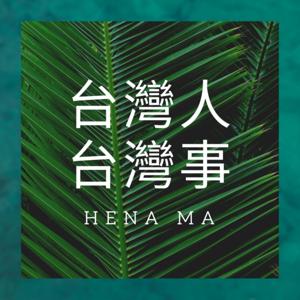


1970年代高雄捌是世界拆船的中心。拆船工業按怎起鼓?拆落來的物件提去佗位?拆船對台灣有啥物影響?這集講拆船佇台灣的發展。
1970 nî-tāi Ko-hiông bat sī sè-kài thiah-chûn ê tiong-sim. Thiah-chûn kang-giáp án-chóaⁿ khí-kó͘? Thiah--lo̍h-lâi ê mi̍h-kiāⁿ thèh khì tó-ūi? Thiah-chûn tùi Tâi-oân ū siáⁿ-mi̍h éng-hióng? Chit chi̍p kóng thiah-chûn tī Tâi-oân ê hoat-tián.
In the 1970s, Kaohsiung was once the center of the world’s ship-breaking industry. How did the industry get started? Where did the materials taken from the dismantled ships go? What influence did ship-breaking have on Taiwan? This episode talks about the development of ship-breaking in Taiwan.
---------------------------------------
訂閱電子報 https://reurl.cc/5bdqbR
網站 www.cultivataiwan.com
迷眾頁 www.facebook.com/HenamaTaiwan
贊助 https://p.ecpay.com.tw/B3A47EF 抑是 www.paypal.me/henama
這陣暗時有夜市仔,百外冬前有納涼會。往過的納涼會有百百種。古早的納涼會有啥物好𨑨迌?按怎辦?按怎耍?這對日本來的娛樂活動按怎演變,沓沓變做台灣的商業活動?
參考資料:陳毓婷〈日治時期臺灣的納涼會:以《臺灣日日新報》為主之探討(1902-1940)〉,國立暨南國際大學歷史學系碩士論文,2011年。
Chit-chūn àm-sî ū iā-chhī-á, pah-goā tang chêng ū nà-liâng-hoē. Éng-kòe ê nà-liâng-hoē pah-pah-chióng. Kó·-chá ê nà-liâng-hoē ū siáⁿ-mi̍h hó chhit-thô? Án-chóaⁿ pān? Án-chóaⁿ sńg? Che tùi Ji̍t-pún lâi ê ngô͘-lo̍k oa̍h-tōng án-chóaⁿ ián-piàn, ta̍uh-ta̍uh piàn-chò Tâi-oân ê siong-gia̍p oa̍h-tōng?
These days there are night markets in the evening, and a hundred-odd years ago there were nà-liâng-hoē (cool-off gatherings). The nà-liâng-hoē of the past came in a hundred different kinds. What was fun about the nà-liâng-hoē of old? How were they organized? How did people play and enjoy themselves? How did this form of entertainment, which came from Japan, change over time and gradually become a commercial activity in Taiwan?
---------------------------------------
訂閱電子報 https://reurl.cc/5bdqbR
網站 www.cultivataiwan.com
迷眾頁 www.facebook.com/HenamaTaiwan
月球的一塊石頭仔,對美國透過外交部送予台灣,這馬囥佇台中科博館。這集來講月球頂的石頭按怎佇台灣流浪?50冬後,台灣家己的探測儀按怎送去到月球?月球的土地生理有人咧做?落尾來講阿美族日頭佮月娘的神話。
Goe̍h-kiû ê chi̍t tè chio̍h-thâu-á, tuì Bí-kok thàu-kòe guā-kau-pōo sàng hōo Tâi-oân, chit-má khǹg tī Tâi-tiong Kho-phok-koán. Chit chi̍p lâi kóng goe̍h-kiû téng ê chio̍h-thâu án-chóaⁿ tī Tâi-oân liû-lōng? Gō͘-cha̍p tang āu, Tâi-oân ka-kī ê thàm-chhek-gî án-chóaⁿ sàng khì kàu goe̍h-kiû? Goe̍h-kiû ê thó͘-tē seng-lí ū lâng teh chò? Lo̍h-bé lâi kóng A-bí-cho̍k ji̍t-thâu kah goe̍h-niû ê sîn-ōe.
A small piece of moon rock, sent from the U.S. to Taiwan through diplomatic channels, now rests quietly in the National Museum of Natural Science in Taichung. This episode follows how that rock made its way through different institutions in Taiwan. Fifty years later, how did Taiwan's own homegrown space probe make it all the way to the moon? And is anyone really out there selling lunar real estate? We close with the Amis legend of the sun and the moon.
---------------------------------------
訂閱電子報 https://reurl.cc/5bdqbR
網站 www.cultivataiwan.com
迷眾頁 www.facebook.com/HenamaTaiwan
贊助 https://p.ecpay.com.tw/B3A47EF 抑是 www.paypal.me/henama
台北的第一座大橋,全長700公尺,是1889年劉銘傳為著大稻埕賣茶的生理起造。後來日本人改做鐵橋,號做台北大橋,是台北八景之一。這集講這座橋的身世,嘛講大橋頭的發展和佇戰後的變化;對大橋頭看台北市的歷史。
Tâi-pak ê tē-it chō tōa-kiô, choân-tn̂g chhit-pah kong-chhioh, sī 1889 nî Lâu Bêng-thoân uī-tio̍h Tōa-tiū-tiâⁿ bē-tê ê seng-lí khí-chō. Āu-lâi Ji̍t-pún-lâng kái-chò thih-kiô, hō-chò Tâi-pak Tāi-kiô, sī Tâi-pak Pat-kéng chi-it. Chit chi̍p kóng chit chō kiô ê sin-sè, mā kóng Tōa-kiô-thâu ê hoat-tián kah tī chiàn-āu ê piàn-hòa; tùi Tōa-kiô-thâu khòaⁿ Tâi-pak-chhī ê le̍k-sú.
Taipei's first major bridge, 700 meters long in total, was built in 1889 by Lâu Bêng-thoân for the tea trade of Tōa-tiū-tiâⁿ. Later, the Japanese rebuilt it as an iron bridge and named it the Taipei Bridge, one of the "Eight Scenic Views of Taipei." This episode tells the story of this bridge's history, as well as the development of the Tōa-kiô-thâu (bridgehead) area and its changes after the war — viewing the history of Taipei City through the lens of Tōa-kiô-thâu.
---------------------------------------
訂閱電子報 https://reurl.cc/5bdqbR
網站 www.cultivataiwan.com
迷眾頁 www.facebook.com/HenamaTaiwan
贊助 https://p.ecpay.com.tw/B3A47EF 抑是 www.paypal.me/henama
這陣飼貓的人數已經比飼狗閣較濟。古早冊內面寫的台灣貓有幾種?是按怎死貓愛吊樹頭?敢有人咧拜貓神?猴洞仔是按怎有遐爾濟貓?這集來講佇台灣的貓。
Chit-chūn chhī-niau ê lâng-sò͘ í-keng pí chhī-káu koh-khah chē. Kó͘-chá chheh lāi-bīn siá ê Tâi-oân niau ū kúi chióng? Sī án-chóaⁿ sí-niau ài tiàu chhiū-thâu? Kám ū lâng teh pài niau-sîn? Kâu-tōng-á sī án-chóaⁿ ū hiah-nī chē niau? Chit-chi̍p lâi kóng tī Tâi-oân ê niau.
These days, more people keep cats than dogs. How many kinds of Taiwanese cats show up in old books? Why is it said that a dead cat should be hung from a treetop? Does anyone actually worship a cat god? And why does Kâu-tōng have so many cats? In this episode, we're talking all about cats in Taiwan.
---------------------------------------
訂閱電子報 https://reurl.cc/5bdqbR
網站 www.cultivataiwan.com
迷眾頁 www.facebook.com/HenamaTaiwan
贊助 https://p.ecpay.com.tw/B3A47EF 抑是 www.paypal.me/henama
〈西北雨直直落〉這條囡仔歌逐家攏會曉唱,毋過你敢捌看過鮕鮘佮塗虱?這集來講這兩尾會佇塗跤爬的魚仔。鮕鮘佮塗虱攏有原生種,毋過已經變誠少,𪜶有啥物故事?有偌濟俗語?古早人按怎看這種魚?
"Sai-pak-hō͘ Ti̍t-ti̍t Lo̍h" chit tiâu gín-á-koa ta̍k-ke lóng ē-hiáu chhiùⁿ, m̄-koh lí kám bat khòaⁿ-kòe koo-tai kap thô͘-sat? Chit chi̍p lâi kóng chit nn̄g bóe ē tī thô͘-kha pê ê hî-á. Koo-tai kap thô͘-sat lóng ū goân-seng-chióng, m̄-koh í-keng piàn chiâⁿ chió, in ū siáⁿ-mih kò͘-sū? Ū gōa-chē sio̍k-gí? Kó͘-chá-lâng án-chóaⁿ khòaⁿ chit-chióng hî?
Everyone grew up singing "西北雨直直落" — but have you ever actually seen a koo-tai (small snakehead) or a thô͘-sat (walking catfish)? This episode, we're talking about these two fish that can crawl across the ground. Taiwan has native species of both, but they've grown increasingly rare. What's their story? How many old sayings have they inspired? And how did people back in the day think about these strange little fish?
---------------------------------------
訂閱電子報 https://reurl.cc/5bdqbR
網站 www.cultivataiwan.com
迷眾頁 www.facebook.com/HenamaTaiwan
贊助 https://p.ecpay.com.tw/B3A47EF 抑是 www.paypal.me/henama
《有聲的光批:四秀仔》佮《臺灣女性人物群像》
賣貨便 https://tinyurl.com/ysjmy729好賣+ https://tinyurl.com/4ya9p6xc
紅毛塗佇咱生活中的時間誠久長。紅毛塗是日本時代就有的工業;台灣水泥是台灣頭一間股票上市的公司。台灣水泥公司按怎來的?這幾冬的水泥生產有啥變化?這集來講水泥工業的發展。
Âng-mn̂g-thôo tī lán seng-oa̍h-tiong ê sî-kan chiâⁿ kú-tn̂g. Âng-mn̂g-thôo sī Ji̍t-pún sî-tāi tō ū ê kang-gia̍p; Tâi-oân Chúi-nî sī Tâi-oân thâu-chi̍t-keng kó-phiò chiūⁿ-chhī ê kong-si. Tâi-oân Chúi-nî kong-si án-chóaⁿ lâi--ê? Chit kúi tang ê chúi-nî seng-sán ū siáⁿ piàn-hoà? Chit chi̍p lâi kóng chúi-nî kang-gia̍p ê hoat-tián.
Cement has been part of our daily lives for a very long time. The industry in Taiwan traces back to the Japanese colonial era, and Taiwan Cement Corporation holds the distinction of being the first company ever listed on the Taiwan Stock Exchange. How did Taiwan Cement come into being? And how has cement production evolved in recent years? In this episode, we trace the development of Taiwan's cement industry.
---------------------------------------
訂閱電子報 https://reurl.cc/5bdqbR
網站 www.cultivataiwan.com
迷眾頁 www.facebook.com/HenamaTaiwan
贊助 https://p.ecpay.com.tw/B3A47EF 抑是 www.paypal.me/henama
一隻鳥仔換一隻牛,你敢欲信?台灣捌有瘋飼鳥仔的年代,對市內到庄跤,對公務人員到做穡人,真濟人咧飼十姊妹、金絲雀,想欲飼鳥趁錢。瘋飼鳥的時代是按怎開始、閣按怎結束?這集來講台灣金絲雀王國。
Chi̍t-chiah chiáu-á ōaⁿ chi̍t-chiah gû, lí kám beh sìn? Tâi-oân bat ū siáu chhī chiáu-á ê nî-tāi, tùi chhī-lāi kàu chng-kha, tùi kong-bū jîn-oân kàu chò-sit-lâng, chin-chē lâng teh chhī si̍p-chí-mōe, kim-si-chhiok, siūⁿ-beh chhī chiáu thàn-chîⁿ. Siáu chhī chiáu ê sî-tāi sī án-chóaⁿ khai-sí, koh án-chóaⁿ kiat-sok? Chit-chi̍p lâi kóng Tâi-oân Kim-si-chhiok Ông-kok.
A single bird once cost as much as an ox — would you believe it? Taiwan once lived through an era of bird-raising mania, spreading from the cities to the countryside, from civil servants to farmers, as countless people raised society finches and canaries, chasing a quick fortune. How did this craze begin, and how did it end? In this episode, we tell the story of Taiwan's "Canary Kingdom."
---------------------------------------
《來去百貨公司坐流籠》 https://reurl.cc/RRWy2g
訂閱電子報 https://reurl.cc/5bdqbR
網站 www.cultivataiwan.com
迷眾頁 www.facebook.com/HenamaTaiwan
贊助 https://p.ecpay.com.tw/B3A47EF 抑是 www.paypal.me/henama
農曆七月來講台灣上出名的查某鬼——林投姐!本底是海邊擋風的樹仔,按怎變做鬼?這集對無仝版本的故事、小說來講百外冬來這个民間故事的變化。自日本時代到這馬,林投姐這个角色按怎綴時代改變,無仝故事的社會背景佮台灣的女鬼文化。
Lông-le̍k chhit-goe̍h lâi kóng Tâi-oân siōng chhut-miâ ê cha-bó͘-kúi — Nâ-tâu-chí! Pún-té sī hái-piⁿ tòng-hong ê chhiū-á, án-chóaⁿ piàn-chò kúi? Chit-chi̍p tùi bô-kâng pán-pún ê kò͘-sū, sió-soat lâi kóng pah-gōa tang lâi chit-ê bîn-kan kò͘-sū ê piàn-hòa. Chū Ji̍t-pún sî-tāi kàu chit-má, Nâ-tâu-chí chit-ê kak-sek án-chóaⁿ tòe sî-tāi kái-piàn, bô-kâng kò͘-sū ê siā-hōe pōe-kéng kah Tâi-oân ê lú-kúi bûn-hòa.
Since it's the seventh lunar month, we're talking about Taiwan's most famous female ghost — Nâ-tâu-chí (Sister Pandanus)! She was originally just a windbreak tree by the seashore — so how did she become a ghost? This episode traces how this folk story has changed over more than a hundred years, drawing on different tale versions and novel adaptations. From the Japanese colonial era to today, we look at how the character of Nâ-tâu-chí has shifted along with the times, the differing social backgrounds behind each version of the story, and Taiwan's culture of female ghost tales.
這集節目內容參考:
陳彥伃(2020)。《穿越時空的女厲/力:論林投姐故事之「越界」書寫》,國立清華大學台灣文學研究所碩士論文。
張婉聆(2006)。〈林投姐〉故事鬼魂文化研究。《東華中國文學研究》,(4),147-170。
---------------------------------------
訂閱電子報 https://reurl.cc/5bdqbR
網站 www.cultivataiwan.com
迷眾頁 www.facebook.com/HenamaTaiwan
贊助 https://p.ecpay.com.tw/B3A47EF 抑是 www.paypal.me/henama
台灣紡織業按怎起鼓?無種棉仔的台灣,按怎對進口布料到家己紡紗織布,閣外銷全世界?這集紹介政府代紡代織、匯率政策佮上海幫、台南幫遮的頭家按怎配合,成做台灣工業起行的車母。來聽台灣紡織工業的故事。
Tâi-oân pháng-chit-gia̍p án-chóaⁿ khí-kó͘? Bô chèng mî-á ê Tâi-oân, án-chóaⁿ tùi chìn-kháu pò͘-liāu kàu ka-kī pháng-se chit-pò͘, koh gōa-siau choân-sè-kài? Chit chi̍p siāu-kài chèng-hú tāi-pháng tāi-chit, hōe-lu̍t chèng-chhek kap Siōng-hái-pang, Tâi-lâm-pang chiah-ê thâu-ke án-chóaⁿ phòe-ha̍p, chiâⁿ-chò tshuā Tâi-oân kang-gia̍p khí-kiâⁿ ê chhia-bó. Lâi thiaⁿ Tâi-oân pháng-chit kang-gia̍p ê kò͘-sū.
How did Taiwan's textile industry get started? Taiwan never grew its own cotton — so how did it go from importing fabric to spinning yarn and weaving cloth on its own, eventually exporting to the whole world? This episode looks at how the government's "contract spinning, contract weaving" policy, exchange-rate policy, and the Shanghai group, Tainan group worked together to become the engine that drove Taiwan's industrialization.
-----------------------------------
訂閱電子報 https://reurl.cc/5bdqbR
網站 www.cultivataiwan.com
迷眾頁 www.facebook.com/HenamaTaiwan
贊助 https://p.ecpay.com.tw/B3A47EF 抑是 www.paypal.me/henama
《有聲的光批:四秀仔》佮《臺灣女性人物群像》
賣貨便 https://tinyurl.com/ysjmy729好賣+ https://tinyurl.com/4ya9p6xc
From the publisher's feed

190 Listeners
153 Listeners

65 Listeners
74 Listeners

316 Listeners

307 Listeners
13 Listeners

160 Listeners
41 Listeners
49 Listeners

6 Listeners
24 Listeners

51 Listeners

32 Listeners

41 Listeners