
Sign up to save your podcasts
Or

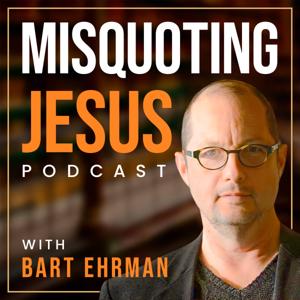

For a religion that claims to view their god as the most powerful, supreme being in the universe, some Christians have an interesting habit of placing restrictions on what he can and can't do.
God can't make a world without suffering, he has to inspire a collection of written texts (that have no mistakes in them), and he certainly can't be sympathetic to anyone who practices other religion. But where do these limitations come from, and what purpose do they serve? In short: who says?
 View all episodes
 By Bart Ehrman

4.8
633633 ratings
For a religion that claims to view their god as the most powerful, supreme being in the universe, some Christians have an interesting habit of placing restrictions on what he can and can't do.
God can't make a world without suffering, he has to inspire a collection of written texts (that have no mistakes in them), and he certainly can't be sympathetic to anyone who practices other religion. But where do these limitations come from, and what purpose do they serve? In short: who says?

578 Listeners

5,520 Listeners

3,223 Listeners

26,250 Listeners

2,859 Listeners

3,292 Listeners
934 Listeners

4,170 Listeners

1,939 Listeners
1,645 Listeners

506 Listeners
3,370 Listeners

15,592 Listeners

227 Listeners

1,457 Listeners