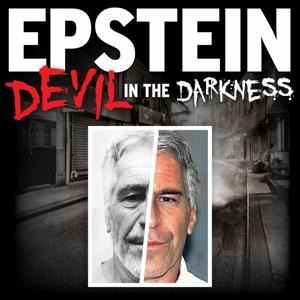
Seven years after Jeffrey Epstein was found dead in his cell at the Metropolitan Correctional Center in Manhattan, his death has become the catalyst for an extraordinary reckoning over government secrecy, institutional failures, and the protection of powerful individuals. Epstein's August 10, 2019, death came just weeks after his arrest on federal sex trafficking charges, eliminating the possibility of a public criminal trial that could have exposed the full extent of his operation and the people who enabled it. Although authorities ruled his death a suicide, the extraordinary failures surrounding his incarceration, including missed inmate checks, falsified records, staffing shortages, and surveillance problems, generated widespread distrust of the government's explanation. The controversy evolved beyond the circumstances of Epstein's death into a much larger examination of how a convicted sex offender maintained relationships with influential politicians, financiers, academics, and members of royalty while avoiding meaningful accountability for years. Rather than bringing the scandal to an end, Epstein's death intensified public interest in his associates, financial dealings, institutional relationships, and the failures of federal law enforcement. Subsequent civil lawsuits, congressional investigations, criminal proceedings against Ghislaine Maxwell, and repeated document disclosures exposed additional details of his criminal enterprise while generating new questions about the decisions that allowed it to operate for so long.
The enduring significance of Epstein's death lies in how it transformed an individual criminal case into a broader crisis of confidence in the institutions responsible for investigating and prosecuting powerful offenders. What might once have been dismissed as conspiracy theories became intertwined with documented examples of preferential treatment, questionable prosecutorial decisions, financial institutions maintaining relationships with Epstein despite serious warnings, and government agencies repeatedly resisting demands for greater transparency. The failure to bring Epstein to trial left survivors without the opportunity to confront him in court and forced journalists, attorneys, and investigators to reconstruct his operation through fragmented records and testimony. His death also created an environment in which every withheld document, unexplained redaction, and contradictory government statement fueled suspicions that authorities were more interested in protecting institutions and reputations than establishing the complete truth. The controversy continued to grow as the Trump administration's handling of the Epstein files brought renewed political attention to questions that had remained unresolved since 2019. Ultimately, Epstein's death did not bury the story or protect his associates from scrutiny; it helped ensure that his name would remain synonymous with elite privilege, institutional corruption, and the public's growing distrust of government. Seven years later, the central questions remain not simply how Epstein died, but how his criminal enterprise was allowed to flourish, who helped sustain it, and why so few individuals have faced criminal consequences for their involvement.
to contact me:
[email protected]Become a supporter of this podcast: https://www.spreaker.com/podcast/the-epstein-chronicles--5003294/support.