
Sign up to save your podcasts
Or

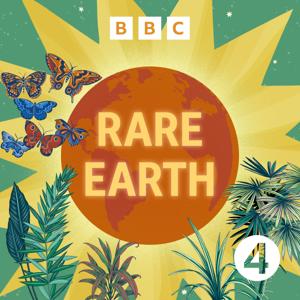

Some of the wealthiest tech entrepreneurs share a vision of life beyond the horizon. They see a future for humankind that abandons our tired, dirty planet and creates new colonies of health and creativity on the Moon, on Mars or even further into deep space. Is this a wise precaution for all our futures or an insurance policy for the super-wealthy as they continue to trash our home planet? Tom Heap and Helen Czerski are joined by British astronaut, Tim Peake to consider the big moral questions of space colonisation and the practical problems of devising ways to make the best of the extraordinary possibilities of space without increasing the pressure on Earth’s resources. If we do colonise another planet how do we avoid making the same mistakes again? How do we grow food and find or produce freshwater? How can we travel to, from and around these planets without burning more fossil fuels? Could the answers help us all live a better life right here, right now? Joining Helen, Tom and Tim in studio are Eloise Marais, who leads the Atmospheric Composition and Air Quality research group at University College London and co-chair of the Environmental Task Force at Space Scotland, Andrew Fournet, and Tom pays a visit to a company in Bletchley who are developing nuclear fusion propulsion.
Producer: Alasdair Cross
Produced in association with the Open University
 View all episodes
 By BBC Radio 4

4.9
1313 ratings
Some of the wealthiest tech entrepreneurs share a vision of life beyond the horizon. They see a future for humankind that abandons our tired, dirty planet and creates new colonies of health and creativity on the Moon, on Mars or even further into deep space. Is this a wise precaution for all our futures or an insurance policy for the super-wealthy as they continue to trash our home planet? Tom Heap and Helen Czerski are joined by British astronaut, Tim Peake to consider the big moral questions of space colonisation and the practical problems of devising ways to make the best of the extraordinary possibilities of space without increasing the pressure on Earth’s resources. If we do colonise another planet how do we avoid making the same mistakes again? How do we grow food and find or produce freshwater? How can we travel to, from and around these planets without burning more fossil fuels? Could the answers help us all live a better life right here, right now? Joining Helen, Tom and Tim in studio are Eloise Marais, who leads the Atmospheric Composition and Air Quality research group at University College London and co-chair of the Environmental Task Force at Space Scotland, Andrew Fournet, and Tom pays a visit to a company in Bletchley who are developing nuclear fusion propulsion.
Producer: Alasdair Cross
Produced in association with the Open University

376 Listeners

884 Listeners

421 Listeners

416 Listeners

760 Listeners
734 Listeners

233 Listeners
331 Listeners

361 Listeners

474 Listeners

145 Listeners
462 Listeners
113 Listeners
177 Listeners
39 Listeners