
Sign up to save your podcasts
Or

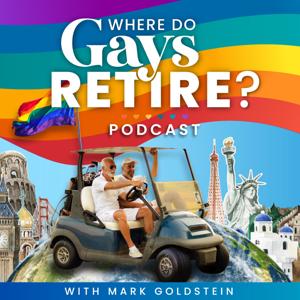

Today, we’re diving into the spicy topic of walkability and whether you can retire without a car. Spoiler alert: you totally can! I’ve lived in places where cars were as necessary as oxygen, and others where you can strut your stuff on foot with ease. We’ll chat about why walkable neighborhoods are the bee's knees for your health, social life, and wallet, plus I’ll share some fab locations where you can kick back without the hassle of a vehicle. From the bustling streets of New York to the sun-soaked sidewalks of Provincetown, let’s figure out where you can enjoy life without revving an engine! So grab your walking shoes, and let’s hit the pavement!
Retirement isn’t just about sipping cocktails on the beach; it’s about living your best life, and that includes deciding whether you really want to own a car. Mark Goldstein dives headfirst into the importance of walkability in retirement, drawing from his own experiences living in car-dependent and pedestrian-friendly cities. He paints a vivid picture of life in New York, where owning a car feels like an unnecessary burden, versus the sprawling suburbs that demand a vehicle just to grab a quart of milk. Through his lighthearted anecdotes, he emphasizes how walkability isn’t merely about sidewalks — it’s about reclaiming independence and fostering community as we age.
Mark lays out three compelling reasons why walkability matters in retirement: health, social engagement, and financial savings. Walking isn’t just good for your waistline; it’s a gateway to meeting people and experiencing life on a more intimate level. As he humorously notes, when you’re behind the wheel, the only connection you’re likely to make is through a honk or a wave of frustration. But when you’re out strolling, you’re more likely to share a smile or a spontaneous chat with a neighbor. Plus, let’s get real — cars can gut your retirement savings quicker than you can say “car insurance.” With the costs of gas, maintenance, and unexpected repairs piling up, it’s clear that ditching the car might free up some cash for those dreamy vacations you’ve been planning.
As the episode unfolds, Mark explores various cities known for their walkability, from the iconic streets of San Francisco to the historic charm of Boston, where you can enjoy a leisurely stroll without feeling like you’re on a treadmill. He highlights LGBTQ-friendly neighborhoods that not only offer vibrant community life but also make it easy to live without a car. With a nod to international destinations, he gives a shout-out to places where walkability is the norm, unlike the car-centric U.S. Join Mark on this delightful exploration of where to retire without the burden of a vehicle, and you might just find your next home sweet home, where the only thing you need to worry about is which café to visit next!
Takeaways:
Links referenced in this episode:
Companies mentioned in this episode:
Mentioned in this episode:
Introducing LGBTQSeniors.com – A Free Community for Connection & Pride
Mark Goldstein, host of the Where Do Gays Retire Podcast, shares exciting news:
 View all episodes
 By Mark Goldstein
5
4545 ratings
Today, we’re diving into the spicy topic of walkability and whether you can retire without a car. Spoiler alert: you totally can! I’ve lived in places where cars were as necessary as oxygen, and others where you can strut your stuff on foot with ease. We’ll chat about why walkable neighborhoods are the bee's knees for your health, social life, and wallet, plus I’ll share some fab locations where you can kick back without the hassle of a vehicle. From the bustling streets of New York to the sun-soaked sidewalks of Provincetown, let’s figure out where you can enjoy life without revving an engine! So grab your walking shoes, and let’s hit the pavement!
Retirement isn’t just about sipping cocktails on the beach; it’s about living your best life, and that includes deciding whether you really want to own a car. Mark Goldstein dives headfirst into the importance of walkability in retirement, drawing from his own experiences living in car-dependent and pedestrian-friendly cities. He paints a vivid picture of life in New York, where owning a car feels like an unnecessary burden, versus the sprawling suburbs that demand a vehicle just to grab a quart of milk. Through his lighthearted anecdotes, he emphasizes how walkability isn’t merely about sidewalks — it’s about reclaiming independence and fostering community as we age.
Mark lays out three compelling reasons why walkability matters in retirement: health, social engagement, and financial savings. Walking isn’t just good for your waistline; it’s a gateway to meeting people and experiencing life on a more intimate level. As he humorously notes, when you’re behind the wheel, the only connection you’re likely to make is through a honk or a wave of frustration. But when you’re out strolling, you’re more likely to share a smile or a spontaneous chat with a neighbor. Plus, let’s get real — cars can gut your retirement savings quicker than you can say “car insurance.” With the costs of gas, maintenance, and unexpected repairs piling up, it’s clear that ditching the car might free up some cash for those dreamy vacations you’ve been planning.
As the episode unfolds, Mark explores various cities known for their walkability, from the iconic streets of San Francisco to the historic charm of Boston, where you can enjoy a leisurely stroll without feeling like you’re on a treadmill. He highlights LGBTQ-friendly neighborhoods that not only offer vibrant community life but also make it easy to live without a car. With a nod to international destinations, he gives a shout-out to places where walkability is the norm, unlike the car-centric U.S. Join Mark on this delightful exploration of where to retire without the burden of a vehicle, and you might just find your next home sweet home, where the only thing you need to worry about is which café to visit next!
Takeaways:
Links referenced in this episode:
Companies mentioned in this episode:
Mentioned in this episode:
Introducing LGBTQSeniors.com – A Free Community for Connection & Pride
Mark Goldstein, host of the Where Do Gays Retire Podcast, shares exciting news:

32,246 Listeners

38,950 Listeners
9,724 Listeners

169 Listeners

87,868 Listeners

56,944 Listeners

1,759 Listeners

69,626 Listeners

444 Listeners
2,222 Listeners

16,525 Listeners

359 Listeners

188 Listeners

3,538 Listeners