
Sign up to save your podcasts
Or

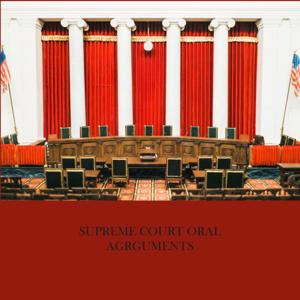


PART 1: SHOW NOTES
Cisco Systems, Inc. v. Doe I | Case No. 24-856 | Docket Link: https://www.supremecourt.gov/docket/docketfiles/html/public/24-856.html | Argued: 04/28/2026 | Decided: 06/23/2026
Overview: The Supreme Court ended corporate accountability under two federal human-rights statutes, ruling that courts carry no authority to create new Alien Tort Statute lawsuits and that the Torture Victim Protection Act reaches only direct perpetrators — not their corporate enablers.
Question Presented: Whether the ATS and TVPA authorize civil aiding-and-abetting liability against a U.S. technology company that allegedly helped a foreign government torture a religious minority.
Posture: Ninth Circuit reversed dismissal and allowed aiding-and-abetting claims; Supreme Court granted certiorari January 9, 2026.
Main Arguments:
Holding: Federal courts carry no authority to create new causes of action under the ATS, and the TVPA's "subjects" language does not reach those who aided and abetted torture. Ninth Circuit reversed and remanded.
Voting Breakdown: 6-3. Justice Barrett delivered the majority opinion joined by Chief Justice Roberts and Justices Thomas, Alito, Gorsuch, and Kavanaugh. Justice Jackson filed an opinion concurring in judgment in part and dissenting in part, joined by Justice Kagan. Justice Sotomayor filed a dissenting opinion joined by Justices Kagan and Jackson as to Parts I–III and V. Ninth Circuit reversed and remanded.
Opinion: Here
Majority Reasoning:
Separate Opinions:
Implications:
The Fine Print:
Primary Cases:
Oral Advocates:
Overview:
Blanche, Acting Attorney General versus Lau | No. 25–429
Cisco Systems, Inc. versus Doe | No. 24–856
Exxon Mobil Corp. versus Corporación Cimex, S.A. (Cuba) | No. 24–699
Landor versus Louisiana Department of Corrections and Public Safety | No. 23–1197
Pung, Personal Representative of the Estate of Pung versus Isabella County, Michigan | No. 25–95
United States v. Hemani | Case No. 24-1234 | Docket Link: Here | Argued: 03/02/2026 | Decided: 06/18/2026
Overview: A federal law strips gun rights from regular drug users without proof of danger. This case tests how far the Second Amendment's history-and-tradition standard limits Congress's power to disarm marijuana users.
Oral Advocates:
Question Presented: Whether 18 U.S.C. Section 922(g)(3) violates the Second Amendment as applied to a marijuana user with no history of violence.
Posture: District court dismissed the indictment; Fifth Circuit affirmed; Supreme Court granted certiorari.
Main Arguments:
Holding: The government's prosecution of Mr. Hemani under §922(g)(3)'s unlawful user provision is inconsistent with the Second Amendment.
Voting Breakdown: 9-0. Justice Gorsuch wrote the majority opinion joined by Chief Justice Roberts and Justices Thomas, Sotomayor, Kavanaugh, Barrett, and Jackson. Justice Thomas wrote a concurring opinion. Justice Jackson wrote a concurring opinion joined by Justice Sotomayor. Justice Alito wrote an opinion concurring in the judgment joined by Justice Kagan. Affirmed.
Opinion: Here
Majority Reasoning: (1) The government's "habitual drunkard" historical analogues targeted only the incapacitated, not regular or even heavy users, undercutting the claimed "why"; (2) Those laws aimed to protect drunkards and the public from idleness or financial ruin, not categorically violent people, further undercutting the "why"; (3) Historical laws required pre-deprivation process, while Section 922(g)(3) disarms automatically with none, failing the "how."
Separate Opinions:
Implications: (1) Federal prosecutors need more than admitted regular drug use to bring a 922(g)(3) charge; (2) Marijuana users in legal-marijuana states gain real protection from automatic federal gun prosecution; (3) Defense attorneys gain a roadmap for similar challenges, while bans on addicts, intoxicated possessors, and felons stay untouched.
The Fine Print:
Primary Cases:
Timestamps:
[00:00:00] Case Preview
[00:01:02] Oral Argument Begins
[00:01:08] United States Opening Statement
[00:03:09] United States Free for All Questions
[00:26:14] United States Round Robin Questions
[01:00:32] Hemani Opening Statement
[01:02:37] Hemani Free for All Questions
[01:31:01] Hemani Round Robin Questions
[01:50:46] United States Rebuttal
Hunter v. United States | Case No. 24-1063 | Docket Link: Here | Argued: 03/03/2026 | Decided: 06/18/2026
Overview: A plea deal's appeal waiver collides with a forced-medication sentence, pushing the Supreme Court to decide when courts can void a waiver — reshaping appellate rights for the ninety-five percent of federal defendants who plead guilty.
Oral Advocates:
Question Presented: Whether an appeal waiver remains enforceable when enforcing it would create a miscarriage of justice in sentencing.
Posture: Fifth Circuit dismissed Hunter's appeal under the waiver; Court granted certiorari to resolve a split.
Main Arguments:
Holding: An agreement not to appeal a sentence is unenforceable when it would result in a miscarriage of justice — meaning, when it would leave in place the kind of egregious error that would bring the judicial system into disrepute.
Voting Breakdown: 8-1. Justice Kagan wrote the majority opinion joined by Chief Justice Roberts and Justices Alito, Sotomayor, Gorsuch, Kavanaugh, Barrett, and Jackson. Justice Gorsuch filed a concurring opinion joined by Justices Sotomayor and Jackson. Justice Kavanaugh filed a concurring opinion joined by Justices Alito and Barrett. Justice Barrett filed a concurring opinion. Justice Thomas filed a dissenting opinion. Vacated and remanded.
Opinion: Here
Majority Reasoning: (1) Hunter's claim that the judge's statement and prosecutor's silence voided the waiver fails, since the agreement requires written, signed modifications and the government's chance to enforce the waiver arises only after a notice of appeal; (2) courts retain independent authority over plea waivers, since judges must approve every agreement and appellate courts control enforcement; (3) a miscarriage-of-justice standard, requiring an obvious and egregious error, replaces both the government's absolute-enforcement rule and the Fifth Circuit's narrow two-exception rule.
Separate Opinions:
Implications:
The Fine Print:
Primary Cases:
Timestamps:
[00:00:00] Oral Argument Preview
[00:01:00] Oral Advocates
[00:01:11] Oral Argument Begins
[00:01:18] Hunter Opening Statement
[00:03:10] Hunter Free for All Questions
[00:27:27] Hunter Round Robin Questions
[00:45:07] United States Opening Statement
[00:46:54] Hunter Free for All Questions
[01:15:22] United States Round Robin Questions
[01:33:51] Hunter Rebuttal
United States v. Hemani | Case No. 24-1234 | Docket Link: Here | Argued: 03/02/2026 | Decided: 06/18/2026
Interview with Adeel Bashir: Here
Overview: A federal law strips gun rights from regular drug users without proof of danger. This case tests how far the Second Amendment's history-and-tradition standard limits Congress's power to disarm marijuana users.
Question Presented: Whether 18 U.S.C. Section 922(g)(3) violates the Second Amendment as applied to a marijuana user with no history of violence.
Posture: District court dismissed the indictment; Fifth Circuit affirmed; Supreme Court granted certiorari.
Main Arguments:
Holding: The government's prosecution of Mr. Hemani under §922(g)(3)'s unlawful user provision is inconsistent with the Second Amendment.
Voting Breakdown: 9-0. Justice Gorsuch wrote the majority opinion joined by Chief Justice Roberts and Justices Thomas, Sotomayor, Kavanaugh, Barrett, and Jackson. Justice Thomas wrote a concurring opinion. Justice Jackson wrote a concurring opinion joined by Justice Sotomayor. Justice Alito wrote an opinion concurring in the judgment joined by Justice Kagan. Affirmed.
Opinion: Here
Majority Reasoning: (1) The government's "habitual drunkard" historical analogues targeted only the incapacitated, not regular or even heavy users, undercutting the claimed "why"; (2) Those laws aimed to protect drunkards and the public from idleness or financial ruin, not categorically violent people, further undercutting the "why"; (3) Historical laws required pre-deprivation process, while Section 922(g)(3) disarms automatically with none, failing the "how."
Separate Opinions:
Implications: (1) Federal prosecutors need more than admitted regular drug use to bring a 922(g)(3) charge; (2) Marijuana users in legal-marijuana states gain real protection from automatic federal gun prosecution; (3) Defense attorneys gain a roadmap for similar challenges, while bans on addicts, intoxicated possessors, and felons stay untouched.
The Fine Print:
Primary Cases:
Oral Advocates:
Hunter v. United States | Case No. 24-1063 | Docket Link: Here | Argued: 03/03/2026 | Decided: 06/18/2026
Overview: A plea deal's appeal waiver collides with a forced-medication sentence, pushing the Supreme Court to decide when courts can void a waiver — reshaping appellate rights for the ninety-five percent of federal defendants who plead guilty.
Question Presented: Whether an appeal waiver remains enforceable when enforcing it would create a miscarriage of justice in sentencing.
Posture: Fifth Circuit dismissed Hunter's appeal under the waiver; Court granted certiorari to resolve a split.
Main Arguments:
Holding: An agreement not to appeal a sentence is unenforceable when it would result in a miscarriage of justice — meaning, when it would leave in place the kind of egregious error that would bring the judicial system into disrepute.
Voting Breakdown: 8-1. Justice Kagan wrote the majority opinion joined by Chief Justice Roberts and Justices Alito, Sotomayor, Gorsuch, Kavanaugh, Barrett, and Jackson. Justice Gorsuch filed a concurring opinion joined by Justices Sotomayor and Jackson. Justice Kavanaugh filed a concurring opinion joined by Justices Alito and Barrett. Justice Barrett filed a concurring opinion. Justice Thomas filed a dissenting opinion. Vacated and remanded.
Opinion: Here
Majority Reasoning: (1) Hunter's claim that the judge's statement and prosecutor's silence voided the waiver fails, since the agreement requires written, signed modifications and the government's chance to enforce the waiver arises only after a notice of appeal; (2) courts retain independent authority over plea waivers, since judges must approve every agreement and appellate courts control enforcement; (3) a miscarriage-of-justice standard, requiring an obvious and egregious error, replaces both the government's absolute-enforcement rule and the Fifth Circuit's narrow two-exception rule.
Separate Opinions:
Implications:
The Fine Print:
Primary Cases:
Oral Advocates:
T.M. v. University of Maryland Medical System Corporation | Case No. 25-197 | Docket Link: Here | Argued: April 20, 2026 | Decided: June 18, 2026
Overview: A Maryland woman signed a state-court consent order to secure release from involuntary psychiatric commitment, then challenged that order in federal district court while her state-court appeal remained pending — pushing the limits of the Rooker-Feldman doctrine.
Question Presented: Whether the Rooker-Feldman doctrine bars federal district court jurisdiction over suits challenging state-court judgments that remain subject to further review in state appellate proceedings.
Posture: Fourth Circuit affirmed District Court's dismissal of T.M.'s complaint under Rooker-Feldman for lack of jurisdiction.
Main Arguments:
T.M. (Petitioner):
UMD Medical System (Respondent):
Holding: The Rooker-Feldman doctrine bars federal district court jurisdiction over suits brought by state-court losers complaining of injuries caused by state-court judgments rendered before the district court proceedings commenced and seeking federal review and rejection of those judgments, regardless of whether the state-court judgment remains subject to further review in state appellate proceedings. Affirmed.
Voting Breakdown: 5-4. Justice Sotomayor delivered the opinion of the Court, joined by Justices Thomas, Alito, Kavanaugh, and Jackson. Justice Thomas filed a concurring opinion. Justice Barrett filed a dissenting opinion, joined by Chief Justice Roberts and Justices Kagan and Gorsuch. Fourth Circuit affirmed.
Opinion: Here
Majority Reasoning:
Separate Opinions:
Implications:
The Fine Print:
Primary Cases:
Timestamps:
[00:00:00] Argument Preview
[00:01:15] Oral Advocates
[00:01:27] Argument Begins
[00:01:35] T.M. Opening Statement
[00:03:51] T.M. Free for All Questions
[00:27:56] T.M. Round Robin Questions
[00:42:13] UMD Medical Opening Statement
[00:44:01] UMD Medical Free for All Questions
[00:59:41] UMD Medical Round Robin Questions
[00:59:50] T.M. Rebuttal
T.M. v. University of Maryland Medical System Corporation | Case No. 25-197 | Docket Link: Here | Argued: April 20, 2026 | Decided: June 18, 2026
Overview: A Maryland woman signed a state-court consent order to secure release from involuntary psychiatric commitment, then challenged that order in federal district court while her state-court appeal remained pending — pushing the limits of the Rooker-Feldman doctrine.
Question Presented: Whether the Rooker-Feldman doctrine bars federal district court jurisdiction over suits challenging state-court judgments that remain subject to further review in state appellate proceedings.
Posture: Fourth Circuit affirmed District Court's dismissal of T.M.'s complaint under Rooker-Feldman for lack of jurisdiction.
Main Arguments:
T.M. (Petitioner):
UMD Medical System (Respondent):
Holding: The Rooker-Feldman doctrine bars federal district court jurisdiction over suits brought by state-court losers complaining of injuries caused by state-court judgments rendered before the district court proceedings commenced and seeking federal review and rejection of those judgments, regardless of whether the state-court judgment remains subject to further review in state appellate proceedings. Affirmed.
Voting Breakdown: 5-4. Justice Sotomayor delivered the opinion of the Court, joined by Justices Thomas, Alito, Kavanaugh, and Jackson. Justice Thomas filed a concurring opinion. Justice Barrett filed a dissenting opinion, joined by Chief Justice Roberts and Justices Kagan and Gorsuch. Fourth Circuit affirmed.
Opinion: Here
Majority Reasoning:
Separate Opinions:
Implications:
The Fine Print:
Primary Cases:
Oral Advocates:
FS Credit Opportunities Corp. v. Saba Capital Master Fund, Ltd. | Case No. 24-345 | Docket Link: Here | Argued: 12/10/2025 | Decided: 06/11/2026
Overview: The Investment Company Act case addresses whether Section 47(b) grants private parties the right to sue for contract rescission, testing the limits of implied private rights of ac
Oral Advocates:
Question Presented: Whether Section 47(b) of the Investment Company Act impliedly empowers private parties to sue for contract rescission.
Posture: District Court granted Saba summary judgment; Second Circuit summarily affirmed; Supreme Court reversed.
Main Arguments:
Holding: Section 47(b) of the ICA does not impliedly empower private parties to sue for rescission of contracts that allegedly violate the Act.
Voting Breakdown: 6-3. Justice Barrett wrote the majority opinion joined by Chief Justice Roberts and Justices Thomas, Alito, Gorsuch, and Kavanaugh. Justice Kagan filed a dissenting opinion. Justice Jackson filed a dissenting opinion joined by Justice Sotomayor, with Justice Kagan joining Parts I and II. Reversed and remanded.
Opinion: Here
Majority Reasoning:
Separate Opinions:
Implications:
The Fine Print:
Primary Cases:
Timestamps:
[00:00:00] Argument Preview
[00:01:12] Argument Begins
[00:01:21] Abouammo Opening Statement
[00:03:30] Abouammo Free for All Questions
[00:26:27] Abouammo Round Robin Questions
[00:33:40] United States Opening Statement
[00:35:54] United States Free for All Questions
[01:04:34] United States Round Robin Questions
[01:13:58] Abouammo Rebuttal
FS Credit Opportunities Corp. v. Saba Capital Master Fund, Ltd. | Case No. 24-345 | Docket: Here | Argued: 12/10/2025 | Decided: 06/11/2026
Overview: The Investment Company Act case addresses whether Section 47(b) grants private parties the right to sue for contract rescission, testing the limits of implied private rights of action against a comprehensive SEC enforcement scheme.
Oral Advocates:
Question Presented: Whether Section 47(b) of the Investment Company Act impliedly empowers private parties to sue for contract rescission.
Posture: District Court granted Saba summary judgment; Second Circuit summarily affirmed; Supreme Court reversed.
Main Arguments:
Holding: Section 47(b) of the ICA does not impliedly empower private parties to sue for rescission of contracts that allegedly violate the Act.
Voting Breakdown: 6-3. Justice Barrett wrote the majority opinion joined by Chief Justice Roberts and Justices Thomas, Alito, Gorsuch, and Kavanaugh. Justice Kagan filed a dissenting opinion. Justice Jackson filed a dissenting opinion joined by Justice Sotomayor, with Justice Kagan joining Parts I and II. Reversed and remanded.
Opinion: Here
Majority Reasoning:
Separate Opinions:
Implications:
The Fine Print:
Primary Cases:
Timestamps:
[00:00:00] Oral Argument Preview
[00:01:23] Oral Argument Begins
[00:01:36] Petitioner Opening Statement
[00:03:40] Petitioner Free for All Questions
[00:19:29] Petitioner Round Robin Questions
[00:30:53] United States as Amicus Curiae Opening Statement
[00:32:17] United States Free for All Questions
[00:42:11] United States Round Robin Questions
[00:46:27] Respondent Opening Statement
[00:48:55] Respondent Free for All Questions
[01:16:48] Respondent Round Robin Questions
[01:16:58] Petitioner Rebuttal
From the publisher's feed

25,766 Listeners

3,467 Listeners
377 Listeners

1,100 Listeners
706 Listeners

87,153 Listeners

111,829 Listeners

2,398 Listeners

32,252 Listeners

7,127 Listeners

5,732 Listeners

3,920 Listeners

15,896 Listeners

718 Listeners

741 Listeners