
Sign up to save your podcasts
Or

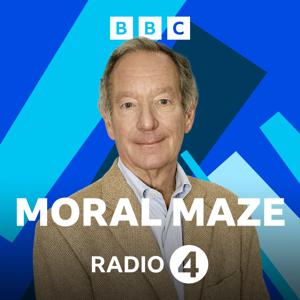

It emerged this week that scientists in South Korea have created a new kind of “meaty” rice, with high levels of protein. The grains are packed with beef muscle and fat cells – all grown in a lab. It’s just the latest of many meat-alternatives that are helping people to eat less meat. Supermarkets are responding to public demand by offering an ever wider choice of plant-based foods. But while we might not need to eat meat, most of us really enjoy it.
The goal posts are shifting in the age old debate about the morality of meat. Whatever you think about the industrial breeding of animals, to be slaughtered and served up for our pleasure, there’s now another compelling argument for us to stop, or at least cut back – meat production significantly contributes to climate change.
In the last decade, the number of vegans in the UK has increased steeply, but it’s still small. Estimates vary between about 2% and 3% of the population. Many more are vegetarian, who avoid meat and fish, but eat dairy. There are also flexitarians, who mainly choose a plant-based diet, but do occasionally eat meat.
A moral argument that was once focused on whether humans have the right to exploit animals has become a broader debate that includes protecting the planet for future generations. Some say it’s natural for humans to eat meat, indeed we have evolved to do so. Others think it’s barbaric and the effects of the meat and dairy industry on the climate have made the argument for veganism overwhelming. What’s the moral case for veganism?
Presenter: Michael Buerk
 View all episodes
 By BBC Radio 4

4.6
5151 ratings
It emerged this week that scientists in South Korea have created a new kind of “meaty” rice, with high levels of protein. The grains are packed with beef muscle and fat cells – all grown in a lab. It’s just the latest of many meat-alternatives that are helping people to eat less meat. Supermarkets are responding to public demand by offering an ever wider choice of plant-based foods. But while we might not need to eat meat, most of us really enjoy it.
The goal posts are shifting in the age old debate about the morality of meat. Whatever you think about the industrial breeding of animals, to be slaughtered and served up for our pleasure, there’s now another compelling argument for us to stop, or at least cut back – meat production significantly contributes to climate change.
In the last decade, the number of vegans in the UK has increased steeply, but it’s still small. Estimates vary between about 2% and 3% of the population. Many more are vegetarian, who avoid meat and fish, but eat dairy. There are also flexitarians, who mainly choose a plant-based diet, but do occasionally eat meat.
A moral argument that was once focused on whether humans have the right to exploit animals has become a broader debate that includes protecting the planet for future generations. Some say it’s natural for humans to eat meat, indeed we have evolved to do so. Others think it’s barbaric and the effects of the meat and dairy industry on the climate have made the argument for veganism overwhelming. What’s the moral case for veganism?
Presenter: Michael Buerk

7,913 Listeners

863 Listeners

1,067 Listeners
159 Listeners

5,576 Listeners

1,808 Listeners

1,729 Listeners

1,018 Listeners

2,113 Listeners

1,952 Listeners
32 Listeners
38 Listeners

428 Listeners
159 Listeners
43 Listeners
75 Listeners
108 Listeners
745 Listeners

3,245 Listeners

779 Listeners
1,010 Listeners
3,858 Listeners

1,314 Listeners
851 Listeners
48 Listeners