
Sign up to save your podcasts
Or

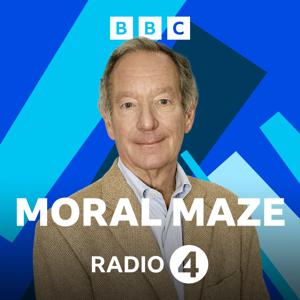

Tatty bye, Doddy. The most famous resident of Knotty Ash, wielder of the tickling stick and creator of the Diddymen, has died. Sir Ken Dodd's widow said: "He just wanted to make people happy". He was both of his time - described as "one of the last music hall greats" - and timeless. From his debut at the Nottingham Empire in 1954 as "Professor Yaffle Chucklebutty: Operatic Tenor and Sausage Knotter," he never failed to reduce his audiences to tears of helpless laughter. For some, there could be no higher moral purpose of comedy than this. Yet we don't all agree about what is funny or even about what comedy is for. There will always be those who think that some subjects are beyond humour. Others will say it's the target of the humour that's important. Should comedy reinforce or challenge the moral consensus of its audience? When is mockery offensive and when is it satire? Where is the line between challenging bigotry and reinforcing stereotypes? Are comedians as important as pundits or politicians to the health of democracy? Or has comedy dumbed down debate and trivialised issues we should be taking seriously? Was Molière right when he said that the function of comedy is "to correct men's vices"? Or should we just stick a cucumber through next doors' letter box and tell them the Martians have landed? Witnesses are Dominic Frisby, Prof Matthew Flinders, Lynne Parker and Ted Robbins.
Producer: Dan Tierney.
 View all episodes
 By BBC Radio 4

4.6
5151 ratings
Tatty bye, Doddy. The most famous resident of Knotty Ash, wielder of the tickling stick and creator of the Diddymen, has died. Sir Ken Dodd's widow said: "He just wanted to make people happy". He was both of his time - described as "one of the last music hall greats" - and timeless. From his debut at the Nottingham Empire in 1954 as "Professor Yaffle Chucklebutty: Operatic Tenor and Sausage Knotter," he never failed to reduce his audiences to tears of helpless laughter. For some, there could be no higher moral purpose of comedy than this. Yet we don't all agree about what is funny or even about what comedy is for. There will always be those who think that some subjects are beyond humour. Others will say it's the target of the humour that's important. Should comedy reinforce or challenge the moral consensus of its audience? When is mockery offensive and when is it satire? Where is the line between challenging bigotry and reinforcing stereotypes? Are comedians as important as pundits or politicians to the health of democracy? Or has comedy dumbed down debate and trivialised issues we should be taking seriously? Was Molière right when he said that the function of comedy is "to correct men's vices"? Or should we just stick a cucumber through next doors' letter box and tell them the Martians have landed? Witnesses are Dominic Frisby, Prof Matthew Flinders, Lynne Parker and Ted Robbins.
Producer: Dan Tierney.

7,913 Listeners

863 Listeners

1,067 Listeners
159 Listeners

5,576 Listeners

1,808 Listeners

1,729 Listeners

1,018 Listeners
2,113 Listeners

1,952 Listeners
32 Listeners
38 Listeners
428 Listeners
159 Listeners
43 Listeners
75 Listeners
108 Listeners
745 Listeners

3,245 Listeners
779 Listeners

1,010 Listeners
3,858 Listeners
1,314 Listeners
851 Listeners
48 Listeners