
Sign up to save your podcasts
Or

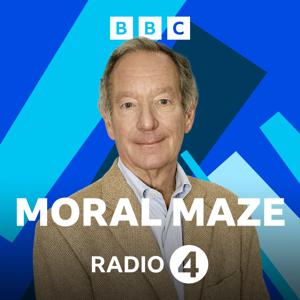

Discussion of the Tory leadership race has shifted from questions of policy to issues of personal morality. Given that most of the candidates have admitted – to a greater or lesser extent – snorting, smoking or supping illegal substances at some point in the past, how thunderously should they be condemned? Shouldn’t people running for high office be blasted for their past ‘indiscretions’? Isn’t it right that any person in a position of privilege and authority who has shown a contempt for the law should suffer the consequences? Or should we worry that our 21st century witch-finders have developed an unhealthy obsession with ‘offence archaeology’ – the diligent digging-up of an historic misdemeanour and using it as a basis upon which to judge a person’s entire character? It’s been asserted that even worse than the crime itself is the sin of hypocrisy. An article from 1999 has been republished in which Michael Gove criticised "middle class professionals" who took drugs, at the same time that he himself was taking cocaine. He has defended himself against headlines calling him a hypocrite, saying: “If any of us lapse sometimes from standards that we uphold, that is human.” Hypocrisy is an easy accusation to hurl but a tricky sin to understand - La Rochefoucauld famously called it “a tribute vice pays to virtue". Our own moral boundaries are so often flexible, yet psychologists suggest we’re less inclined to give others the ethical wiggle room we might afford ourselves. So should we have more humility to look inward before judging others? Or is it a moral cop-out simply to say, “Let the person who is without sin cast the first stone”?
Producer: Dan Tierney
 View all episodes
 By BBC Radio 4

4.6
5151 ratings
Discussion of the Tory leadership race has shifted from questions of policy to issues of personal morality. Given that most of the candidates have admitted – to a greater or lesser extent – snorting, smoking or supping illegal substances at some point in the past, how thunderously should they be condemned? Shouldn’t people running for high office be blasted for their past ‘indiscretions’? Isn’t it right that any person in a position of privilege and authority who has shown a contempt for the law should suffer the consequences? Or should we worry that our 21st century witch-finders have developed an unhealthy obsession with ‘offence archaeology’ – the diligent digging-up of an historic misdemeanour and using it as a basis upon which to judge a person’s entire character? It’s been asserted that even worse than the crime itself is the sin of hypocrisy. An article from 1999 has been republished in which Michael Gove criticised "middle class professionals" who took drugs, at the same time that he himself was taking cocaine. He has defended himself against headlines calling him a hypocrite, saying: “If any of us lapse sometimes from standards that we uphold, that is human.” Hypocrisy is an easy accusation to hurl but a tricky sin to understand - La Rochefoucauld famously called it “a tribute vice pays to virtue". Our own moral boundaries are so often flexible, yet psychologists suggest we’re less inclined to give others the ethical wiggle room we might afford ourselves. So should we have more humility to look inward before judging others? Or is it a moral cop-out simply to say, “Let the person who is without sin cast the first stone”?
Producer: Dan Tierney

7,913 Listeners

863 Listeners

1,067 Listeners

159 Listeners

5,576 Listeners

1,808 Listeners

1,729 Listeners

1,018 Listeners
2,113 Listeners

1,952 Listeners
32 Listeners
38 Listeners

428 Listeners

159 Listeners
43 Listeners
75 Listeners
108 Listeners

745 Listeners

3,245 Listeners

779 Listeners
1,010 Listeners
3,858 Listeners

1,314 Listeners
851 Listeners
48 Listeners