
Sign up to save your podcasts
Or

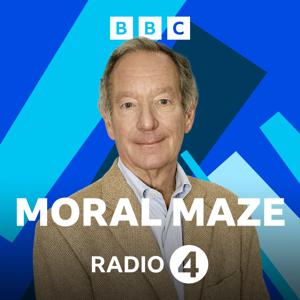

Comedy is a serious business, as Jo Brand discovered when she made a joke about throwing battery acid at politicians. The police have now dropped their investigation into her and she has not been sacked by the BBC – unlike Danny Baker after his apparently ‘racist’ tweet last month. Guardians of free speech worry about the policing of humour and the erosion of the right to offend. Yet we live in politically-febrile times and a joke may provoke more than mere amusement or even offence. Jokes can be deemed to trivialise political violence, encourage hatred and excuse rape. With that in mind, do comedians have a social responsibility to rein themselves in, even if they believe they’re ‘punching up’, not ‘punching down’? Or should they follow their comedic instinct when it’s telling them to let rip? After all, humour is by nature subversive and, from Martin Luther to Mock The Week, it has always been an important part of political discourse. Beyond politics, where should we draw the line on funny lines? It could be argued that a joke becomes unacceptable when it dehumanises minorities or incites violence. Yet aren’t these criteria themselves subjective? Context and tone are everything in comedy but they’re fiendishly difficult to define. Does it matter that the intent behind a gag is benign if the consequences of telling it are harmful?
Producer: Dan Tierney
 View all episodes
 By BBC Radio 4

4.6
5151 ratings
Comedy is a serious business, as Jo Brand discovered when she made a joke about throwing battery acid at politicians. The police have now dropped their investigation into her and she has not been sacked by the BBC – unlike Danny Baker after his apparently ‘racist’ tweet last month. Guardians of free speech worry about the policing of humour and the erosion of the right to offend. Yet we live in politically-febrile times and a joke may provoke more than mere amusement or even offence. Jokes can be deemed to trivialise political violence, encourage hatred and excuse rape. With that in mind, do comedians have a social responsibility to rein themselves in, even if they believe they’re ‘punching up’, not ‘punching down’? Or should they follow their comedic instinct when it’s telling them to let rip? After all, humour is by nature subversive and, from Martin Luther to Mock The Week, it has always been an important part of political discourse. Beyond politics, where should we draw the line on funny lines? It could be argued that a joke becomes unacceptable when it dehumanises minorities or incites violence. Yet aren’t these criteria themselves subjective? Context and tone are everything in comedy but they’re fiendishly difficult to define. Does it matter that the intent behind a gag is benign if the consequences of telling it are harmful?
Producer: Dan Tierney

7,913 Listeners
863 Listeners

1,067 Listeners
159 Listeners

5,576 Listeners

1,808 Listeners

1,729 Listeners

1,018 Listeners
2,113 Listeners
1,952 Listeners
32 Listeners
38 Listeners
428 Listeners
159 Listeners
43 Listeners
75 Listeners
108 Listeners
745 Listeners

3,245 Listeners
779 Listeners
1,010 Listeners
3,858 Listeners

1,314 Listeners
851 Listeners
48 Listeners