
Sign up to save your podcasts
Or

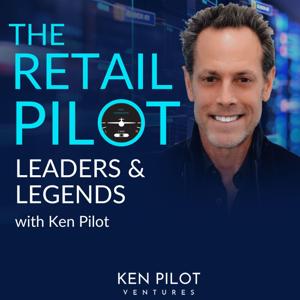


Ken interviews Matt Mueller, Founder and CEO of Knot Standard, the leader in premium custom menswear in the United States. Matt has been one of the most pivotal figures behind tech innovation in menswear over the last decade, creating the unique, AI-powered Style Wall and Fit App for Knot Standard, and holding numerous other patents. He has a 25-year record in global business and technology, having worked with firms such as the Advisory Board Company, Gannett, Harvard, and Dubai Holding. Beyond his professional successes, Matt is the extremely proud father of his five young children, and holds a degree in Finance from the McIntire School of Commerce at the University of Virginia where he is also a Guest Lecturer. When he is not simultaneously working on Knot Standard or advising new startups, Matt and his family enjoy traveling around the globe.
Key Takeaways of the Podcast Include:
1. Matt, the CEO of Kot Standard, is a pioneer in tech innovation for menswear. He has over 25 years of experience in global business and technology, and has played a pivotal role in developing AI-powered style solutions for menswear.
2. Kot Standard started as an online-only custom clothing brand based in Dubai. They focused on providing confidence through well-fitting, custom-made clothing. Over time, they expanded their offerings and entered the brick-and-mortar space with successful store openings.
3. Technology has been a crucial component of Knot Standard's success. They developed in-house measuring apps and integrated ordering and supply chain systems, which enabled them to efficiently produce custom clothing without the need for extensive inventory.
4. During the COVID-19 pandemic, Knot Standard introduced virtual appointments, which turned out to be a critical move for their survival. These virtual appointments, along with their technology-driven approach, allowed them to adapt and thrive in a challenging retail landscape.
5. Knot Standard's innovative business model is now being extended to partnerships with established brands. They have partnered with retailers like Brooks Brothers and Nordstrom, leveraging their technology to offer custom clothing solutions within existing stores. This approach minimizes inventory risks and provides a new revenue stream for the partner brands.
6. Knot Standard is exploring international expansion, considering opportunities in global markets. They believe that their technology-driven, custom clothing platform can be successfully replicated in various regions around the world.
7. Business Growth: In the last 18 months, Knot Standard has experienced significant growth, particularly with partnerships like Nordstrom and Brooks Brothers. They now cover about $25 million in annual orders, with half of that coming from their online platform and the other half from physical stores.
8. Revenue Sources: Approximately 25% of Knot Standard's revenue comes from software and wholesale installations. This is a significant portion of their overall business, and it is expected to grow in the coming years.
9. Store Performance: Knot Standard's own stores have been performing exceptionally well, with an average four-wall EBITDA of 32%. This is significantly higher than industry averages, indicating the success of their approach to retail.
10. Funding and Investment: Knot Standard has raised approximately $35 million in funding to support their growth. Their lead investor is a group called Provenance, which recognized the value of the brand's loyal customer base and high-end purchase behavior.
11. Competition and Differentiation: Knot Standard sees its competition as not just ot...
On Episode 30 of The Retail Pilot, Ken Pilot interviews Stephen Kuhl, Co-Founder and CEO of Burrow, a furniture design brand that’s making it radically easier for people to feel at home through innovative, award winning, furniture and unparalleled customer experience. Launched in 2017, Burrow is one of the fastest growing furniture brands in the world and has raised venture capital from leading venture firms including New Enterprise Associates, Y Combinator, Parkway VC, and Red & Blue Ventures. Mr. Kuhl is an investor and advisor to several startups including Commerce Bear, Suite Plants, and Desk View. Prior to Burrow, Mr. Kuhl was a growth investor at Commonfund Capital and worked in Accenture’s Global Strategy group, specializing in operating model design. Mr. Kuhl earned a B.S. with honors from Cornell University and an M.B.A. from The Wharton School at the University of Pennsylvania.
1. Inception of Burrow: Stephen Kuhl, the CEO and co-founder of Burrow, shared how the idea for the company originated during an entrepreneurship class at Wharton. The inspiration came from the success of mattress-in-a-box companies like Casper, and the vision was to apply a similar concept to furniture.
2. Revolutionizing Furniture Retail: Burrow's innovative approach involves modular, easy-to-ship furniture that can be assembled without the need for tools. This concept was developed strategically to optimize the supply chain for e-commerce, allowing for quick delivery and a wide range of customizable options.
3. Strategic Branding with Red Antler: Kuhl highlighted the importance of branding in communicating Burrow's value proposition. The company collaborated with Red Antler for naming, visual identity, and storytelling, which played a crucial role in establishing Burrow as a distinctive D2C furniture brand.
4. Business Growth and Model: Burrow has seen significant growth, with over 100 million in top-line sales. The company's primary focus is direct-to-consumer sales, with about 90% of their business conducted online. They also operate showrooms where customers can experience the products in person.
5. Competing with Established Brands: Burrow competes directly with well-known brands like West Elm and Crate and Barrel. The key differentiators for Burrow are the quality, durability, convenience, and speed of delivery they offer compared to their competitors in a similar price range.
6. Transition to Sole CEO: Stephen Kuhl discusses the transition from being co-CEO with Kabir to becoming the sole CEO of their company, Burrow. He explains that early on, they were co-CEOs, but Y Combinator advised against it, leading them to drop the title and become co-founders. Ultimately, they decided on their roles, with Stephen as the CEO and Kabir as the CTO.
7. Importance of Co-Founders: Kuhl emphasizes the significance of the co-founder role, stating that no matter the titles, they both remained co-founders, and the success of the company depended on both.
8. Tech Stack and SaaS Tools: Kuhl shares some details about their tech stack, mentioning that they use BigCommerce for their e-commerce site and NetSuite for ERP. He highlights the importance of leveraging technology throughout their business, including marketing technology, and the potential role of AI in future marketing.
9. Marketing Strategies: The discussion touches on the challenges of marketing, particularly in the post-iOS changes era. Kuhl talks about diversifying their marketing channels, adapting to platforms like Instagram, TikTok, and Reels, and exploring content that resonates with their target audience.
10. Path to Profitability: Kuhl talks about Burrow's path to profitability, mentioning that they achieved profitability...
1. Todd Snyder's Background: Todd Snyder, a retail designer, grew up in Ames, Iowa, with a background in business. Despite his unconventional path, his passion for clothes and fashion ultimately led him to pursue a career in design.
2. Early Fashion Influences: During his high school years, Todd admired designers such as Calvin Klein, Ralph Lauren, and Armani. However, as he transitioned into college and began working in retail (particularly selling Ralph Lauren's Polo clothing), his admiration for Ralph Lauren's work grew, solidifying his aspiration to become a designer.
3. Early Retail Experience: Todd gained valuable experience in the retail industry, working at various stores in Iowa, including Yonkers and The Buckle. He also worked in a store called Bedowers, where he not only sold menswear but also worked in the tailor shop, sparking his interest in the process of creating clothing.
4. Internship at Ralph Lauren: Todd's first significant step into the fashion industry was through an internship at Ralph Lauren. As an intern, he took on various tasks, ranging from fetching coffee to organizing the closet. This experience allowed him to make a positive impression and eventually led to freelance opportunities with the company.
5. Transition to J.Crew: In 1993, Todd transitioned to J.Crew, a pivotal time for the company's growth. While at J.Crew, he contributed to the development and expansion of the business.
6. Challenges of Running a Business Solo: Todd shares the difficulties he faced while self-funding his business, highlighting the limitations of personal credit and the need for external investment. He reflects on the pivotal moment when American Eagle approached him, providing an opportunity for growth.
7. Transition from Wholesale to Direct-to-Consumer: Todd discusses the evolution of his business model, emphasizing the shift from primarily wholesaling to being almost entirely direct-to-consumer. He explains the challenges he faced with wholesale, such as differing seasonal schedules and SEO competition, and the benefits of focusing on direct customer engagement.
8. Diverse Product Assortment and Customer Segmentation: Todd emphasizes his commitment to offering a wide range of products, from sweatshirts to tuxedos, to create a one-stop shopping experience for men. He also shares insights on customer segmentation and the importance of effectively managing a growing customer base.
9. Marketing Strategies: Todd discusses the various marketing channels he utilizes, including influencer collaborations, affiliate partnerships, and social media advertising. He highlights the shift towards mobile-focused advertising and the challenges posed by recent iOS changes
10. Embracing Technology for Customer Engagement: Todd reveals his interest in implementing AI-driven tools to enhance customer experience. He expresses the importance of using technology, like CRM systems and AI, to predict and cater to customer preferences, providing a personalized shopping experience.
Hosted on Ausha. See ausha.co/privacy-policy for more information.
Ken Pilot interviews Sheryl Clark, CEO & President of Boston Proper, a best-kept secret for women over 40, designing unique, on-trend, high-quality fashion for every occasion. Sheryl’s experience includes time at Bloomingdales, Gap and Old Navy prior to joining Boston Proper.
Key highlights of the interview are:
Hosted on Ausha. See ausha.co/privacy-policy for more information.
Ken Pilot interviews Alex and Mike Faherty, co-founders and leaders of eponymous apparel brand, Faherty for this episode of The Retail Pilot.
Alex is a co-founder and CEO at Faherty. Prior to starting at Faherty, Alex spent over a decade in Investment Banking and Private Equity. Formerly a football player at Yale, Alex takes a coaching mentality in how he runs the business, knowing that so much of a brand's success is who makes up the team. When he has time, and isn't coaching T-ball, he likes to surf.
Mike wrote his college essay about starting Faherty Brand, going on to major in Fashion Design at Washington University in St. Louis before spending a decade in New York’s fashion industry. His passion is sourcing high-quality fabrics from around the world and developing innovative new ones himself. Mike loves playing basketball and finding off-the-beaten-track surf spots and restaurants.
Key Highlights:
1. Faherty has had a successful business with Australian tourists in the States, as the brand resonates well with English-speaking customers. They're planning to expand further, starting with a partner in Australia.
2. Retail store growth is seen as a valuable way to capture customers, as it allows them to experience the brand in person and make a more significant commitment to the higher-priced products.
3. The founders emphasize the authenticity of retail stores, as customers can't be deceived by appearances, and they have to genuinely like the products.
4. Faherty is focused on finding unique, interesting locations for its retail stores, rather than following a cookie-cutter approach. They look for underserved areas with potential customers.
5. Catalogs have been an important acquisition channel for Faherty since 2015. They are looking to evolve the catalog experience to stand out and feel more like a magazine or coffee table book.
6. Faherty is shifting its approach to social media, aiming to create platform-specific content for various channels. They recognize the need to adapt to changing social media trends.
7. The founders discuss their tech stack, highlighting platforms like Shopify for e-commerce and New Store for POS. They also use NetSuite for ERP and have implemented in-house tech solutions for design and development.
8. Faherty is exploring how AI can enhance the customer experience, especially in terms of managing inbound and outbound communications efficiently.
9. One of the challenges for Faherty is ensuring that as the brand grows, it still feels intimate and special to consumers, rather than becoming too corporate or generic.
10. Mike emphasizes the importance of refining the sampling process using AI to ensure that only the most promising designs move forward, reducing sample expenses.
Hosted on Ausha. See ausha.co/privacy-policy for more information.
Ken Pilot interviews Jan Singer about her incredible career as a Retail and Fashion leader and Board Member.
Diverse Journey in Retail and Fashion: Jan Singer's career journey spans across various categories of business, not limited to retail. She's worked in luxury goods, beauty, and manufacturing for brands like Chanel, Calvin Klein, Prada, and Nike. Her experiences ranged from innovation to manufacturing and wholesaling.
Initiating Career at Chanel: Jan shared an interesting story about how she found a phone number for Chanel, called in, and ended up speaking with the president, which ultimately led to her landing a job at Chanel.
Challenging and Rewarding Leadership Roles: Jan believes that every job she's had has been challenging, and she's always been open to pushing herself to learn and grow. She mentioned navigating the 08 crisis at Nike as one of the most challenging moments. Additionally, running global footwear and apparel at Nike was a masterclass in leadership.
Qualities as a Leader: Jan emphasized the importance of generous leadership, being an energy giver, and leading with optimism. She also talked about the value of being an enterprise leader, making complicated things simple and repeatable, and considering the broader perspective beyond her own space.
Approach to Shaping Leadership Teams: Jan's approach to building a leadership team involves deep curiosity about why she's being brought in, understanding the problems the team is facing, and finding the critical few things that will make a difference. She values competency, chemistry, and balance in her teams, and is open to both internal and external talent.
Dynamic Nature of Retail: Jan Singer highlights the dynamic nature of the retail industry. She emphasizes that no single company has everything figured out, and various aspects like channel dynamics, wholesale, direct-to-consumer, and digital interactions are constantly evolving.
The Importance of Physical Stores: Jan Singer believes that stores are not dead; instead, they are evolving. She expresses her belief in the value of real estate, mentioning that stores are still crucial, but they might have shifted from malls to Main Street or open-air formats.
Retail as Therapy: Jan Singer sees retail as a form of therapy for consumers. She believes that the engagement with shopkeepers, store staff, or online customer service fulfills a human need for connection and interaction. People shop for various reasons, and it can be a positive and uplifting experience.
The Significance of Knowing the Consumer: Jan Singer emphasizes the importance of brands truly knowing their consumers. She mentions brands like Gucci that excel at understanding their customers' preferences and providing personalized services, whether through in-store interactions or online communications.
Technology and the Future of Leadership: The discussion touches on the evolving role of CEOs in the retail industry. Jan Singer suggests that the skills required today may be so diverse that a single CEO might not be sufficient. She speculates about the possibility of a collaborative leadership structure involving operations, technology, and product leadership
Overall, Jan Singer provides valuable insights into the retail industry, highlighting the need for adaptability, personalized experiences, and a balanced approach to leadership in today's rapidly changing landscape.
Hosted on Ausha. See ausha.co/privacy-policy for more information.
Join Ken Pilot as he speaks with Co-Founder and CEO of Rhone, Nate Checketts, about his menswear business focused on fitness, comfort and everyday wear.
Prior to Rhone, Nate worked for and consulted with some of the biggesttechnology and entertainment properties in the world including Cisco, The NationalFootball League, Legends, FanVision and Sport Radar. Nate is also an avid entrepreneur who founded and launched 4companies before the age of 30, including Rhone and Mangia Technologies, whose patents were later acquired by the San Francisco 49ers. In 2020 Nate was selected by the Sports Business Journal to their 2020 list of Forty leaders under Forty.
In addition to Rhone, Nate also serves as Chairman of the Board to Beyond Type 1, a non-profit dedicated to the community of those with Type 1 Diabetes. Nate graduated from Brigham Young University with a BA in Finance. He and his wife Dayna reside in Connecticut with their three young boys, Gabriel, William and Nicholas.
About Rhone was founded in 2014 by brothers Nate & Ben Checketts. Rhone is a premium men's wellness brand that creates best in class performance-driven apparel that is engineered for an active lifestyle. Rhone is dedicated to using their platform and products to address and discuss the complex issues that modern men face. From raising awareness around the mental health crisis, to building mutually supportive communities, to providing men with practical tools and resources to navigate relationships, Rhone seeks to support men while providing them with versatileclothing for every aspect of their daily routine. Currently, Rhone has more than ten retail stores across the U.S., all of which are used for building community through various initiatives such as the brand's signature Mind & Muscleevents. Rhone is also sold in all Equinox locations, and available nationwide at Nordstrom, Bloomingdale’s, Dillard’s, SCHEELS, select CorePower Yoga locations, and more than 350 gyms and specialty stores across the country. Rhone is also a proud partner of Stitch Fix. More information can be found at www.Rhone.com.
Key Highlights Include:
Rhone's Origin and Vision: Rhone, a men's performance lifestyle brand, was founded with a vision to fill a void in the men's fashion space. The founders, including Nate Checketts and his brother Ben, aimed to create a brand that offered high-quality, versatile, and high-performance clothing that could be worn in various settings, blurring the lines between work and leisure attire.
Balancing Family and Business: Nate and his brother Ben, along with their brother-in-law, founded Rhone as a family venture. They emphasize that working together as a family has been a positive experience, and Ben's interest in clothing design complemented Nate's entrepreneurial background.
Omni-Channel Approach: While Rhone began as an e-commerce brand, it recognized the importance of an omni-channel approach. They expanded into physical retail stores, selecting high-end partners like Equinox to offer their products. This strategic move allowed them to meet customers where they were and helped them gain recognition in the market.
Retail Expansion and Profitability: Rhone currently operates 15 retail stores, and they prioritize profitability over rapid expansion. They are careful in selecting wholesale partners, ensuring that the brand is represented appropriately. All of their stores are profitable, which has provided a strong foundation for future growth.
Future Growth and Product Expansion: Rhone is exploring opportunities for growth, including potential expansion into the international market. They are also considering product line extensions, including potentially re-entering the women's market. However, their primary focus remains on delivering exceptional...
In this Flight of The Retail Pilot - Leaders & Legends, Ken speaks with Sharon Leite, CEO of Ideal Image, former CEO of The Vitamin Shoppe and Retail Leader at companies such as Gap, Bath and Body Works and Pier 1.
Key Takeaways of the Episode:
* Passion and Connection to Mission: Sharon emphasizes that passion for the business, brand, product, and mission is more important than monetary compensation. Connecting personally with your work is crucial for long-term success.
* Career Stages and Growth: Sharon's career evolved through three distinct stages: learning the business and consumer experience, turning around businesses, and applying her knowledge to legacy brands. Each stage contributed to her growth and success.
* Due Diligence and Understanding: Sharon learned the importance of thorough due diligence when considering new opportunities. Understanding the company, industry, and board's vision is essential for a successful and fulfilling career.
* Surrounding Yourself with the Right Team: Building a team that shares the vision and understands what excellence looks like is crucial, especially in situations requiring rapid change or turnaround. Having the right people in the right roles accelerates progress.
* Transforming a Business: Sharon's experience at the Vitamin Shoppe highlights the significance of rebranding, understanding the customer, telling compelling stories, and aligning with industry experts. This transformation ultimately led to success despite the challenges presented by COVID-19.
* Adaptation during COVID-19: The Vitamin Shoppe faced challenges during the COVID-19 pandemic. She had to fight to reopen their stores, and what allowed her to do so was a focus on selling essential items like food, functional foods, and water.
* Preparation paid off: Before the pandemic, the company had made strategic investments in e-commerce, technology, and loyalty programs. This preparation proved crucial, as they didn't have to scramble to implement services like online pickup, curbside pickup, etc., when COVID-19 hit. This readiness accelerated their growth during the pandemic.
* Leadership through presence and celebration: Sharon emphasized the importance of showing up, especially during tough times. She visited distribution centers, stores, and events, creating a celebratory environment within the company. This approach helped foster a sense of appreciation and connectedness among the team.
* Transition from public to private company: Sharon’s company transitioned from being a public to a private company. This move allowed her to focus on long-term business improvements without being beholden to short-term investor expectations.
* Reimagining Ideal Image: Recently, Sharon transitioned to a new company, Ideal Image, with the goal of building a comprehensive women's lifestyle brand in beauty, health, and wellness. She plans to reimagine various aspects of the business, including services, culture, products, and market leadership. She also hinted at a potential move into health and wellness.
Hosted on Ausha. See ausha.co/privacy-policy for more information.
Throwing it back to the second episode of The Retail Pilot, join your host Ken Pilot, as he continues the conversation with Millard "Mickey" Drexler, Retail visionary and Chairman of Alex Mill.
Come along for the ride as Ken and Mickey chat more about Mickey's legendary career building brands and his legacy with leading companies such as Ann Taylor, Gap, Old Navy, J.Crew, Madewell and now Alex Mill.
If you enjoyed this episode of The Retail Pilot, please let us know by subscribing to our channel and giving us a 5 star rating on Spotify and Apple Podcasts!
Hosted on Ausha. See ausha.co/privacy-policy for more information.
Throwing it back to the debut episode of The Retail Pilot, join your host Ken Pilot, as he embarks on an inspiring conversation with none other than Millard "Mickey" Drexler, the visionary Chairman of Alex Mill.
Buckle up as Ken and Mickey delve into the riveting tales that have shaped Mickey's illustrious career, leaving an indelible mark on the retail landscape. From his groundbreaking endeavors at Ann Taylor, Gap, and Old Navy to his iconic stewardship at J.Crew, Madewell, and now Alex Mill, Mickey's story is a testament to innovation, perseverance, and unmatched expertise.
If you enjoyed this episode of The Retail Pilot, please let us know by subscribing to our channel and giving us a 5 star rating on Spotify and Apple Podcasts!
Hosted on Ausha. See ausha.co/privacy-policy for more information.
From the publisher's feed

1,969 Listeners

30,110 Listeners

2,999 Listeners

111,831 Listeners

56,387 Listeners
434 Listeners

6,604 Listeners

13,924 Listeners

57,597 Listeners

15,957 Listeners

2,784 Listeners

41,346 Listeners
44 Listeners
242 Listeners

12,418 Listeners