
Sign up to save your podcasts
Or



Tonight, we’ll read the first half to “The Story of the Herons,” from a collection titled Moonshine and Clover written by Laurence Housman and published in 1922. The second half will air in our next episode.
In addition to his fiction and poetry, Housman was a committed activist, championing both women’s suffrage and the acceptance of gay people in society. His work often blended lyrical language with a touch of moral allegory, reflecting his interest in social progress.
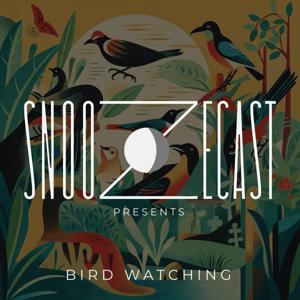
Herons, the birds at the center of tonight’s tale, are found on every continent except Antarctica. They are long-legged, long-necked, long-billed freshwater and coastal birds, and include egrets—distinguished mainly by their characteristic white plumage. While they bear a passing resemblance to storks and cranes, herons are easily recognized in flight by the way they tuck their necks back in an elegant S-curve rather than extending them straight out.
— read by 'V' —
Sign up for Snoozecast+ to get expanded, ad-free access by going to snoozecast.com/plus!
Learn more about your ad choices. Visit megaphone.fm/adchoices
See Privacy Policy at https://art19.com/privacy and California Privacy Notice at https://art19.com/privacy#do-not-sell-my-info.
 View all episodes
 By Snoozecast

4.5
13581,358 ratings
Tonight, we’ll read the first half to “The Story of the Herons,” from a collection titled Moonshine and Clover written by Laurence Housman and published in 1922. The second half will air in our next episode.
In addition to his fiction and poetry, Housman was a committed activist, championing both women’s suffrage and the acceptance of gay people in society. His work often blended lyrical language with a touch of moral allegory, reflecting his interest in social progress.
Herons, the birds at the center of tonight’s tale, are found on every continent except Antarctica. They are long-legged, long-necked, long-billed freshwater and coastal birds, and include egrets—distinguished mainly by their characteristic white plumage. While they bear a passing resemblance to storks and cranes, herons are easily recognized in flight by the way they tuck their necks back in an elegant S-curve rather than extending them straight out.
— read by 'V' —
Sign up for Snoozecast+ to get expanded, ad-free access by going to snoozecast.com/plus!
Learn more about your ad choices. Visit megaphone.fm/adchoices
See Privacy Policy at https://art19.com/privacy and California Privacy Notice at https://art19.com/privacy#do-not-sell-my-info.
1,276 Listeners
521 Listeners
919 Listeners

1,063 Listeners
1,475 Listeners
1,610 Listeners
359 Listeners
750 Listeners

3,390 Listeners

805 Listeners

617 Listeners
323 Listeners
77 Listeners

602 Listeners
19 Listeners
6 Listeners

3 Listeners
15 Listeners

2 Listeners
10 Listeners

20 Listeners
6 Listeners
1 Listeners
4 Listeners

3 Listeners
5 Listeners
8 Listeners
4 Listeners
0 Listeners
8 Listeners
0 Listeners