
Sign up to save your podcasts
Or

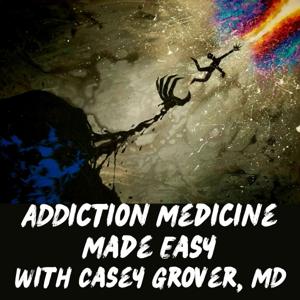

Dr. Casey Grover shares his personal struggle with food addiction and binge eating while exploring the science behind why certain foods trigger addictive behaviors in the brain. He examines how the food industry deliberately engineers products to maximize pleasure and consumption through carefully calibrated combinations of sugar, fat, and salt.
• Food addiction involves an intense dopamine response to certain foods that varies between individuals based on genetic predisposition
• The food industry uses "bliss point" science to make products as addictive as possible
• Ultra-processed foods make up over half the average American diet despite increasing risks of various diseases
• Eating disorders (anorexia, bulimia, binge eating) are mental health conditions where food behaviors are merely the symptoms
• Treatment options include SSRIs, topiramate, naltrexone/bupropion combinations, and potentially GLP-1 medications
• Weight loss surgery fails to address the underlying mental health aspects of food addiction
• Dr. Grover's personal experience with naltrexone showed how it made previously pleasurable foods taste "flat"
If you found this episode helpful, please consider supporting Central Coast Overdose Prevention (https://ccodp.org/) and the work we do to treat addiction and prevent overdoses. Together we can improve how addiction is treated and save lives.
To contact Dr. Grover: [email protected]
 View all episodes
 By Casey Grover, MD, FACEP, FASAM

4.9
5454 ratings
Dr. Casey Grover shares his personal struggle with food addiction and binge eating while exploring the science behind why certain foods trigger addictive behaviors in the brain. He examines how the food industry deliberately engineers products to maximize pleasure and consumption through carefully calibrated combinations of sugar, fat, and salt.
• Food addiction involves an intense dopamine response to certain foods that varies between individuals based on genetic predisposition
• The food industry uses "bliss point" science to make products as addictive as possible
• Ultra-processed foods make up over half the average American diet despite increasing risks of various diseases
• Eating disorders (anorexia, bulimia, binge eating) are mental health conditions where food behaviors are merely the symptoms
• Treatment options include SSRIs, topiramate, naltrexone/bupropion combinations, and potentially GLP-1 medications
• Weight loss surgery fails to address the underlying mental health aspects of food addiction
• Dr. Grover's personal experience with naltrexone showed how it made previously pleasurable foods taste "flat"
If you found this episode helpful, please consider supporting Central Coast Overdose Prevention (https://ccodp.org/) and the work we do to treat addiction and prevent overdoses. Together we can improve how addiction is treated and save lives.
To contact Dr. Grover: [email protected]

143 Listeners

262 Listeners

3,353 Listeners

156 Listeners
30 Listeners

1,339 Listeners

8,634 Listeners

286 Listeners

566 Listeners

313 Listeners

29,254 Listeners

41,514 Listeners
151 Listeners
31 Listeners
9 Listeners